Economic Strain: 30% of Americans Admit to Shoplifting Food and Essentials

A startling new poll from LendingTree highlights a growing trend of desperation in the U.S. economy, with 30% of adults admitting to shoplifting in 2026. Major retailers including Walmart, Amazon Fresh, Family Dollar, and Kroger have become primary targets as citizens struggle to afford basic necessities.
This surge from 24% just two years ago underscores the intensifying impact of affordability issues and systemic economic strain. As food insecurity rises, the increasing rate of theft serves as a grim indicator of the eroding purchasing power and the widening gap in consumer stability across the nation.
A recent survey by LendingTree reveals that Americans are increasingly turning to shoplifting due to mounting economic pressures. The data shows that 30% of U.S. adults admitted to stealing in 2026, primarily targeting food and essential goods to cope with affordability challenges.
Major retail giants such as Walmart, Amazon Fresh, Family Dollar, and Kroger are seeing a rise in these incidents. This figure marks a significant jump from 24% recorded two years prior, reflecting a continuous cycle of economic hardship that is fundamentally altering consumer behavior and retail security landscapes.
This is a summarized and adapted version by Artificial Intelligence. To read the complete original story, visit the official source.
Read Full Article at The Daily HodlSupport Jornal Bitcoin
Independent journalism, curated by AI, no clickbait. Keep the flame alive with any amount of BTC.
jonata@walletofsatoshi.comDaily Crypto Brief 📬
Subscribe to receive the curation of the most important Bitcoin and crypto news, summarized by AI. No spam.
Join more than 10,000 smart readers.
Related News
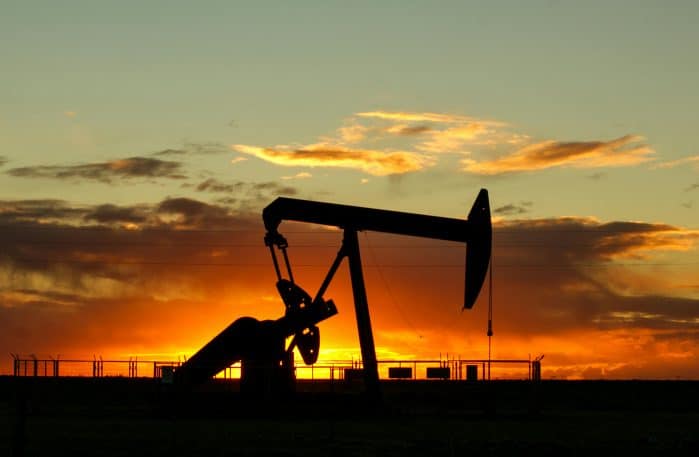
Oil Nears $100: Why Trump is Powerless to Stop the Price Surge
Market sentiment suggests that this rally is far from over, with significant probabilities of hitting new all-time highs by year-end. Analysts point to a 17.5% chance of record-breaking prices by December 31, signaling that the lack of effective influence from Trump could lead to sustained inflationary pressures and heightened market volatility.

Polymarket Surge: Gavin Newsom Leads 2028 Democratic Nominee Odds at 19.75%
This surge is closely tied to broader political discourse surrounding economic stability and affordability. As matched-topic chatter intensifies following a FOX poll that highlighted Republican struggles with economic messaging, the prediction market is effectively capturing the growing volatility and the shifting allegiances within the American electorate.
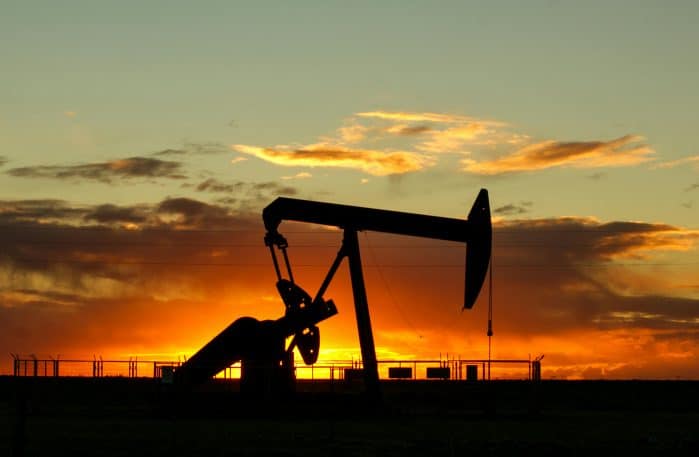
Iran Conflict Sends Diesel Prices Surging to $5.05, Threatening Food and Housing Costs
Market analysts warn that crude oil is on track to hit new highs by December 31, with a projected increase of 15.5%. This surge in energy costs, fueled by geopolitical instability, threatens to destabilize commodity markets and increase the cost of living worldwide.

Tech Exodus: Hedge Funds Slash US Tech Holdings at Fastest Pace in a Decade
The rapid liquidation of IT stocks indicates a strategic pivot away from high-growth tech valuations. As hedge funds reduce their tech holdings, the resulting liquidity shift could trigger broader market volatility and influence risk appetite in highly correlated sectors, including the digital asset space.

Massive Inflow: Foreign Investors Flood US Stock Market with $121 Billion in a Single Month
Data reveals that foreign private sector net purchases reached $35.2 billion in May alone, marking the second-largest monthly inflow on record. With year-to-date totals skyrocketing to $270 billion, this aggressive capital movement highlights a significant trend in global wealth reallocation toward US-based assets.

Trump Vows to Slash Consumer Prices: Do the Inflation Numbers Back Him Up?
While June's inflation data largely validates the downward trend in several key sectors, the economic reality remains nuanced. A notable spike in egg prices serves as a significant outlier, suggesting that while the broader inflation trend may be cooling, specific market volatilities continue to impact the average consumer's purchasing power.
