Criminal Liability for Crypto Asset Managers: What You Need to Know
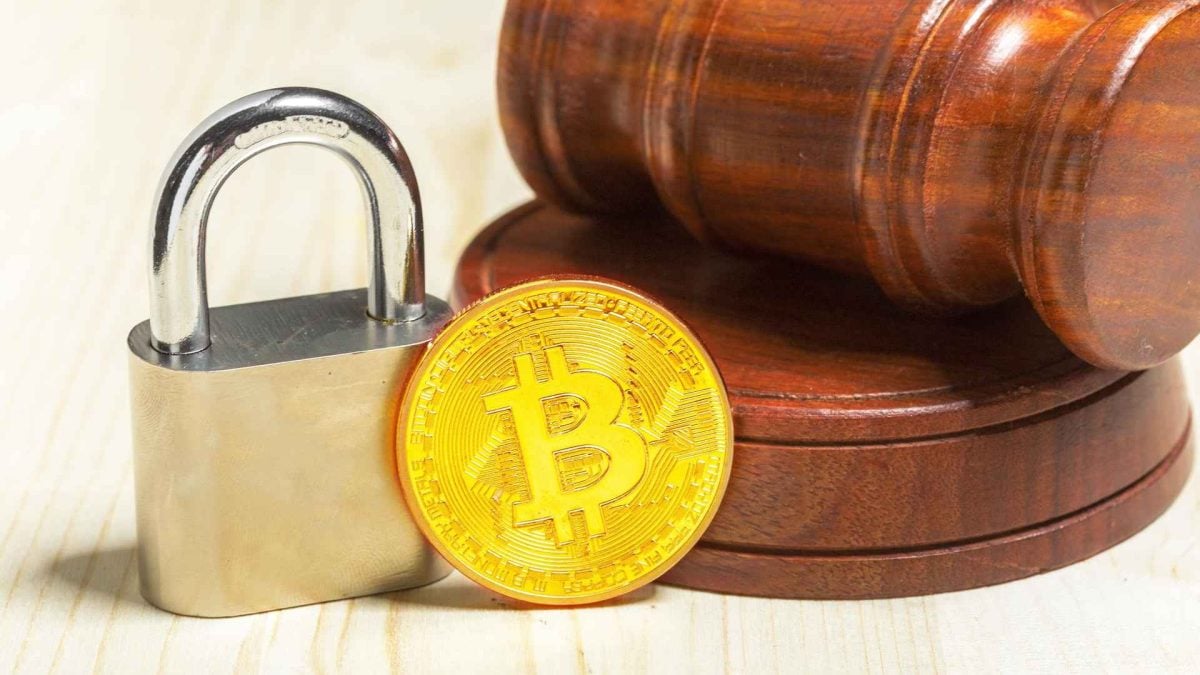
Controllers and administrators of Virtual Asset Service Providers face a new landscape of criminal liability, as discussed in an event promoted by ABToken. Legal experts warn about the criminal risks of being held accountable for omissions in the crypto asset sector, a topic gaining relevance with the increasing regulation of the market. The event, featuring criminal lawyer Marina Brecht and banking regulation specialist Paulo Portuguez, discusses the legal implications for PSAV managers. With the evolving regulation of the crypto asset market, understanding criminal responsibilities has become essential for sector professionals, directly impacting corporate governance and compliance.
This is a summarized and adapted version by Artificial Intelligence. To read the complete original story, visit the official source.
Read Full Article at LivecoinsSupport Jornal Bitcoin
Independent journalism, curated by AI, no clickbait. Keep the flame alive with any amount of BTC.
jonata@walletofsatoshi.comDaily Crypto Brief 📬
Subscribe to receive the curation of the most important Bitcoin and crypto news, summarized by AI. No spam.
Join more than 10,000 smart readers.
Related News
Hardware Wallet Firms Warn of Phishing Surge as Coldcard Losses Near $130M
This phishing wave represents a critical threat to crypto asset security, especially for those storing large sums in cold wallets. The blockchain security industry is working to mitigate the attack, but users are advised to always verify the authenticity of communications and websites before interacting with hardware wallet services.

South Africa Cracks Down on Cross-Border Crypto Transfers
The proposed regulations aim to enhance oversight and control over digital capital flows, potentially impacting the financial freedom of crypto users in South Africa. While authorities seek greater transparency and anti-money laundering measures, the country's crypto industry faces uncertainties about how to adapt to these new regulatory requirements.
Law Enforcement Claims CLARITY Act Helps Criminals. Crypto Industry Disagrees
The letter sent by sheriffs to Senate leadership represents an attempt to influence crypto legislation at a critical moment as Congress debates best practices for overseeing the DeFi ecosystem. The crypto industry argues that overly restrictive regulations could stifle innovation and push activities to less regulated jurisdictions, potentially increasing risks rather than reducing them.

Backpack Crushes xStocksFi in Tokenized Equity Volume Despite Holding Just 5% of Supply
The exponential growth of the tokenized equities market on Solana continues to attract global attention, with platforms like Backpack proving that operational efficiency can outweigh capital size. This milestone represents a turning point for the decentralized finance (DeFi) sector, where innovation and agility are outperforming traditional structures. Analysts predict this disruption trend will accelerate the adoption of tokenized assets across the broader crypto ecosystem, with significant implications for the future of digital finance.

Nigeria mandates crypto platforms to pay taxes in digital tokens

Block and Spotify Chiefs Lead the Charge in Proactive AI Governance
By focusing on internally developed solutions and agile strategies, the companies demonstrate forward-thinking approaches to navigate the complex AI regulatory landscape. This initiative not only safeguards their operations against future regulations but positions Block and Spotify as responsible pioneers in AI development, potentially influencing the entire industry toward safer and more transparent practices.
