Ethereum's EIP-8363 Staking Proposal Sparks Fierce Backlash Amid DeFi and Decentralization Concerns

Ethereum's proposed EIP-8363 staking overhaul, dubbed "Tapered Issuance Burn," has ignited one of the most heated debates over the network's economics since the Merge. The proposal aims to gradually reduce staking rewards as more Ether is locked to secure the network, eventually eliminating new protocol issuance entirely once 50% of ETH's supply is staked. Authored by Ethereum Foundation's Justin Drake and ETHCC co-founder Jerome de Tychey, the initiative argues that additional staking now provides diminishing security returns while disproportionately diluting holders who choose not to participate in staking.
The fierce backlash against EIP-8363 raises significant concerns about the future of DeFi, decentralization, and institutional adoption on Ethereum. Critics warn that this economic shift could discourage network participation, negatively impacting the DeFi ecosystem and potentially weakening long-term security. While proponents defend the need to adjust staking rewards to prevent excessive dilution, the debate underscores the complex tensions between security, decentralization, and adoption in proof-of-stake blockchains. The Ethereum community now faces the challenge of balancing these competing concerns as the network continues to evolve following its transition to proof-of-stake.
This is a summarized and adapted version by Artificial Intelligence. To read the complete original story, visit the official source.
Read Full Article at CoinTelegraphSupport Jornal Bitcoin
Independent journalism, curated by AI, no clickbait. Keep the flame alive with any amount of BTC.
jonata@walletofsatoshi.comDaily Crypto Brief 📬
Subscribe to receive the curation of the most important Bitcoin and crypto news, summarized by AI. No spam.
Join more than 10,000 smart readers.
Related News

OpenAI Fights Back: Publishes Evidence to Dismiss Apple's Trade Secret Lawsuit

BlackRock Targets Long-Term Investors for Meta Data Center Financing in Major AI Play
This initiative reflects a growing trend of financial institutions making long-term bets on digital infrastructure, with a focus on stability and sustainability. BlackRock and Meta are creating a new financing paradigm that could set the standard for future AI projects, positioning both players as leaders in the global tech race. The move is particularly significant at a time of volatility in traditional markets, highlighting the appeal of digital assets as a safe harbor for institutional capital.
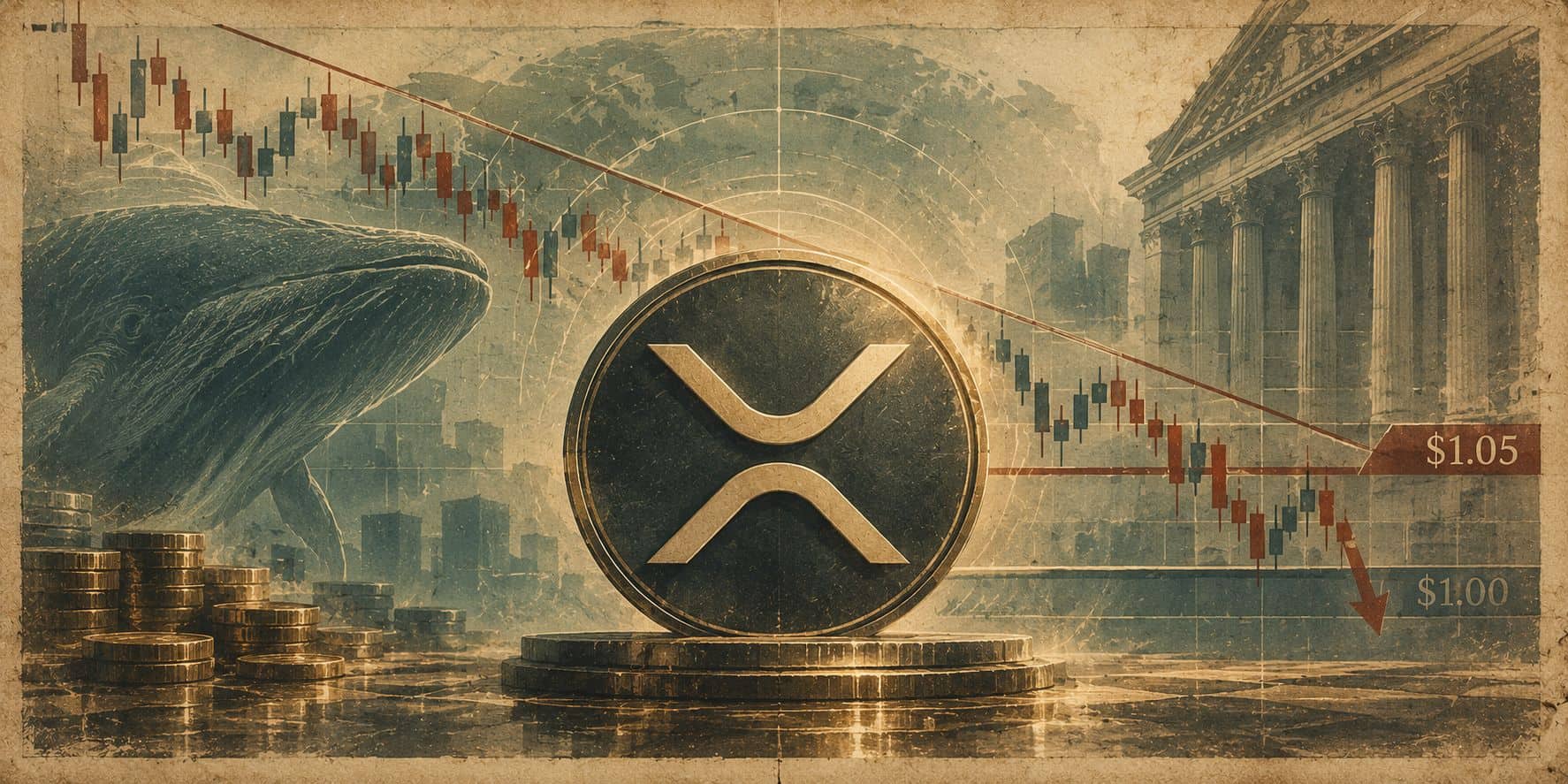
XRP Price Alert: Analysts Warn of Deeper Losses as $1.05 Support Turns Into Resistance
The support-to-resistance shift represents a concerning inflection point for XRP, suggesting potential further decline toward key psychological levels. Traders are monitoring volume indicators and Ripple Labs' movements, as any recovery will depend on breaking this new technical barrier. The current scenario reflects the inherent volatility of the cryptocurrency market and the sensitivity of digital assets to regulatory changes.
FTX's Survival Secret: The Senate-Rejected Law That Could Have Saved Crypto

US Senate delays crucial Clarity Act vote to September
The decision directly impacts the US cryptocurrency sector, which was eagerly awaiting regulatory clarity. The delay prolongs the period of uncertainty for investors and companies in the industry, while the Bitcoin market and other cryptocurrencies continue to wait in anticipation of regulatory guidelines that could shape the future of digital assets in the country.