Ukraine Counteroffensive Hits Critical Russian Drone Factories and Warehouses
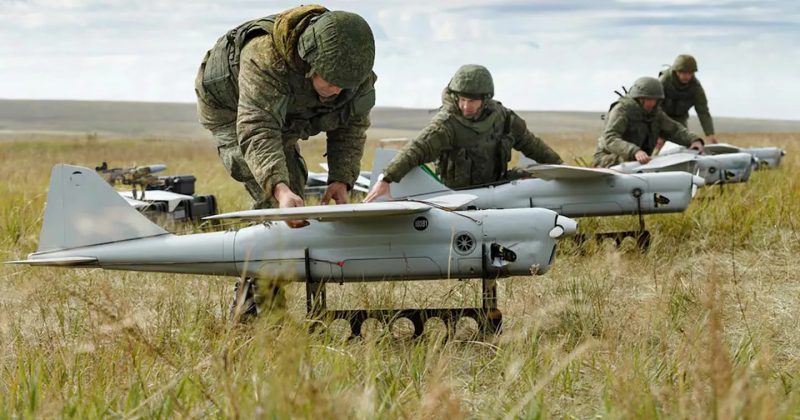
Ukraine has launched a series of high-impact strikes against Russian drone factories and military warehouses as part of a strategic counteroffensive. By targeting these specific production hubs, Ukraine aims to cripple the enemy's ability to deploy advanced unmanned aerial vehicles on the battlefield.
These tactical strikes represent a significant shift in the conflict's logistics, potentially slowing Russian military momentum. As the situation evolves, geopolitical analysts are closely monitoring the impact of these strikes alongside long-term projections regarding the Russian advance toward Sloviansk.
In a major escalation of its counteroffensive, Ukrainian forces have successfully struck Russian drone manufacturing facilities and logistics warehouses. The operation is designed to degrade Russia's capacity to produce and deploy drones, a key component of their current military strategy. Amidst these developments, uncertainty remains regarding the timeline of the Russian advance toward Sloviansk, with various projections circulating in the intelligence community.
This is a summarized and adapted version by Artificial Intelligence. To read the complete original story, visit the official source.
Read Full Article at Crypto BriefingSupport Jornal Bitcoin
Independent journalism, curated by AI, no clickbait. Keep the flame alive with any amount of BTC.
jonata@walletofsatoshi.comDaily Crypto Brief 📬
Subscribe to receive the curation of the most important Bitcoin and crypto news, summarized by AI. No spam.
Join more than 10,000 smart readers.
Related News

Geopolitical Crisis: US Soldier Killed in Iraq Triggers Trump's New Strikes on Iran
This military surge heightens global market uncertainty and fuels speculation regarding long-term regional stability. Market analysts are closely watching the 30.5% probability of a full-scale U.S. invasion of Iran before 2027, a factor that could trigger massive volatility across crypto and traditional finance sectors.
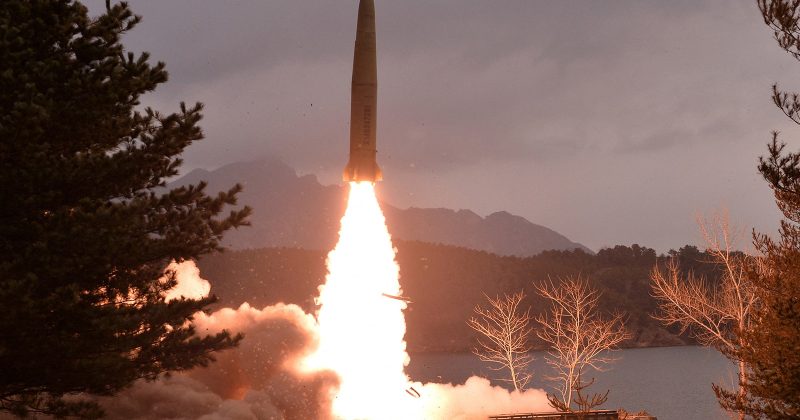
Middle East Tension: Iran Launches New Missile Wave as Crypto Markets Shrug Off Conflict
This divergence between geopolitical instability and digital asset pricing highlights a unique market sentiment. However, investors should remain cautious, as the escalating conflict poses significant risks to global liquidity and could trigger sudden volatility in the crypto market if the situation worsens.
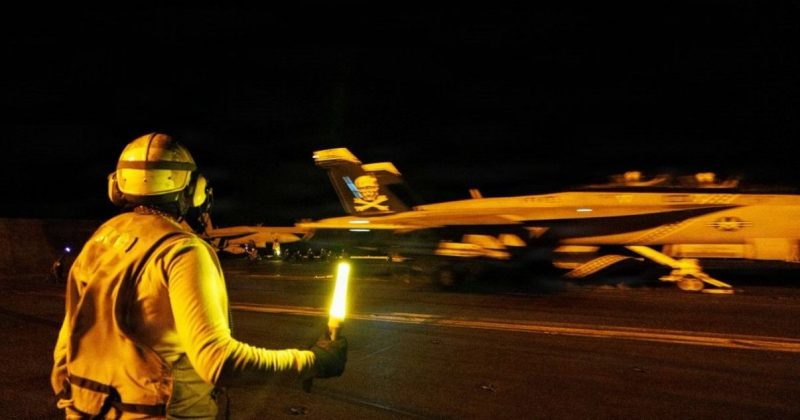
Strait of Hormuz Crisis Deepens: Why US Military Strikes on Iran Matter for Crypto Investors
Crypto investors must remain vigilant, as such high-stakes conflicts can drive investors toward Bitcoin as a hedge or cause sudden de-risking across all speculative assets. Understanding the connection between Middle East instability and digital asset volatility is crucial for navigating the current market landscape.

High Alert: Kuwait Activates Air Defenses Amid Iranian Drone Threat
As geopolitical instability rises, the potential for Iranian military action against a Gulf state remains a significant macro risk. For the crypto market, such regional conflicts often act as catalysts for sudden volatility, forcing traders to reassess risk profiles in light of potential disruptions to global energy supplies and traditional financial corridors.

Polymarket Odds Hit 53.5% for U.S. Halt of Iran Offensive Ops by August 31
The geopolitical landscape has darkened following the collapse of peace talks, leading to an escalation in drone and missile strikes. With the U.S. military confirming a new casualty, bringing the total death toll to 17 American service members, the risk of a broader regional conflict continues to weigh heavily on global stability and market sentiment.
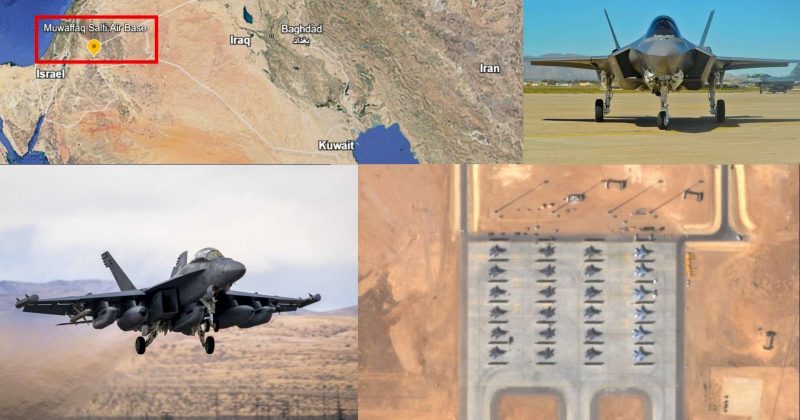
War Escalation: Three US Soldiers Killed in Iranian Missile and Drone Strikes
As retaliatory strikes loom, the broader impact on global markets and crypto volatility cannot be ignored. Investors are closely watching how this heightened military tension will influence risk appetite and the movement of Bitcoin amidst the growing uncertainty in the Middle East.
