FIFA Faces No-Confidence Vote as Regional Powerhouses Target Infantino
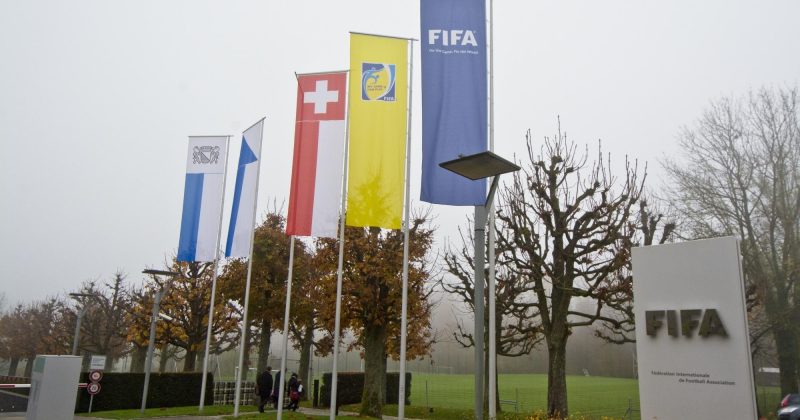
FIFA's leadership faces a critical no-confidence vote as regional powerhouses unite against President Gianni Infantino, threatening to reshape the organization's governance structure and global soccer's power dynamics. This unprecedented political challenge to Infantino's authority signals a potential turning point in how world football's governing body operates and makes decisions.
The brewing crisis reflects growing tensions between FIFA's centralized leadership and regional confederations seeking greater autonomy and influence. Sports governance experts are closely monitoring how this power struggle could set precedents for transparency, accountability, and power distribution within FIFA and potentially influence other international sports organizations facing similar challenges.
This is a summarized and adapted version by Artificial Intelligence. To read the complete original story, visit the official source.
Read Full Article at Crypto BriefingSupport Jornal Bitcoin
Independent journalism, curated by AI, no clickbait. Keep the flame alive with any amount of BTC.
jonata@walletofsatoshi.comDaily Crypto Brief 📬
Subscribe to receive the curation of the most important Bitcoin and crypto news, summarized by AI. No spam.
Join more than 10,000 smart readers.
Related News
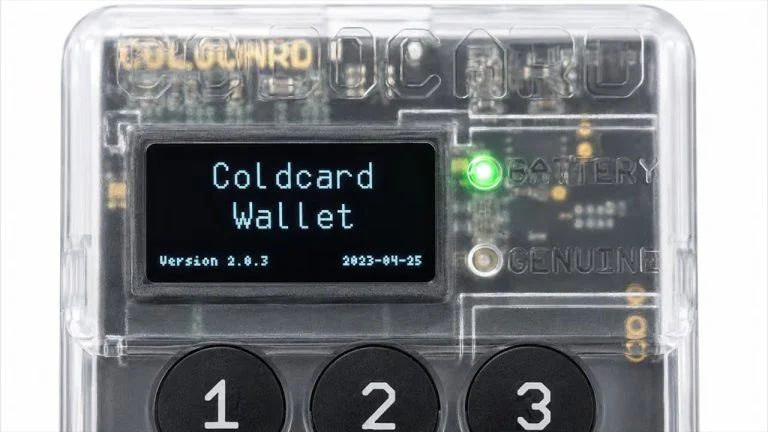
How Bitcoin Hardware Wallets Saved Users During the Coldcard Crisis: The Winners and Losers
This crisis serves as a crucial test for the Bitcoin wallet industry, highlighting the vital importance of transparency and agile support during emergencies. While some manufacturers maintained clear and constant communication, others left users in the dark, potentially putting their digital assets at risk. The study offers valuable lessons for investors and enthusiasts on how to choose a hardware wallet that not only protects your bitcoins but also provides support when needed most.
Securitize and Neuberger Berman Bring Tokenized HINC Fund to Sui - Major Leap for Digital Assets
The integration of the HINC fund on the Sui blockchain offers significant benefits for investors, including faster transfers, reduced costs, and increased transparency. This move further strengthens Sui's position as a preferred blockchain platform for financial institutions, while accelerating the adoption of tokenized assets in the global market. The collaboration between these two industry giants signals a growing trend of convergence between traditional finance and decentralized technology.
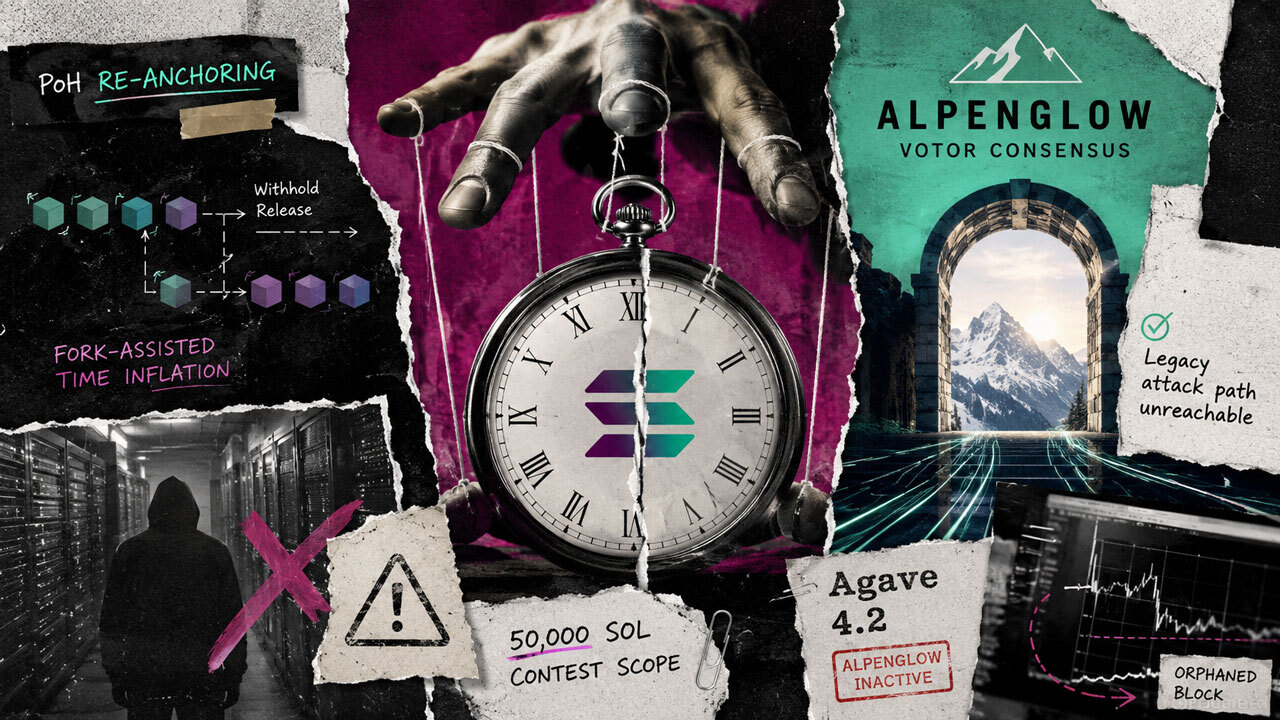
Major Security Flaw: Solana's $50,000 Bug Bounty Ignores Known Clock Attack
Coldcard Failure: Critical Lesson About Bitcoin Software Incentives
This fundamental lesson about Bitcoin software incentives highlights the importance of the four essential freedoms defined by the Free Software Foundation and the Open Source Initiative's criteria. Licenses that withhold commercial rights, such as MIT plus Commons Clause, drastically reduce the pool of code reviewers and shift the security burden back onto the vendor, risking user security and overall trust in the Bitcoin ecosystem.
Tokenized Deposits: Banks Move Traditional Funds Onto Blockchain
Tokenized deposits are creating new pathways for institutional crypto adoption, allowing portfolio managers to offer hybrid products that combine the best of both worlds. With permissioned systems, institutions maintain full control over their digital assets while leveraging the efficiency and transparency of blockchain technology. This movement is accelerating the convergence between traditional finance and the digital economy, paving the way for a new era of regulated, decentralized financial services that bridge traditional and digital asset management.
Future of Finance: $700M Real-World Assets Flood Solana for Tokenized Equities
This trend of real-world asset tokenization on Solana is accelerating the transformation of global financial markets, offering enhanced liquidity, transparency, and efficiency. As more capital flows into the Solana ecosystem for tokenized equities, we may witness a fundamental restructuring of how assets are traded, managed, and regulated, positioning blockchain as an essential backbone of the future financial system.
