Major Blow to Fed: US Congress Reaches Deal to Ban CBDC Until 2030
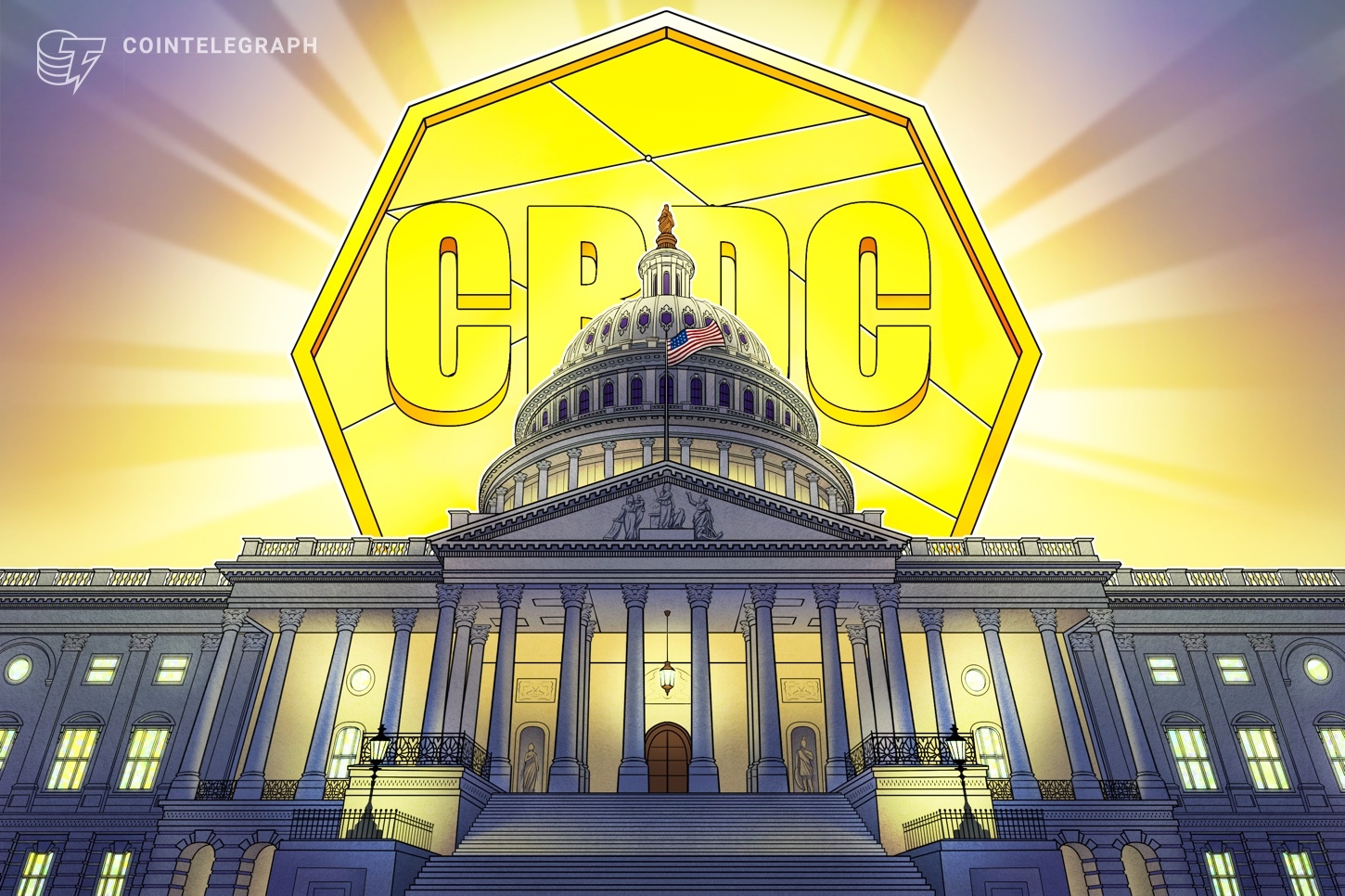
A massive victory for financial privacy has emerged as US House and Senate leaders strike a deal on a landmark housing bill that includes a total ban on a central bank digital currency (CBDC) until 2030. This legislative maneuver effectively blocks the Federal Reserve from deploying a government-controlled digital dollar, ensuring that the push for a CBDC faces a significant roadblock in Washington.
Beyond the digital currency crackdown, the '21st Century Road to Housing Act' targets the housing affordability crisis by banning institutional investors from monopolizing single-family homes for rental purposes. This bipartisan effort demonstrates a dual-pronged attack against both state-led monetary surveillance and the corporate takeover of the American real estate market.
The bill has included a CBDC ban since the Senate passed it in March. While the House also passed its version of the bill with strong support in May, disagreements between the two chambers had stalled progress. The Senate has now added further amendments that will be put before the House for a final vote, marking a critical step in limiting the Fed's digital ambitions.
This is a summarized and adapted version by Artificial Intelligence. To read the complete original story, visit the official source.
Read Full Article at CoinTelegraphSupport Jornal Bitcoin
Independent journalism, curated by AI, no clickbait. Keep the flame alive with any amount of BTC.
jonata@walletofsatoshi.comDaily Crypto Brief 📬
Subscribe to receive the curation of the most important Bitcoin and crypto news, summarized by AI. No spam.
Join more than 10,000 smart readers.
Related News

Beyond Crypto: Kalshi Eyes Gold Perpetual Futures Following $16.1B Trading Milestone
This expansion represents a significant pivot toward traditional commodities, leveraging the momentum gained from the crypto sector. By introducing gold perpetuals, Kalshi aims to bridge the gap between digital asset volatility and precious metals, providing institutional-grade access to gold through a regulated framework.

Tech Exodus: Hedge Funds Slash US Tech Holdings at Fastest Pace in a Decade
The rapid liquidation of IT stocks indicates a strategic pivot away from high-growth tech valuations. As hedge funds reduce their tech holdings, the resulting liquidity shift could trigger broader market volatility and influence risk appetite in highly correlated sectors, including the digital asset space.

Russia Passes Landmark Crypto Law to Build State-Run Rails for Sanctioned Trade
By creating state-run rails for digital transactions, Russia is positioning itself to bypass traditional financial restrictions and navigate international sanctions. The implementation of this crypto law provides a strategic pathway for sanctioned trade, leveraging blockchain technology to maintain global economic connectivity.

ECB Shakeup: Spain Nominates Pablo Hernández de Cos, Signaling Major Shifts for Crypto
Crypto markets should brace for impact as his leadership could fundamentally reshape the landscape for stablecoins and digital assets across Europe. His potential influence on regulatory standards and the integration of blockchain technology marks a pivotal moment for institutional crypto adoption.

Merger Collapse: Strike and Tether-backed Twenty One Capital Part Ways
This strategic breakdown triggers a leadership reshuffle, with Jack Mallers stepping down as CEO of Twenty One Capital while retaining his position at Strike. While the Strike deal has dissolved, negotiations between Twenty One Capital and Elektron Energy are reportedly still ongoing, suggesting a fragmented restructuring of Tether's broader investment interests.

Polymarket Odds Hit 99.95%: Bitcoin Set to Blast Past $56K by July 22
This surge in confidence is fueled by strengthening institutional demand for Bitcoin ETFs and optimistic regulatory whispers. Specifically, reports suggest the White House has reached an agreement on ethics-package wording tied to the Clarity Act, providing the legal framework necessary to sustain long-term crypto market growth.
