Coldcard Hack Triggers Bitcoin Exodus to Exchanges - Opposite Post-FTX Trend
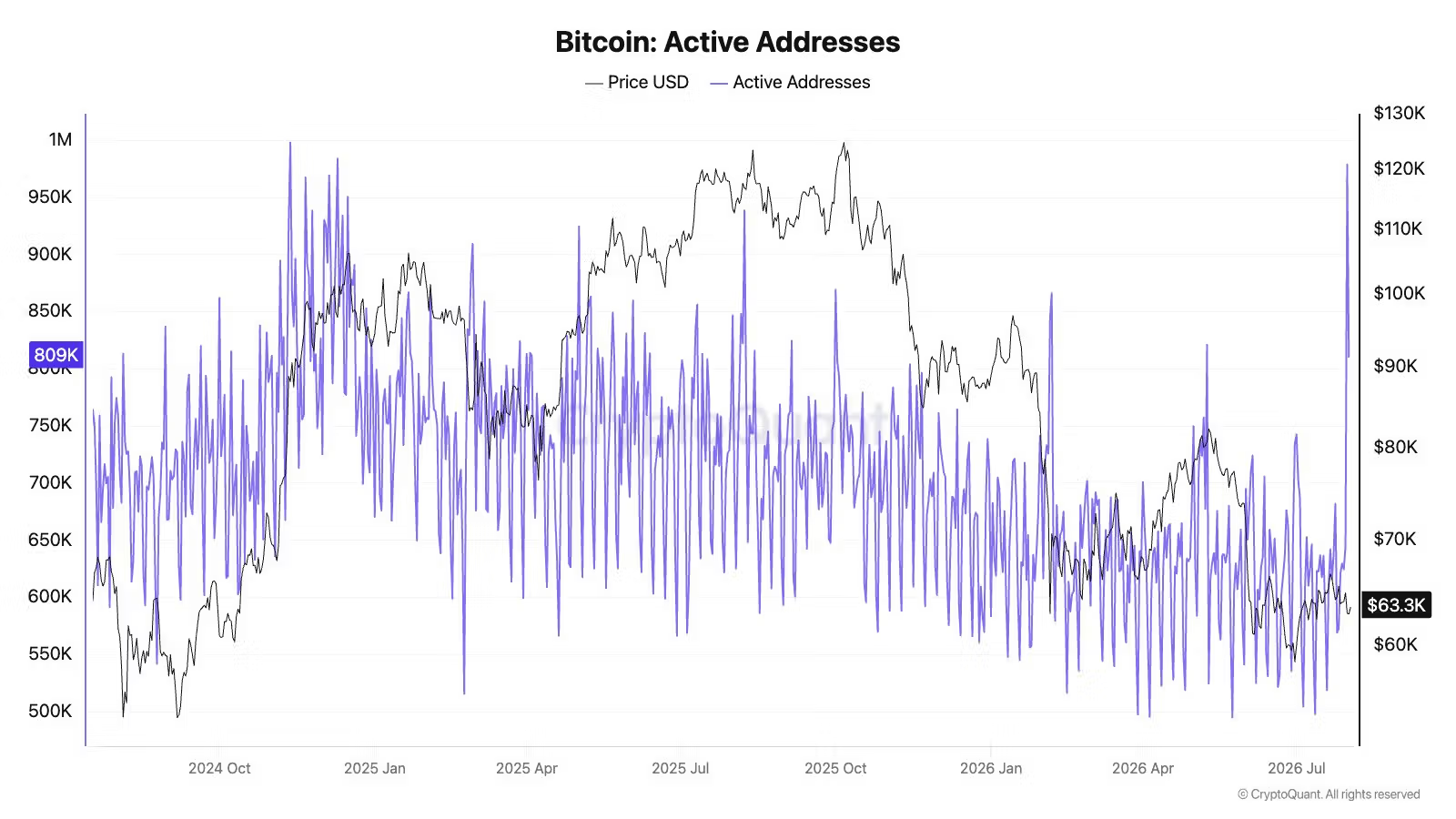
The Coldcard hardware wallet vulnerability has led to an $89 million exploit, triggering a mass exodus of smaller Bitcoin holders to exchanges - a stark contrast to the post-FTX collapse trend of 2022. This security breach has caused retail investors to prioritize safety over self-custody, moving their Bitcoin assets to centralized platforms for protection. This reversal in behavior highlights how security concerns can quickly reshape market dynamics, with smaller Bitcoin investors prioritizing liquidity and protection against technical vulnerabilities. While the FTX collapse drove users toward self-custody solutions, the Coldcard exploit has created a temporary flight to centralized exchanges, demonstrating how even the most decentralized community can shift toward centralized platforms when faced with tangible threats to their digital assets.
This is a summarized and adapted version by Artificial Intelligence. To read the complete original story, visit the official source.
Read Full Article at CoinDeskSupport Jornal Bitcoin
Independent journalism, curated by AI, no clickbait. Keep the flame alive with any amount of BTC.
jonata@walletofsatoshi.comDaily Crypto Brief 📬
Subscribe to receive the curation of the most important Bitcoin and crypto news, summarized by AI. No spam.
Join more than 10,000 smart readers.
Related News

Perpetual Futures: The Reverse Bridge Connecting Crypto and Wall Street
This innovation represents an unprecedented fusion between the crypto universe and Wall Street, allowing traders to benefit from continuous trading outside traditional market hours. With growing institutional adoption and increasing trading volume, perpetual futures are emerging as a powerful tool for diversification and global access to multiple asset classes, redefining the boundaries of financial trading.
$20 Billion AI Fund's Collapse Shows Why Bitcoin Is the First Wall Street Sells During Margin Calls
The situation exposes Bitcoin's vulnerability to traditional market pressures. Institutional investors entering the crypto space with leverage may be forced to sell their digital assets to cover losses in other sectors, creating an unwanted correlation with traditional financial markets. This AI fund collapse serves as a reminder that decentralization doesn't fully insulate Bitcoin from traditional market forces, especially during times of financial stress.

Sharvel's LCK Breakout Exposes Esports' Talent Pipeline, But Where's the Crypto?

Russia Targets Durov, Bessent Slams CLARITY Opponents, and More - Weekly Recap
Geopolitical pressures continue to shape the crypto ecosystem, with Russia taking action against prominent figures like Pavel Durov. Meanwhile, the debate over U.S. regulation intensifies, with the CLARITY Act emerging as a central point of controversy. Consolidation within the DeFi sector and the expansion of traditional products like sports futures indicate increasing market maturity despite regulatory uncertainties. Investors and developers are actively monitoring these trends seeking opportunities and protection against market volatility.
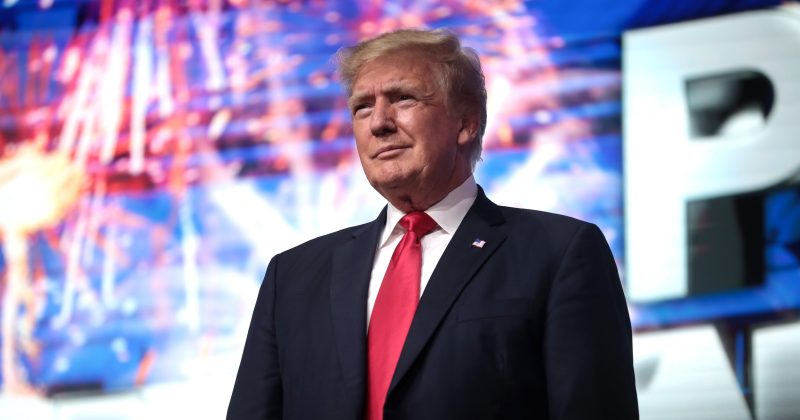
Iran's Demands Trump Trump's Options in 2026 Talks: Prolonged Conflict Looms
This escalating tension between the two regional powers carries profound implications for global stability, international financial markets, and oil prices. Analysts warn that a prolonged conflict could trigger a new energy crisis, directly impacting the global economy and creating volatility in cryptocurrency markets, which historically seek refuge during times of geopolitical uncertainty.