CoinDesk

Coldcard's $38 Million Exploit Shakes Self-Custody Faith, May Push Investors to ETFs

July 31, 202602:07 PM

A software vulnerability in the Coldcard hardware wallet has enabled thieves to steal nearly 600 bitcoins worth approximately $38 million, shaking confidence in self-custody solutions and raising critical questions about the risks of managing private keys. This security breach may accelerate investor migration toward bitcoin ETFs, offering a more accessible alternative for market exposure without the complexities of personal asset protection. The incident exposes critical challenges in crypto security infrastructure, particularly for everyday users who may lack the technical expertise to safeguard their digital assets effectively.

This is a summarized and adapted version by Artificial Intelligence. To read the complete original story, visit the official source.

Read Full Article at CoinDesk
QR Code Lightning

Support Jornal Bitcoin

Independent journalism, curated by AI, no clickbait. Keep the flame alive with any amount of BTC.

Wallet of Satoshi
jonata@walletofsatoshi.com

Daily Crypto Brief 📬

Subscribe to receive the curation of the most important Bitcoin and crypto news, summarized by AI. No spam.

Join more than 10,000 smart readers.

Related News

Bitcoin Magazine

Coinkite Releases Fixed Firmware After Coldcard Bug; AI Likely Involved In The Breach

Bitcoin hardware manufacturer Coinkite has released fixed firmware after a critical vulnerability was discovered in Coldcard, with evidence suggesting artificial intelligence was likely used in exploiting the flaw. Developer NVK highlighted that AI-assisted code review can now find latent bugs at a speed outpacing even the industry's most seasoned experts, marking a sober reality of the new AI paradigm. This incident represents a turning point in cryptocurrency security, demonstrating how AI tools can be both a threat and a defense in the blockchain ecosystem. Coinkite's swift response and adoption of AI-assisted code review technologies reflect the growing need for innovation in digital security as adversaries also leverage the same advanced technologies. The case serves as a warning to the entire industry about the importance of staying ahead in the technological arms race.
Blackrock Fuels 79% of Bitcoin ETF Inflows with $183.38M as Institutional Money Returns
Bitcoin.com★ Featured

Blackrock Fuels 79% of Bitcoin ETF Inflows with $183.38M as Institutional Money Returns

Bitcoin ETFs attracted $233.13 million on Thursday, with Blackrock driving $183.38 million of this total, representing 79% of all inflows. This significant institutional capital injection marks a strong recovery for the crypto market after ending a four-day losing streak. The positive performance of Bitcoin ETFs contrasts with the stagnant flows seen in HYPE ETFs, while other cryptocurrency funds like Ether, XRP, and Solana also recorded positive net inflows. This capital movement reflects growing institutional confidence in Bitcoin as an asset class, potentially driving future price appreciation and broader adoption.
Bitcoin Magazine

COLD CARD SECURITY RISK: IMMEDIATE ACTION REQUIRED
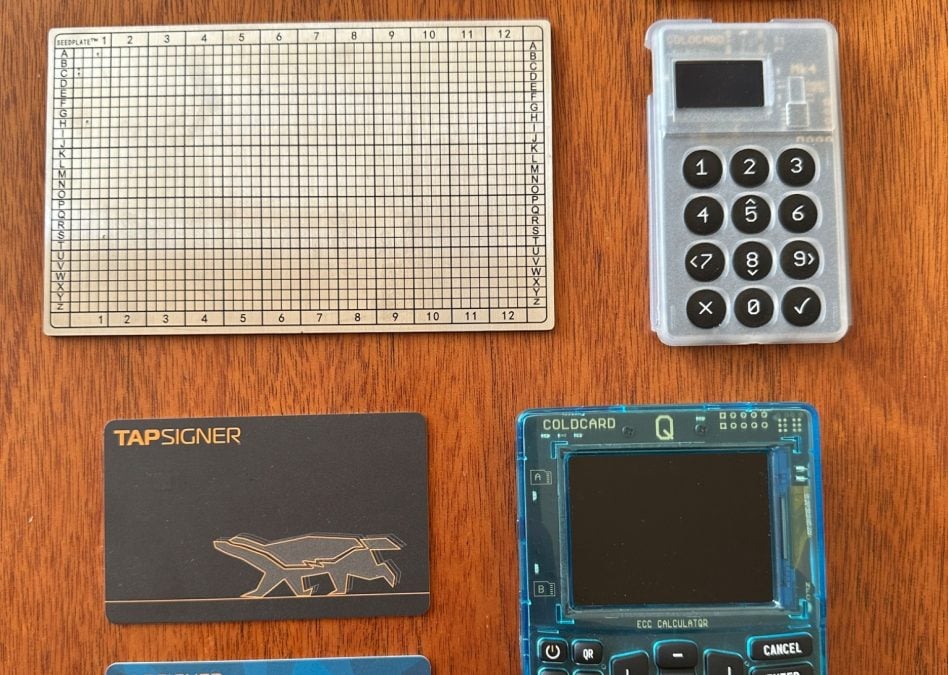
A critical security vulnerability has been discovered in Coldcard hardware wallets, requiring immediate action from all users. The Coldcard team has issued an urgent alert, advising all owners to review disclosures and implement necessary corrective measures to protect their bitcoins. This incident highlights the ongoing security challenges in the Bitcoin ecosystem, even with devices considered highly secure. Coldcard users must act quickly to mitigate any potential risk of fund loss, serving as an important reminder about the necessity of staying updated on security vulnerabilities and firmware updates in hardware wallets.
Coldcard Security Crisis: $38.5M Bitcoin Losses Prompt Urgent Firmware Update
Livecoins★ Featured

Coldcard Security Crisis: $38.5M Bitcoin Losses Prompt Urgent Firmware Update

Coldcard, a leading Bitcoin hardware wallet manufacturer, has officially acknowledged a critical vulnerability affecting its Mk4, Mk5, and Q models following reports of $38.5 million in Bitcoin losses potentially linked to their devices. The company initially claimed the issue was limited to Mk3 models but has now released urgent firmware updates for all affected devices, including the previously identified Mk3.

This security flaw generates insecure seeds, putting the funds of thousands of Coldcard wallet users at risk. The incident represents one of the most significant security breaches in the Bitcoin ecosystem, forcing the community to reconsider cryptocurrency storage practices. While Coldcard hasn't specified how many users were affected, the reported loss amount underscores the severity of the issue and the urgent need for device updates across the affected models.

Coldcard Security Flaw Exposes Critical Risk to Bitcoin Wallets
NewsBTC

Coldcard Security Flaw Exposes Critical Risk to Bitcoin Wallets

A Coldcard security notice has thrust Bitcoin hardware wallet safety back into the spotlight, revealing a firmware flaw that impacted seed generation processes. The incident exposes critical entropy risks that could potentially compromise user funds, highlighting fundamental vulnerabilities in Bitcoin wallet security protocols.

This issue emerges at a pivotal moment for Bitcoin adoption as more users store significant amounts in hardware wallets. Coldcard, regarded as one of the most secure wallets on the market, now faces intensified scrutiny over its security procedures. The incident serves as a vital reminder for the Bitcoin community about the importance of independent verification and additional protection layers for digital assets.

$38M Bitcoin Heist: Critical Coldcard Flaw Exposes Hardware Wallet Vulnerability
Crypto Briefing★ Featured

$38M Bitcoin Heist: Critical Coldcard Flaw Exposes Hardware Wallet Vulnerability

Coinkite has reported that a critical flaw in Coldcard's key generation process led to the draining of $38 million in Bitcoin, exposing significant vulnerabilities in some of the most popular hardware wallets on the market. This incident serves as a stark warning to the crypto community about the essential need for robust security measures and independent code audits in cryptocurrency storage solutions.

The specific vulnerability affects key generation on Coldcard devices, one of the most respected hardware wallets, and could accelerate the adoption of multi-signature solutions as an industry security standard. Crypto investors and users now face a growing dilemma between the convenience of hardware wallets and the need for additional protection layers, with potential regulatory and trust implications for the broader crypto ecosystem in the long term.

Jornal Bitcoin Logo