Economic Meltdown: Iran’s Rial Crashes to Record Low of 1.95 Million per Dollar
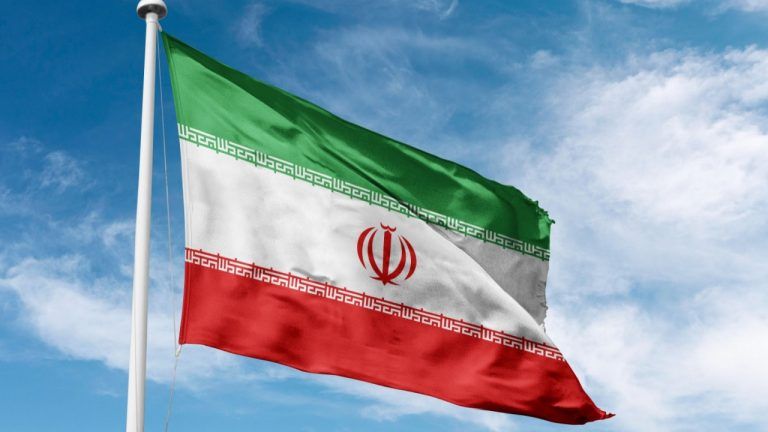
Iran's economy is spiraling into chaos as the rial hits a devastating all-time low of approximately 1.95 million per U.S. dollar. This currency collapse is being fueled by mounting U.S. pressure and a failing ceasefire, pushing a nation already struggling with 68.9% projected inflation into a full-blown financial meltdown.
As the rial enters a free fall, the economic consequences for the region are becoming increasingly severe. The combination of hyperinflation and geopolitical instability is creating a perfect storm, leaving the local economy vulnerable to total systemic failure as the dollar's dominance in the open market reaches unprecedented levels.
A currency in free fall, the dollar was quoted near 1.95 million rials in Iran’s open market. The rapid devaluation highlights the extreme fragility of the Iranian economy as it faces the dual threats of international sanctions and domestic political instability.
This is a summarized and adapted version by Artificial Intelligence. To read the complete original story, visit the official source.
Read Full Article at Bitcoin.comSupport Jornal Bitcoin
Independent journalism, curated by AI, no clickbait. Keep the flame alive with any amount of BTC.
jonata@walletofsatoshi.comDaily Crypto Brief 📬
Subscribe to receive the curation of the most important Bitcoin and crypto news, summarized by AI. No spam.
Join more than 10,000 smart readers.
Related News

Drone Warfare Escalation: Russian Attacks Surge in Eastern Ukraine
As the conflict evolves, strategic projections suggest a high-stakes timeline, with an 18% probability of Russian forces entering Sloviansk by December 31, 2026. This escalation of drone warfare and sustained military pressure continues to reshape the geopolitical landscape and the long-term outlook for regional stability.
South African Rand Surges as Dropping Oil Prices Fuel US-Iran Mediation Hopes
As diplomatic hopes influence global trade dynamics, the downward pressure on oil prices is reshaping investor sentiment toward risk assets. The market is closely watching whether this mediation can stabilize energy costs, potentially providing a long-term tailwind for the Rand and broader global economic stability.
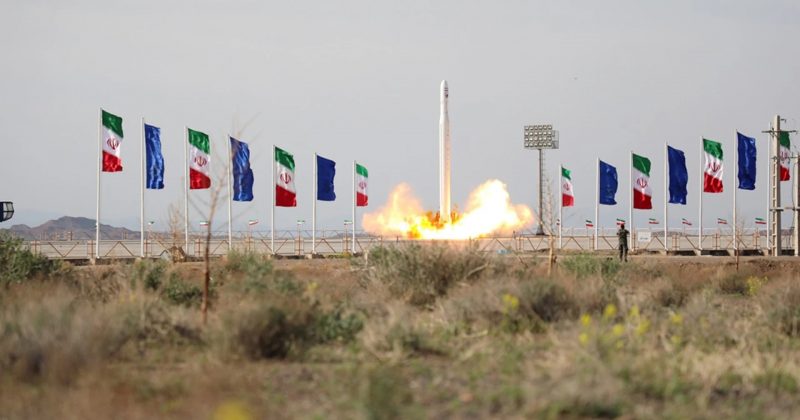
Geopolitical Standoff: Iran Unlikely to Back Down Despite U.S. Military Pressure
Looking ahead to 2026, potential deal frameworks include reconstruction funding and a uranium enrichment cap set at 32.5%. The persistence of this conflict between Iran and the U.S. continues to shape global risk assessments and long-term economic stability.
Wall Street on Chain: Base to Launch 1:1-Backed Tokenized U.S. Equities
Targeting a rollout by late 2026, this development marks a massive leap for the Real World Asset (RWA) sector. By bringing tokenized equities to a Layer 2 ecosystem, Base is positioning itself as a primary hub for institutional-grade liquidity and decentralized finance integration.
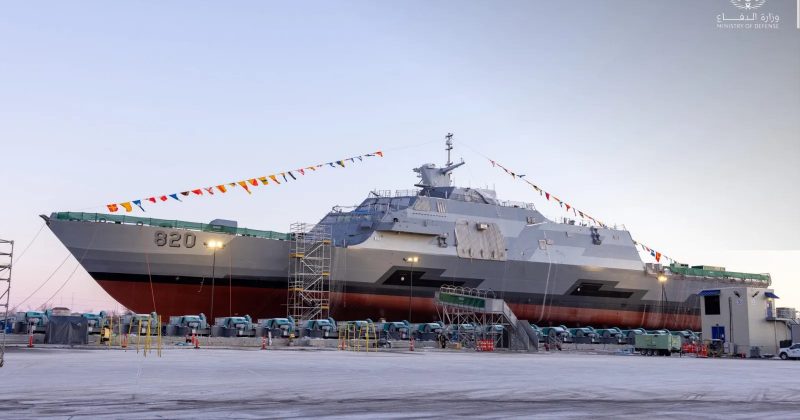
Geopolitical Flashpoint: Saudi-led Coalition Vows Ship Protection Amid Escalating Houthi Blockade
Market intelligence suggests a high-risk environment, with projections indicating a 59% probability that Houthi forces will successfully target shipping by July 31. This heightened geopolitical tension poses a direct threat to global supply chains and could trigger significant volatility across international markets.
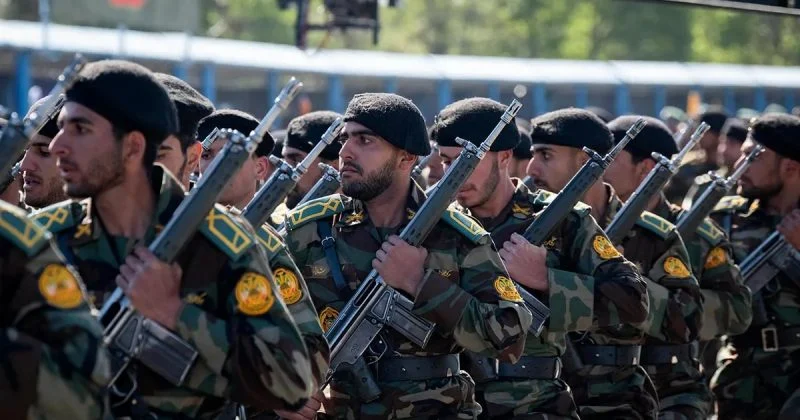
Market Shock: Polymarket Predicts US May Halt Iran Offensive Operations by 2026
For crypto investors, these geopolitical indicators are vital, as Middle East tensions often drive market volatility and macro shifts. Understanding these prediction markets is key to navigating how global political stability—or the lack thereof—will impact asset prices and broader economic trends.
