Code Revolution: AI Now Writes Over 95% of Coinbase's Software

Coinbase is undergoing a massive technological shift, revealing that artificial intelligence now assists in writing between 95% and 100% of its entire codebase. This strategic pivot, confirmed by company leadership, demonstrates how Large Language Models (LLMs) have become the primary engine driving the crypto exchange's software development lifecycle.
This automation surge follows a significant 14% workforce reduction earlier this year, as CEO Brian Armstrong aims to restore the company's original startup speed. While AI handles the heavy lifting of execution, Coinbase maintains that high-agency human judgment remains critical for high-level strategy and complex decision-making.
Coinbase is fundamentally altering its engineering DNA. Rob Witoff, Coinbase's head of platform, revealed to Cointelegraph that the company is leaning heavily on AI for execution, with an estimated 95% to 100% of their code now being written by or with LLMs.
This shift follows a period of restructuring where Coinbase cut 700 staff members in May. CEO Brian Armstrong noted that AI has "dramatically" accelerated the pace of work, allowing the exchange to return to its founding roots of speed and focus, with artificial intelligence integrated at its very core.
This is a summarized and adapted version by Artificial Intelligence. To read the complete original story, visit the official source.
Read Full Article at CoinTelegraphSupport Jornal Bitcoin
Independent journalism, curated by AI, no clickbait. Keep the flame alive with any amount of BTC.
jonata@walletofsatoshi.comDaily Crypto Brief 📬
Subscribe to receive the curation of the most important Bitcoin and crypto news, summarized by AI. No spam.
Join more than 10,000 smart readers.
Related News
Meta Lawsuit: Employees Sue Over AI-Driven Layoffs Targeting Disabled Workers
Beyond the immediate legal fallout, this case underscores the growing tension between corporate automation and civil rights. As companies increasingly rely on AI for workforce management, the industry must confront the consequences of algorithmic bias and the urgent need for robust regulatory frameworks to protect vulnerable employees.
Staking Powerhouse: Bitmine Nets $46M from Ethereum Staking in Just One Quarter
Beyond the raw numbers, this windfall serves as a barometer for market sentiment, showcasing deep-seated confidence in Ethereum despite ongoing regulatory scrutiny and macroeconomic headwinds. As institutional interest intensifies, these staking revenues underscore the long-term value proposition of the Ethereum network.
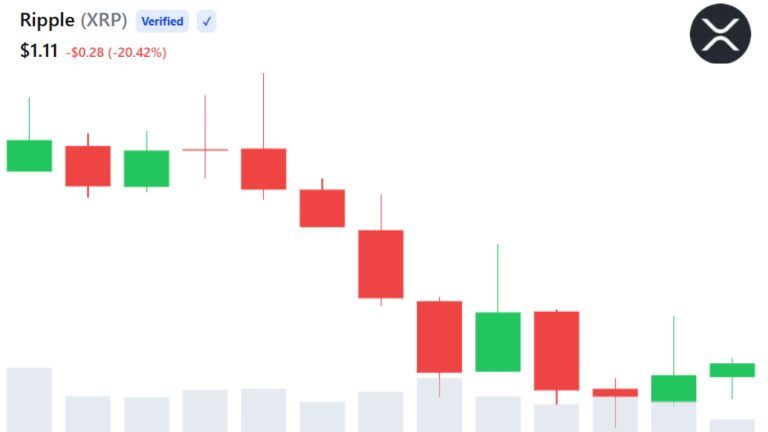
XRP FOMO Surges: Bullish Sentiment Hits 5-Week High Despite Price Dip
Market participants appear to be looking past immediate volatility, focusing instead on the massive potential within the payments sector. This surge in interest suggests that the long-term utility of XRP in global payment infrastructures is driving conviction even during periods of market consolidation.

Geopolitical Chaos: Trump's Iran Military Engagement Hits Major Roadblocks
As regional instability continues to prolong, the consequences for global markets are profound. This heightened state of tension increases geopolitical risk, a factor that historically drives market volatility and influences investor sentiment across both traditional and digital asset classes.
Morgan Stanley Fast-Tracks Crypto Adoption with Updated ETH and SOL ETF Filings
The updated filings for Ethereum and Solana spot ETFs reinforce the growing narrative that traditional finance is preparing to integrate blockchain infrastructure into mainstream portfolios. If approved, these low-fee products could significantly enhance market liquidity and cement the long-term maturity of the digital asset ecosystem.

AI Economy Unleashed: Ripple Joins x402 Foundation to Power XRP Agent Payments
This integration marks a critical shift toward machine-to-machine commerce, where autonomous software requires seamless financial rails. By participating in the x402 Foundation, Ripple is positioning its digital assets to become the primary settlement layer for the next generation of AI-driven economic interactions.
