China's Stock Connect Expansion: Yuan-Denominated Stocks & REITs Shake Global Markets

China is shaking global financial markets with a major expansion of its Stock Connect program, now including yuan-denominated stocks and REITs. This strategic move significantly boosts the yuan's appeal as an international investment currency, positioning China as a dominant player in global financial integration. The initiative represents a crucial step in opening China's markets and internationalizing the yuan, with potential to redefine global capital flows and strengthen China's economic influence. International investors gain direct access to Chinese yuan-denominated assets, while the country advances its ambition to challenge the dollar's dominance in global financial markets.
This is a summarized and adapted version by Artificial Intelligence. To read the complete original story, visit the official source.
Read Full Article at Crypto BriefingSupport Jornal Bitcoin
Independent journalism, curated by AI, no clickbait. Keep the flame alive with any amount of BTC.
jonata@walletofsatoshi.comDaily Crypto Brief 📬
Subscribe to receive the curation of the most important Bitcoin and crypto news, summarized by AI. No spam.
Join more than 10,000 smart readers.
Related News

South Korean Stablecoin Exodus: $367M Flees in June as 18-Month Capital Flight Intensifies
The persistent outflow of stablecoins from South Korea presents a significant challenge for regulators struggling to contain capital movement and maintain confidence in the nation's cryptocurrency market. As the volume of outflows continues to grow, concerns mount about the effectiveness of capital control policies and the potential impact on the country's economic stability, particularly as the global crypto market landscape continues to evolve.

Swiss Crypto Adoption Rate Double That of Germany, Study Shows
The disparity between these neighboring nations reflects different regulatory and cultural approaches to cryptocurrency. While Switzerland has cultivated a favorable environment for digital financial innovation, with cities like Zug known as 'Crypto Valley,' Germany maintains a more cautious stance. This growth trend in Switzerland indicates that cryptocurrencies are increasingly becoming part of mainstream finance, with potential implications for the future of the European banking system.
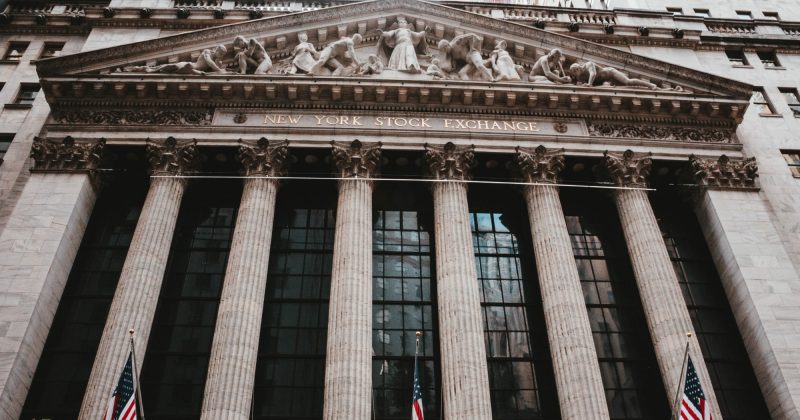
Wall Street Makes Historic First Live Blockchain Trades: Major Banks Lead the Way

Shocking Analysis: Chinese AI Models Only Months Behind US Giants
The narrowing AI gap is creating significant ripples across the cryptocurrency market, as investors reassess the value proposition of AI-related projects and tokens. This technological power shift may trigger capital reallocation toward Chinese AI initiatives, potentially increasing their attractiveness while putting pressure on US tech giants, leading to volatility in digital asset markets and reshaping investment strategies in the crypto space.
Ethereum Network Booming, ETH Price Lagging: The $420M Paradox
The growing gap between network utility and token value raises critical questions about what truly drives cryptocurrency prices. On-chain metrics showing record-high network activity contrast sharply with ETH's price stagnation, suggesting market sentiment and macroeconomic factors may be outweighing fundamental network improvements. This paradox could indicate either a significant buying opportunity for long-term investors or a sign that the market has yet to properly price in Ethereum's expanding utility and upcoming network upgrades.
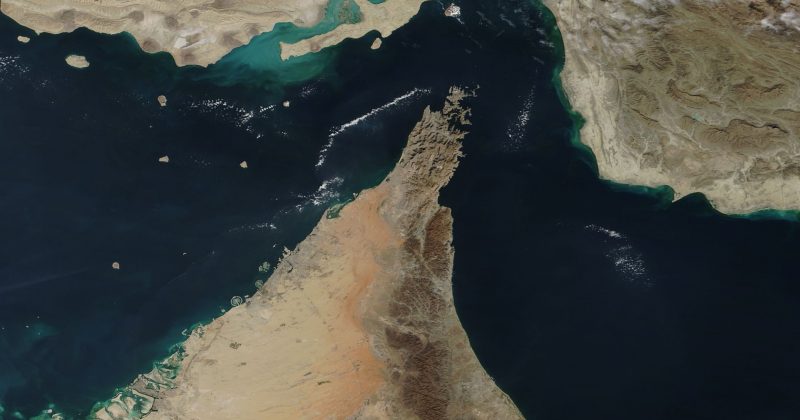
Iran-Oman Strait of Hormuz Deal Near Completion, Excluding US
The exclusion of the US from discussions about the Strait of Hormuz, a critical route for global energy trade, weakens American influence in the region and may set precedents for future international negotiations without the participation of global powers. This geopolitical development between Iran and Oman not only redefines alliances in the Persian Gulf but also has potential profound consequences for future Washington-Tehran relations and international energy market stability.
