Geopolitical Escalation: China Constructs US Navy Destroyer Replica for Missile Testing
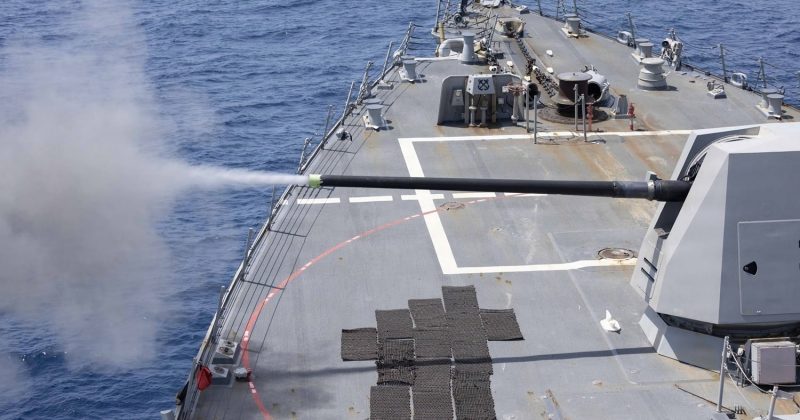
Global tensions are surging following reports that China has constructed a replica of a U.S. Navy destroyer in the Xinjiang desert. This strategic asset is designed for advanced missile testing, marking a significant escalation in China's military readiness and precision strike capabilities.
This development comes amid heightened fears of regional warfare. Current projections suggest a 7.5% probability of a military clash with Japan before 2027, and an 11.0% chance of conflict involving the Philippines, highlighting the volatile nature of the Indo-Pacific landscape.
China has taken a significant step in its military modernization by building a replica of a U.S. Navy destroyer in the Xinjiang desert. The structure is intended to serve as a target for sophisticated missile testing, allowing Chinese forces to simulate real-world combat scenarios against American naval technology.
This is a summarized and adapted version by Artificial Intelligence. To read the complete original story, visit the official source.
Read Full Article at Crypto BriefingSupport Jornal Bitcoin
Independent journalism, curated by AI, no clickbait. Keep the flame alive with any amount of BTC.
jonata@walletofsatoshi.comDaily Crypto Brief 📬
Subscribe to receive the curation of the most important Bitcoin and crypto news, summarized by AI. No spam.
Join more than 10,000 smart readers.
Related News
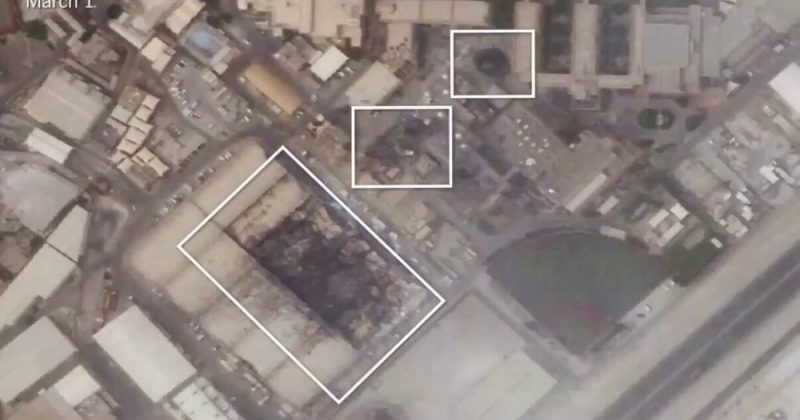
Geopolitical Flashpoint: Iranian Army Targets US Military Assets in Bahrain
Amidst these military maneuvers, the diplomatic clock is ticking toward a pivotal moment regarding the nuclear deal, with a final decision expected by August 13. The convergence of military aggression in the Middle East and high-stakes nuclear negotiations creates a complex landscape for investors seeking safety in Bitcoin and other hedge assets.

Diplomacy Meets Pitch: Trump Invites Sheinbaum and Carney to 2026 World Cup Final Amid Trade Tensions
However, the festive nature of the invitation contrasts sharply with the simmering trade tensions currently defining the relationship between the three nations. As the world prepares for the tournament, the intersection of global commerce and international relations remains a critical focal point for analysts monitoring the stability of North American alliances.
Diplomatic Shockwave: White House Unaware of Trump's Planned Israel Visit Amid US-Iran Tensions
Speculation is mounting regarding a potential meeting with Benjamin Netanyahu, with timelines pointing toward late July. As the global community watches these developments, the potential for sudden shifts in international relations could trigger massive volatility across both traditional markets and the broader crypto ecosystem.
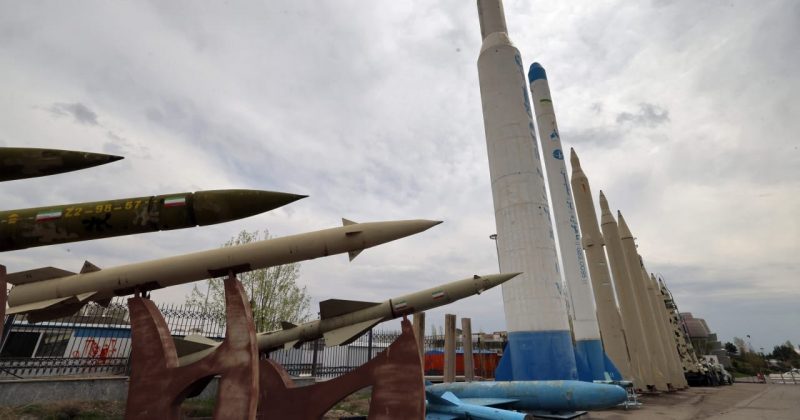
Middle East Escalation: Jordan Intercepts 10 Iranian Missiles Amid Rising Tensions
Beyond the immediate interception, the broader conflict landscape remains volatile, with intelligence suggesting potential Houthi military actions against Israel in the coming years. As these regional tensions evolve, investors must brace for heightened market fluctuations driven by sudden shifts in geopolitical stability.

Middle East Chaos: Polymarket Odds for Iran Regime Fall Hold at 10.5% Amid Escalating Strikes
U.S. airstrikes have expanded for a sixth consecutive night, targeting critical infrastructure including bridges, energy sites, and key port towers as fighting intensifies in the Strait of Hormuz. This escalation poses significant risks to global energy security and continues to drive high-stakes speculation within the prediction market ecosystem.

Geopolitical Alert: US Deploys Refueling Aircraft for Potential Strikes on Iranian Nuclear Sites
As the threat of military action looms, the global financial landscape faces heightened uncertainty. Investors are closely watching how these geopolitical shifts influence market volatility and the flight to safety, factors that traditionally drive interest in Bitcoin and other digital assets during times of international crisis.
