China's AI Giant Awakens: New Open-Source Model Challenges OpenAI and Anthropic Dominance

China has officially unleashed the world's largest open-source AI model, boasting more parameters than any current Western rival. This massive technological leap places unprecedented pressure on industry leaders like OpenAI and Anthropic, signaling a potential shift in the global artificial intelligence landscape.
This strategic move reignites the intensifying technological war and poses a direct threat to the valuations of major American big tech companies. By providing a high-scale open-source alternative, China is poised to disrupt the global technology market and challenge the established Silicon Valley hegemony.
China has launched the world's largest open-source AI model, featuring more parameters than any existing Western competitor. The move is seen as a pivotal moment in the digital arms race, putting direct pressure on the proprietary models developed by OpenAI and Anthropic.
Analysts suggest this launch reignites the global technological war and could significantly impact the valuations of American big tech firms. By offering an extremely powerful open-source alternative, China is challenging Silicon Valley's dominance and redefining the competitive landscape of the artificial intelligence market.
This is a summarized and adapted version by Artificial Intelligence. To read the complete original story, visit the official source.
Read Full Article at BlockTrendsSupport Jornal Bitcoin
Independent journalism, curated by AI, no clickbait. Keep the flame alive with any amount of BTC.
jonata@walletofsatoshi.comDaily Crypto Brief 📬
Subscribe to receive the curation of the most important Bitcoin and crypto news, summarized by AI. No spam.
Join more than 10,000 smart readers.
Related News
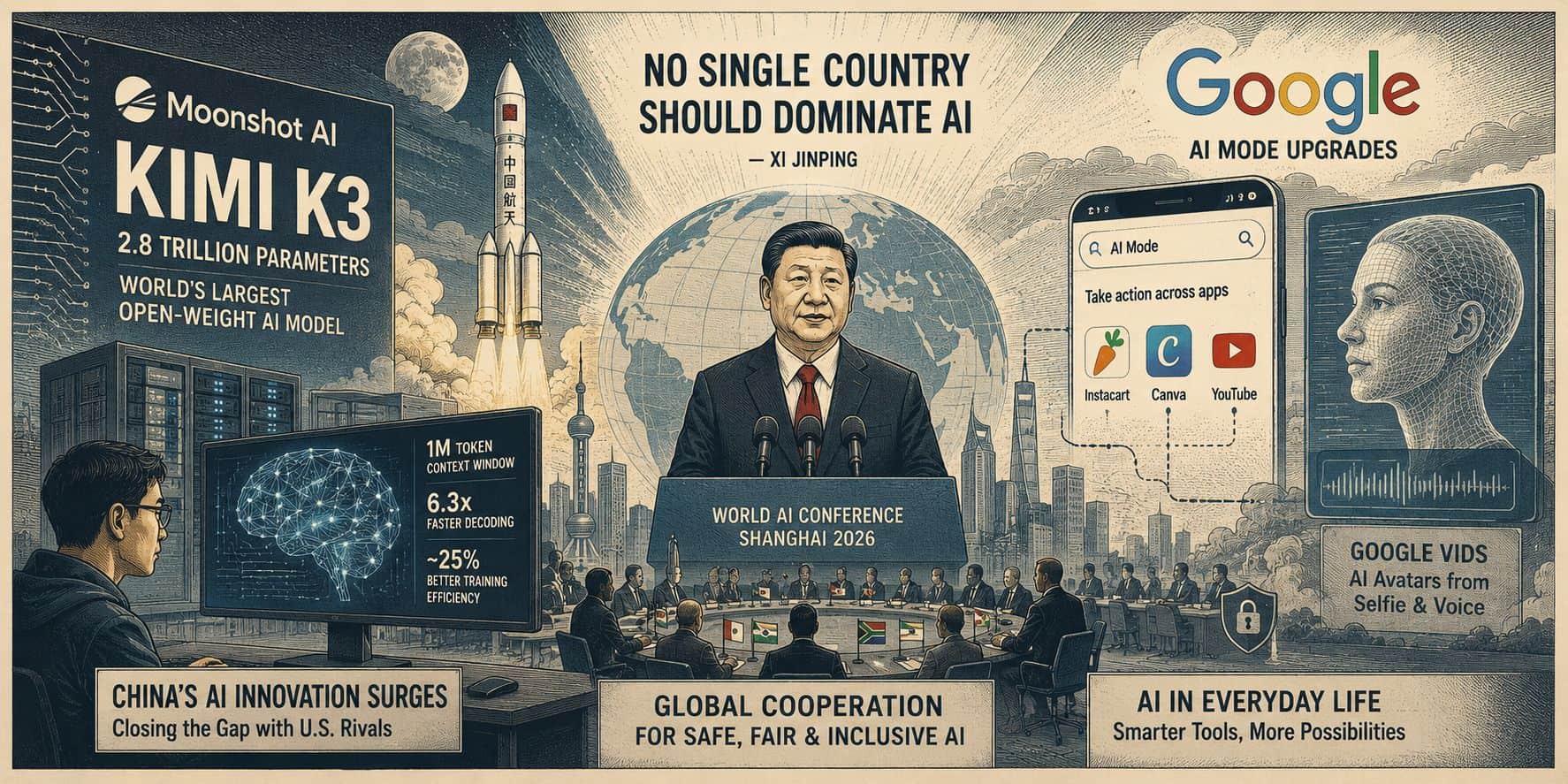
AI Race Boils Over: Moonshot Drops Kimi K3 (Open-Weight), Google Upgrades AI Mode, Xi Rejects Single-Country Dominance
The stakes extend beyond demos: open-weight models can accelerate adoption by enabling broader scrutiny and experimentation, while Google’s AI Mode upgrades raise the bar on product capability and user-facing creativity. With Xi pushing back against AI dominance, the contest is increasingly geopolitical—bringing fresh pressure for global coordination, standards, and policy clarity around AI deployment.
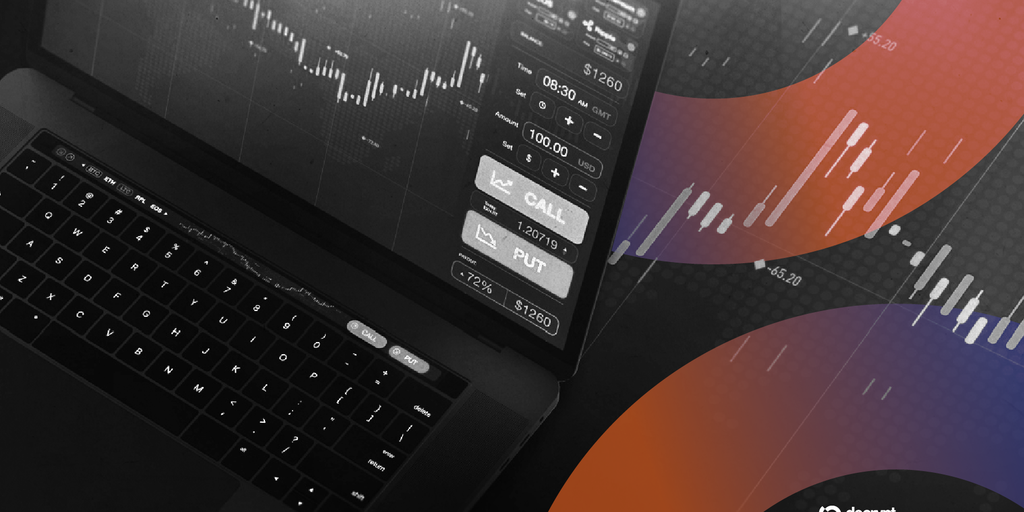
The Kimi K3 Effect: New AI Model Triggers Semiconductor Stock Sell-off
This sudden shift highlights growing concerns regarding the competitive landscape of the AI industry. As high-parameter open-weight models become more capable, investors are questioning the long-term dominance of hardware giants and the potential for rapid shifts in the semiconductor market demand.

The Next Nvidia? Major Ethereum Holder Predicts AI-Driven Moonshot
This strategic outlook positions Ethereum not just as a digital asset, but as a foundational layer for the AI revolution. As the intersection of blockchain and AI intensifies, the market is watching closely to see if Ethereum can trigger a new era of unprecedented capital inflow and network utility.

The Death of the 'Dumb' Siri? Apple Unleashes Generative AI to Battle ChatGPT and Gemini
This massive overhaul positions Apple as a direct heavyweight competitor to ChatGPT and Google Gemini. As the tech giant integrates these advanced capabilities into its ecosystem, the industry watches closely to see if Apple can reclaim its dominance in the rapidly evolving artificial intelligence landscape.
Digital Power Move: China and Kazakhstan Ink $15B Deals to Supercharge AI and Digital Asset Infrastructure
Beyond mere hardware, these investments are designed to build a resilient foundation for the future of digital assets and decentralized networks. By integrating AI with robust digital infrastructure, both nations are positioning themselves at the forefront of the global technological shift, creating significant implications for the digital economy.
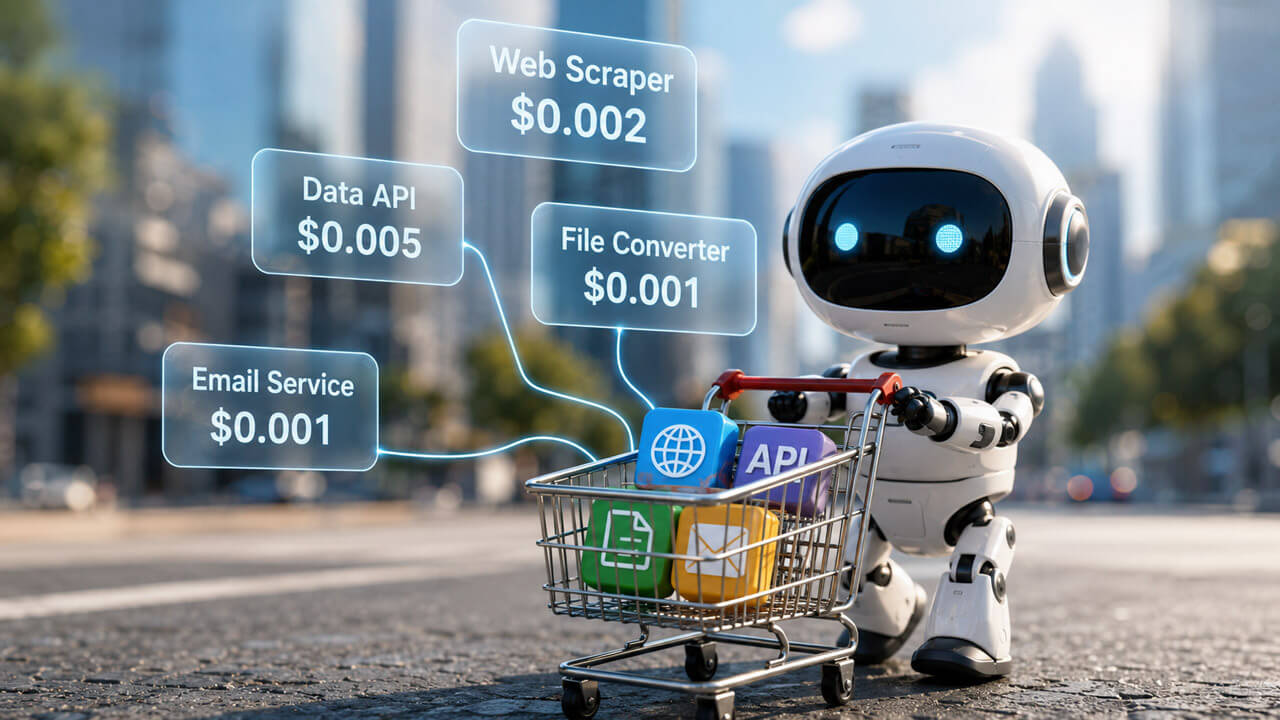
The AI Agent Revolution: How a $24M Market is Fueling Autonomous Crypto Payments
As these agents navigate the web—using advanced tools like Firecrawl to bypass platform restrictions—the integration of blockchain technology provides the necessary rails for seamless, trustless transactions. This rise in agentic crypto payments is setting the stage for a new era of decentralized, automated internet activity.
