China's Housing Crisis Deepens: June Price Drops Slow Down, but Economic Danger Looms

China's real estate sector is showing signs of a fragile plateau as new home prices experienced a slower rate of decline in June. This intel brief highlights that the deceleration in price drops does not signal a market bottom, leaving the broader Chinese economy exposed to significant volatility.
The ongoing housing crisis in China poses a systemic risk to consumer wealth and long-term economic stability. As the property market struggles to find its footing, the ripple effects could disrupt global financial markets and reshape the macroeconomic landscape for years to come.
While the pace of falling new home prices in China slowed down in June, the nation's housing market remains in a state of profound struggle. This slight deceleration offers little comfort to investors looking for a definitive turnaround in the sector.
The housing crisis in China signals potential long-term economic challenges, directly impacting consumer wealth and broader economic stability. The persistent weakness in the property market continues to cast a shadow over China's growth prospects and global economic sentiment.
This is a summarized and adapted version by Artificial Intelligence. To read the complete original story, visit the official source.
Read Full Article at Crypto BriefingSupport Jornal Bitcoin
Independent journalism, curated by AI, no clickbait. Keep the flame alive with any amount of BTC.
jonata@walletofsatoshi.comDaily Crypto Brief 📬
Subscribe to receive the curation of the most important Bitcoin and crypto news, summarized by AI. No spam.
Join more than 10,000 smart readers.
Related News

Geopolitical Alert: US Deploys 20+ Navy Warships Amid Escalating Iran Tensions
Beyond the immediate military implications, this buildup threatens to disrupt vital shipping routes, which could trigger volatility across global markets. As geopolitical instability rises, the potential for supply chain disruptions and market shocks remains a primary concern for institutional and retail investors alike.

Trump Urges Netanyahu to Withdraw Troops: A Geopolitical Shift Threatening Crypto Stability
The implications of this move extend far beyond regional borders, directly influencing crypto market volatility as traders react to shifting risk profiles. As the world watches this confrontation, the interplay between international conflict and digital asset pricing becomes increasingly vital, marking this as a key event for anyone tracking the intersection of politics and blockchain finance.

Inflation Alert: US Gasoline Prices Surge for First Time Since May Amid Iran Ceasefire Collapse
Rising fuel costs are expected to trigger renewed inflationary pressures, potentially destabilizing broader economic stability. This development places significant pressure on the Federal Reserve, as these inflationary signals will likely influence upcoming monetary policy decisions and interest rate trajectories.

Oil Price Surge: Trump's Threats on Strait of Hormuz Trigger Market Chaos
As uncertainty surrounds the global oil supply and pricing, the broader economic implications are profound. Investors are bracing for potential supply chain disruptions, which could fuel inflation and force a shift in asset allocation across both traditional commodities and the crypto market as traders seek safe havens.

Fed Under Fire: Warsh Takes Monetary Policy Report to Congress
This development is expected to reshape market strategies and significantly alter investment flows across all asset classes. As the Fed navigates these congressional waters, the resulting impact on economic stability and market volatility remains a critical focal point for institutional players.
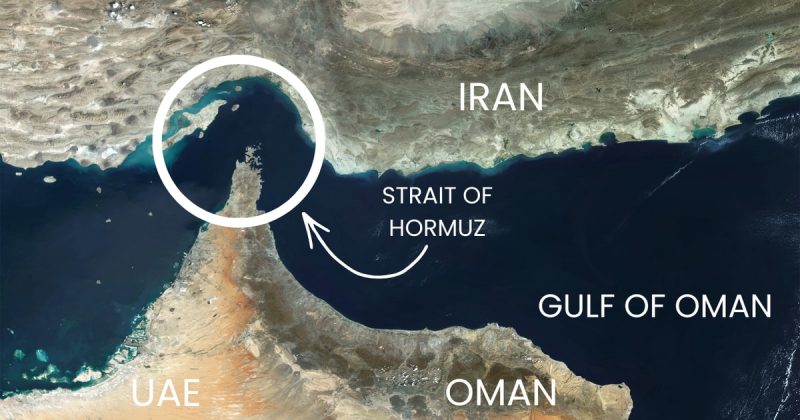
Iran Conflict Escalates: Strait of Hormuz Threatens Global Oil Supply
Beyond the immediate energy crisis, the potential disruption of oil flows threatens broader economic stability and could force a massive shift in global trade patterns. As the situation evolves, the impact on oil prices and the resulting economic consequences remain a primary concern for global financial institutions.
