Tariff War: China Defies US Sanctions, Fueling Crypto Adoption for Energy Trade

China has vowed to defend its domestic companies against US-imposed tariffs targeting Russian energy buyers, a move that signals a major shift in global trade dynamics. This geopolitical friction is significantly boosting the case for crypto settlement, as nations seek ways to bypass traditional banking rails and US-led financial restrictions.
As China seeks to insulate its energy imports from American economic pressure, the integration of cryptoassets into large-scale energy trade becomes not just an option, but a necessity. This trend threatens to undermine US influence and could accelerate the transition toward a decentralized global financial architecture.
China's defense against US tariffs may accelerate crypto adoption for energy trade, challenging traditional financial systems and US influence. By vowing to protect companies involved in purchasing Russian energy from American tariff pressures, Beijing is creating a massive incentive for the use of cryptocurrency settlements. This shift represents a strategic pivot to maintain energy security and trade continuity while circumventing the reach of the US financial system.
This is a summarized and adapted version by Artificial Intelligence. To read the complete original story, visit the official source.
Read Full Article at Crypto BriefingSupport Jornal Bitcoin
Independent journalism, curated by AI, no clickbait. Keep the flame alive with any amount of BTC.
jonata@walletofsatoshi.comDaily Crypto Brief 📬
Subscribe to receive the curation of the most important Bitcoin and crypto news, summarized by AI. No spam.
Join more than 10,000 smart readers.
Related News

Middle East Chaos: Airstrikes near Khondab trigger crypto market volatility
In response to the heightened risk, market participants are pivoting toward defensive postures to mitigate potential losses. There is a noticeable shift toward stablecoins as investors seek refuge from market swings, emphasizing the need for cautious trading strategies amidst the ongoing Iran tensions.
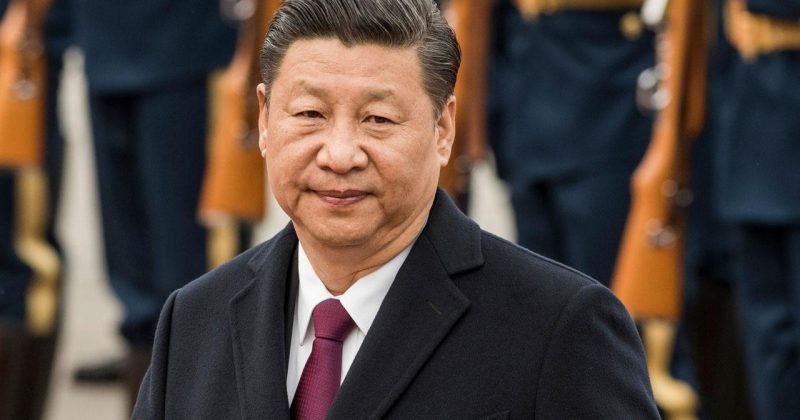
Trump-Xi Summit: Low Expectations Could Be the Key to Market Stability
Beyond mere diplomacy, the outcome of this summit carries heavy implications for global markets and tech supply chains. By prioritizing adherence to current protocols, the administration aims to reduce the geopolitical friction that frequently disrupts semiconductor production and high-tech manufacturing, sectors that are vital to the broader economic landscape.

Sell the Rip? Two Major Bitcoin Groups Liquidate Positions as Price Hits $65,000
This strategic liquidation highlights a tug-of-war between macroeconomic tailwinds and profit-taking. While lower inflation fuels bullish sentiment, the selling pressure from these specific investor cohorts could create significant volatility as the market tests these higher price levels.
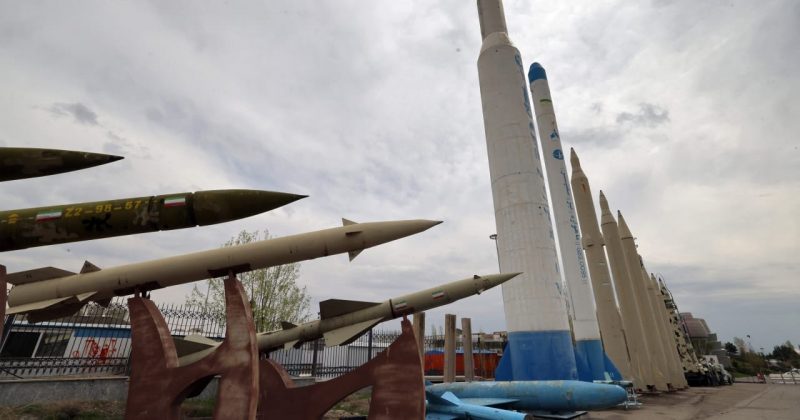
Geopolitical Crisis: Jordan Intercepts Eight Iranian Missiles Aimed at US Bases
The fallout from this interception complicates ongoing diplomatic efforts and significantly shifts the dynamics of international nuclear oversight. As geopolitical instability rises, the ripple effects are expected to impact global markets and the broader macroeconomic landscape, creating uncertainty for investors worldwide.

Cleanspark Secures Massive $6.6B AI Lease, Pivoting Mining Strategy Toward AI Infrastructure
The deal's scope is immense, granting the tenant exclusivity over Cleanspark’s 885 MW portfolio in Texas. This strategic shift highlights a growing trend among Bitcoin miners to repurpose massive energy assets to meet the global hunger for AI computing power and specialized data center capabilities.
Congo Ebola Outbreak Disrupts Mineral Talks, Threatening Crypto Mining Hardware Supply
This breakdown in mineral talks may heighten global reliance on Chinese supply chains, significantly impacting tech industries and shifting geopolitical dynamics. As the industry faces potential scarcity, the tension between Western-backed initiatives and dominant Chinese manufacturing could reshape the future of mining hardware availability.
