China ramps up green energy pivot as Iran conflict destabilizes oil demand
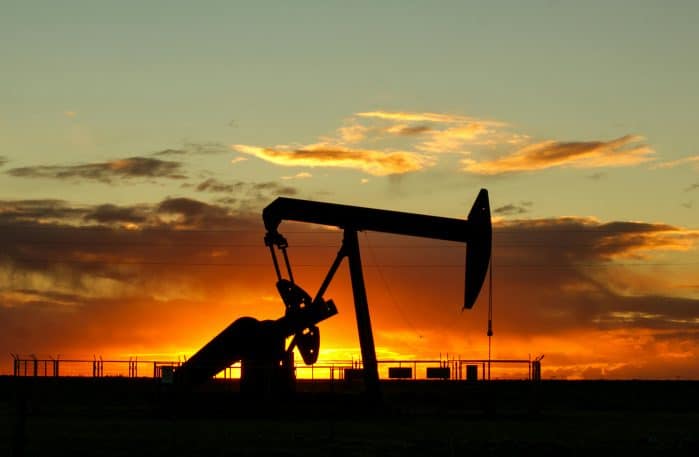
China is aggressively boosting its green energy investments as a strategic hedge against the geopolitical fallout from the Iran conflict. As tensions in the Middle East threaten to disrupt global oil demand and trigger extreme price volatility, Beijing is doubling down on renewable infrastructure to secure its long-term energy independence.
This pivot comes at a critical juncture for global markets, where the instability of crude oil prices is forcing a re-evaluation of traditional energy dependencies. The acceleration of green energy deployment in China not only addresses domestic security but also sets a new precedent for how major economies navigate the intersection of conflict and climate transition.
China is boosting its green energy investments as the ongoing conflict in Iran impacts global oil demand, according to the Financial Times. With crude oil markets facing significant geopolitical headwinds that could drive prices to new highs, China's strategic shift toward renewables aims to insulate its economy from the volatility of the fossil fuel market.
This is a summarized and adapted version by Artificial Intelligence. To read the complete original story, visit the official source.
Read Full Article at Crypto BriefingSupport Jornal Bitcoin
Independent journalism, curated by AI, no clickbait. Keep the flame alive with any amount of BTC.
jonata@walletofsatoshi.comDaily Crypto Brief 📬
Subscribe to receive the curation of the most important Bitcoin and crypto news, summarized by AI. No spam.
Join more than 10,000 smart readers.
Related News
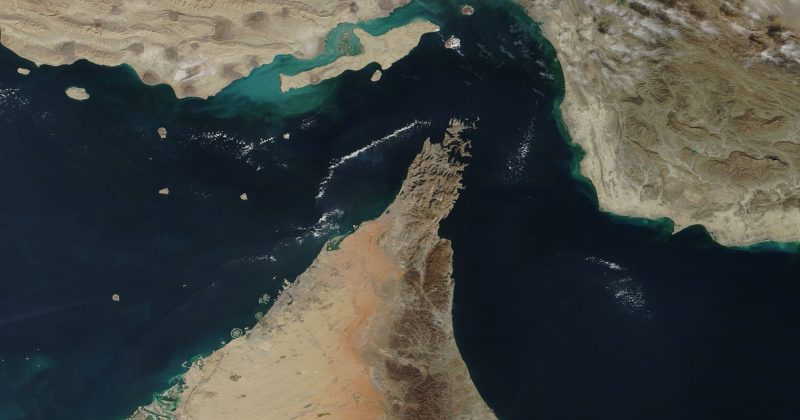
Geopolitical Twist: Iran Proposes Bitcoin and Stablecoin Tolls in Strait of Hormuz Ceasefire Talks
This proposal highlights the growing influence of crypto assets in high-stakes international relations and maritime logistics. By leveraging Bitcoin and stablecoins for critical infrastructure fees, the move could bypass traditional banking sanctions and set a precedent for how digital assets function within the framework of global commodity trade.

Geopolitical Shockwave: Russia Strikes Kyiv and Civilian Cargo Ship in Black Sea
Beyond the immediate tactical strikes, the strategic implications of potential territorial shifts, including the movement toward Druzhkivka, present long-term risks. The disruption of Black Sea maritime routes and the continued targeting of urban centers serve as critical catalysts for market shifts, potentially driving demand for decentralized assets amidst heightened global instability.
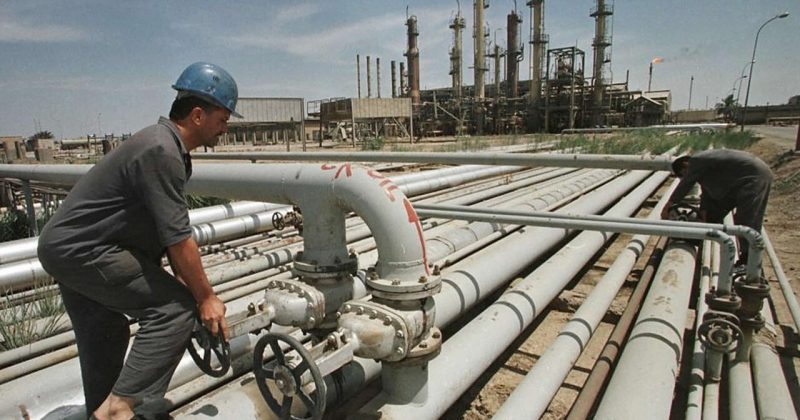
Oil Geopolitics Shift: Iraq and Syria Strike Deal to Bypass Strait of Hormuz
By establishing this corridor, Iraq aims to significantly reduce its reliance on the Strait of Hormuz, a major global choke point. This shift in energy logistics not only enhances Iraq's export security but also introduces a new variable in the geopolitical stability of the Middle East and global energy markets.

Ukraine Escalation: 12 Civilians Killed in Zaporizhzhia Attack Amid Russian Retaliation
As the battlefield shifts, strategic projections suggest a prolonged struggle, with some analysts weighing the possibility of Russian forces entering Sloviansk by late 2026. The continuous cycle of strikes and military maneuvers underscores the volatile nature of the ongoing war and its unpredictable impact on global security.

Geopolitical Escalation: Iran Conflict Spreads to Red Sea and Caspian Sea
Market analysts are closely watching the Strait of Hormuz, where traffic normalization is projected by August 31 with a 14.5% probability. This escalating tension serves as a major macro driver, potentially triggering volatility across traditional finance and the cryptocurrency markets as investors react to heightened regional risks.

Robert Kiyosaki Warns: 'Bankrupt' US Economy Could Wipe Out Investors in Global Crash
This systemic risk is driven by skyrocketing national debt, weakening bonds, and the rapid economic ascent of China. Furthermore, the intersection of AI-driven layoffs and deepening financial fragility suggests that the traditional economic pillars are under unprecedented stress, leaving little room for error in modern portfolio management.
