Anthropic CEO Rejects Open-Weight AI Ban Amid Escalating U.S.-China Tensions

Anthropic CEO Dario Amodei has voiced strong opposition to potential bans on open-weight AI models. As geopolitical friction intensifies, Amodei warns that restricting access to these foundational technologies could inadvertently fuel authoritarian misuse and stifle global innovation.
The clash between AI regulation and technological freedom is intensifying within the context of the U.S.-China competition. By advocating for open-weight models, Anthropic highlights a critical dilemma: how to balance security concerns with the need for transparent, decentralized artificial intelligence development in a fractured geopolitical landscape.
Anthropic CEO Dario Amodei is opposing a ban on open-weight AI models, citing significant risks tied to authoritarian misuse and the ongoing U.S.-China technological competition. Amodei argues that instead of securing the future, restrictive policies could undermine the very innovation required to maintain a competitive edge.
This is a summarized and adapted version by Artificial Intelligence. To read the complete original story, visit the official source.
Read Full Article at Blockchain.newsSupport Jornal Bitcoin
Independent journalism, curated by AI, no clickbait. Keep the flame alive with any amount of BTC.
jonata@walletofsatoshi.comDaily Crypto Brief 📬
Subscribe to receive the curation of the most important Bitcoin and crypto news, summarized by AI. No spam.
Join more than 10,000 smart readers.
Related News

Digital Asset Surge: Seven Fintechs Enter Zimbabwe’s Regulatory Sandbox to Test Tokenization
This regulatory milestone is set to catalyze the adoption of crowdfunding and tokenization services within the country's financial ecosystem. By fostering a controlled environment for innovation, Zimbabwe is actively building the infrastructure necessary to support the growing traction of tokenized assets and blockchain-driven finance in the African market.

Brent Oil Drops 1%: EV Adoption and Impending Surplus Threaten Energy Markets
This decline serves as a critical indicator of the broader energy transition, where the rise of electric vehicles directly challenges long-term fossil fuel demand. As the market faces a potential surplus, the interplay between decarbonization efforts and supply chain stability will become a primary driver for global economic volatility.
The Death of Crypto VC? Dragonfly Partner Predicts Extinction by 2030
As the industry matures, capital is expected to pivot toward high-growth sectors such as artificial intelligence, stablecoins, and fintech. This evolution poses a significant challenge to early-stage crypto innovation, potentially forcing a total redesign of how startups secure the necessary funding to scale in a post-VC era.
Wall Street Expansion: Kakao Pay Partners with Siebert to Launch Tokenized Korean Stocks in the US
This partnership represents a significant milestone in the integration of traditional brokerage infrastructure with blockchain-driven efficiency. By leveraging Siebert's U.S. presence, the K-Stock Global Gateway aims to bridge the gap between Eastern and Western markets, driving global liquidity through the power of tokenized securities.
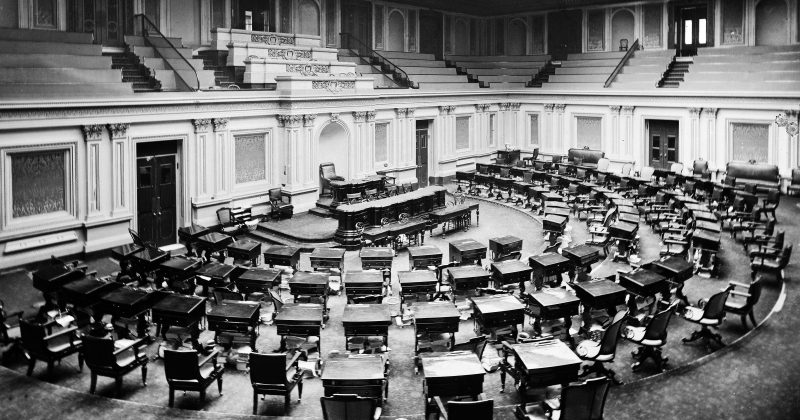
Regulatory Limbo: US Senate Delays Crypto Clarity Act, Threatening Market Growth
As the bill's future remains uncertain, the lack of a clear legal framework poses a significant risk to long-term stability. Without these much-needed guidelines, the crypto ecosystem faces a period of stagnation, hindering the seamless integration of blockchain technology into mainstream finance.

Legal Landmark: Kalshi and Polymarket Secure Injunction Against Minnesota Prediction Market Ban
Beyond the immediate relief for these platforms, the injunction underscores the escalating tension between state and federal authority regarding market oversight. This ruling is expected to set a critical precedent, potentially influencing how future regulations are drafted and how federal law interacts with state-imposed limitations on prediction markets and digital asset trading.
