Celsius Fallout: Co-founders Ordered to Pay Over $6M to FTC

Former Celsius co-founders Shlomi Daniel Leon and Hanoch “Nuke” Goldstein have been ordered to pay over $6 million to settle FTC charges regarding the misrepresentation of platform safety. The legal action targets the executives for allegedly misleading users about the security of the Celsius lending platform prior to its catastrophic collapse.
This settlement intensifies the legal repercussions following the 2022 bankruptcy of Celsius, which left users with $4.7 billion in losses. By adding to the $10 million settlement previously reached with former CEO Alex Mashinsky, this ruling underscores the ongoing regulatory crackdown on crypto lending platforms and the accountability of high-level executives.
Goldstein, the firm’s former CTO, was ordered to pay $2.014 million under an order signed by US District Judge Denise Cote. Leon, the former chief strategy officer, was ordered to pay $4.1 million. These settlements extend the fallout from the 2022 collapse beyond former CEO Alex Mashinsky, who settled for $10 million in April. At its peak, the crypto lending platform held $25 billion in assets but owed users $4.7 billion when it filed for bankruptcy in July 2022.
This is a summarized and adapted version by Artificial Intelligence. To read the complete original story, visit the official source.
Read Full Article at CoinTelegraphSupport Jornal Bitcoin
Independent journalism, curated by AI, no clickbait. Keep the flame alive with any amount of BTC.
jonata@walletofsatoshi.comDaily Crypto Brief 📬
Subscribe to receive the curation of the most important Bitcoin and crypto news, summarized by AI. No spam.
Join more than 10,000 smart readers.
Related News

Justice Department Warning: Could the CLARITY Act Cripple Crypto Money Laundering Prosecutions?
Experts fear that the CLARITY Act could complicate ongoing and future money laundering cases by creating procedural hurdles for investigators. The potential impact is significant: if the act limits the tools available to track illicit flows, it may inadvertently provide a shield for bad actors operating within the digital asset market.

Ethereum ETF Inflows Hit 3-Day Streak: BlackRock Counteracts Fidelity Outflows
This tug-of-war between major financial institutions highlights a shifting landscape in crypto adoption. The ability of BlackRock to stabilize the market against Fidelity's outflows suggests that institutional demand for Ethereum remains resilient, providing a critical buffer against broader market volatility and capital flight.
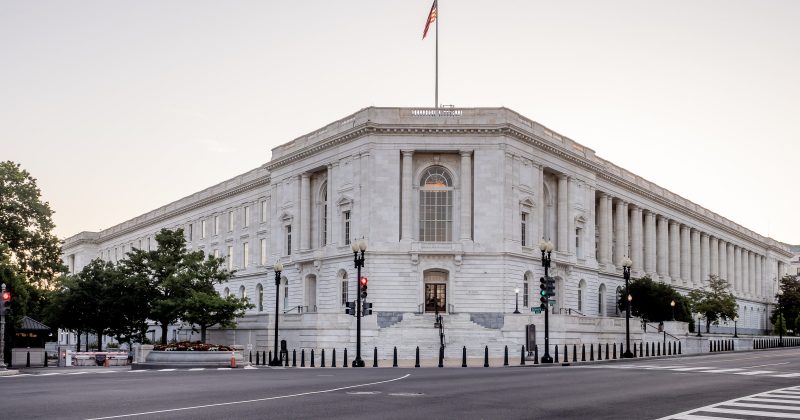
US Senate Drops Full Crypto Market Structure Bill: A Game Changer for Digital Assets?
As the market digests this news, Bitcoin continues to show strength, hovering near the $68K mark. The impact of this bill cannot be overstated; it could pave the way for massive institutional inflows and set a global standard for how decentralized finance and digital securities are integrated into the mainstream economy.
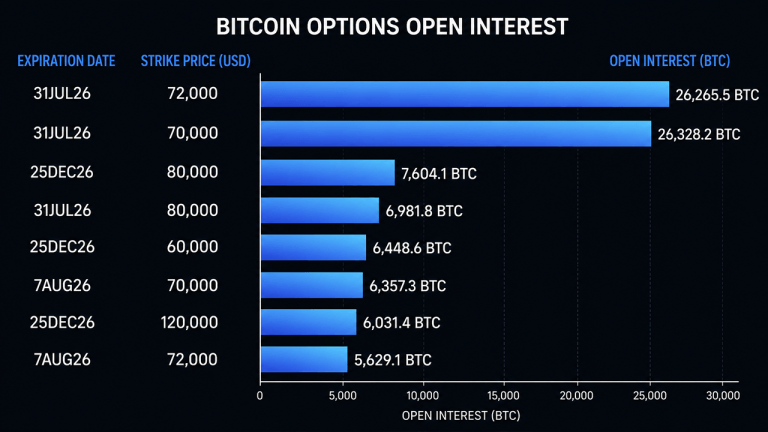
Bitcoin Options Go Bullish: Massive $49B Surge as Traders Target $72K and $80K
The scale of this activity, spanning from regulated CME pits to high-volume Binance order books, highlights a significant divergence in market behavior. While institutional players lean into bullish calls, the broader market dynamics suggest a massive buildup of leverage that could trigger significant price action as Bitcoin approaches these key psychological resistance levels.

Geopolitical Alert: Iran Activates Air Defenses in Tehran Amid US Strikes
With reports suggesting a potential full airspace closure by July 31, the risk of a broader regional conflict is intensifying. The implications for global stability and market volatility are profound, as such high-stakes military maneuvers often trigger massive shifts in investor sentiment and liquidity flows.

Permanent Ban: Celsius Founders Face Crypto Restrictions Exceeding $16.5M Obligations
The financial fallout from these bans could far exceed the $16.5 million in obligations currently facing the founders. By prohibiting assisted activities and various financial product promotions, the court is setting a precedent for how regulatory consequences can escalate beyond simple monetary settlements in the wake of platform collapses.
