Kazakhstan's Bold Move: Miners Must Hand Over Crypto to State Reserve for Power Access

Kazakhstan is fundamentally restructuring its position as a global crypto powerhouse. Under a newly approved government framework, large-scale miners will now be required to transfer a portion of their mined digital assets to a state-backed reserve in exchange for access to regulated electricity tariffs.
This strategic shift, formalized through Government Resolution No. 638, aims to bolster the nation's digital asset holdings via the Astana Hub technology cluster. While the move secures a national crypto reserve, it creates a high-stakes environment for Bitcoin miners who must now balance operational costs against mandatory state contributions.
Kazakhstan, one of the world’s largest Bitcoin mining hubs, has approved a new framework for large-scale crypto mining that links electricity access to contributions for a state-backed digital asset reserve. The government approved these rules for 'strategic digital mining' on July 18, as reported by Zakon.kz.
The new regulations define strategic digital mining as a system where miners gain access to electricity quotas at regulated tariffs by transferring a percentage of their mined crypto assets to the Astana Hub, a government-backed technology cluster. This move directly integrates the mining industry into the country's national economic strategy.
This is a summarized and adapted version by Artificial Intelligence. To read the complete original story, visit the official source.
Read Full Article at CoinTelegraphSupport Jornal Bitcoin
Independent journalism, curated by AI, no clickbait. Keep the flame alive with any amount of BTC.
jonata@walletofsatoshi.comDaily Crypto Brief 📬
Subscribe to receive the curation of the most important Bitcoin and crypto news, summarized by AI. No spam.
Join more than 10,000 smart readers.
Related News

Wall Street Giant: Goldman Sachs CEO Backs Clarity Act to Define Crypto Market Structure
By advocating for the CLARITY Act, Solomon is signaling that the bridge between traditional finance and digital assets requires a robust legal framework. This endorsement could pave the way for increased institutional liquidity and a more stable environment for crypto market participants worldwide.
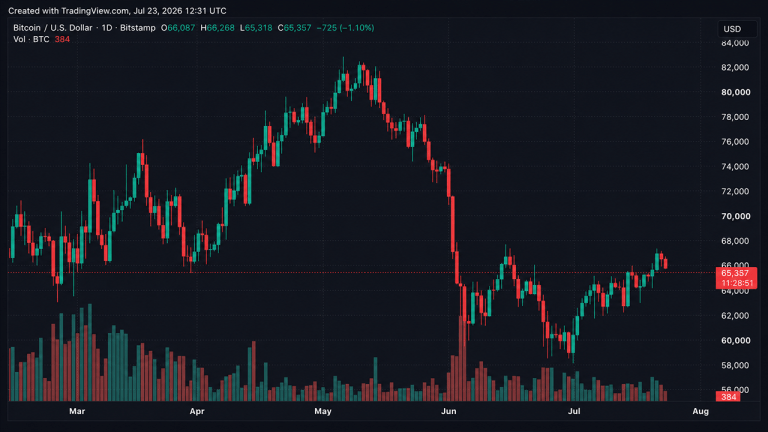
Cryptoquant Founder Issues Warning: Bitcoin Spot Demand Fading Amid Steady Futures Trading
This widening gap between spot and futures demand suggests that the recent upward momentum may lack the underlying buying pressure needed for a sustained breakout. As the leading cryptocurrency trades within a tight range, investors are closely monitoring whether this shift in demand will lead to increased volatility or a deeper correction.

UN Warning: Southeast Asian Scam Networks Drain $114B Annually via Crypto
Central to this evolution is the increasing reliance on crypto to fuel these illicit operations. The UNODC warns that the integration of digital assets into these syndicates has streamlined the movement of stolen funds, making the fight against crypto-enabled fraud and global money laundering more complex than ever before.

Bitget Goes Global: Crypto Exchange Secures Key Financial License in New Zealand
This regulatory milestone empowers Bitget to deploy a sophisticated suite of services, including foreign currency exchange, cross-border money transfers, and professional client asset custody. As the platform expands its portfolio and money management capabilities, this move signals a major push toward mainstream legitimacy and regulatory compliance in the global crypto landscape.

Google's Massive AI Spending Spree Triggers Technical Warning and Crypto Ripple Effects
Investors should look beyond the Nasdaq, as the consequences of this massive capital reallocation are expected to ripple through the crypto ecosystem. Specifically, the shift in liquidity and market sentiment poses a potential threat to Bitcoin miners, as the intense competition for capital and energy resources intensifies.
Drone Attack Hits Kuwait-Iraq Border: Geopolitical Tensions Surge in Middle East
Beyond the immediate damage, the geopolitical implications are profound as risk models suggest a rising probability of Iranian intervention. With projections indicating a potential invasion risk climbing toward 5.9% by late August, the intersection of Middle East instability and global market volatility remains a primary concern for macro investors.
