Cardano Breakthrough: Smart Contracts Now Verify Thousands of Signatures On-Chain at Minimal Cost

Cardano has reached a major technical milestone that significantly enhances its network efficiency. By upgrading its smart contracts, the blockchain can now execute the verification of thousands of signatures on-chain, providing high-level security while maintaining low operational costs.
This development is poised to reshape the landscape for DeFi and multi-signature platforms within the Cardano ecosystem. By lowering the barrier to entry for complex on-chain computations, the network is actively fostering developer trust and driving mass adoption of decentralized protocols.
Cardano's smart contract capabilities have received a massive upgrade. The network can now verify thousands of signatures on-chain at a remarkably low cost, optimizing how complex cryptographic proofs are handled. This technical leap addresses one of the primary hurdles in blockchain scalability: the cost of computational verification.
This enhancement is expected to boost developer trust and accelerate ecosystem adoption. The implications are particularly significant for DeFi platforms and multi-signature protocols, positioning Cardano as a highly efficient environment for secure, large-scale decentralized applications.
This is a summarized and adapted version by Artificial Intelligence. To read the complete original story, visit the official source.
Read Full Article at Crypto BriefingSupport Jornal Bitcoin
Independent journalism, curated by AI, no clickbait. Keep the flame alive with any amount of BTC.
jonata@walletofsatoshi.comDaily Crypto Brief 📬
Subscribe to receive the curation of the most important Bitcoin and crypto news, summarized by AI. No spam.
Join more than 10,000 smart readers.
Related News

2026 World Cup Drama: The Massive Crypto Sideshow Taking Over the Pitch
However, the long-term impact of this integration remains a subject of intense debate among industry experts. While the hype surrounding the 2026 World Cup provides a perfect stage, the true test will be whether blockchain in sports can maintain its momentum and sustainability once the tournament concludes.
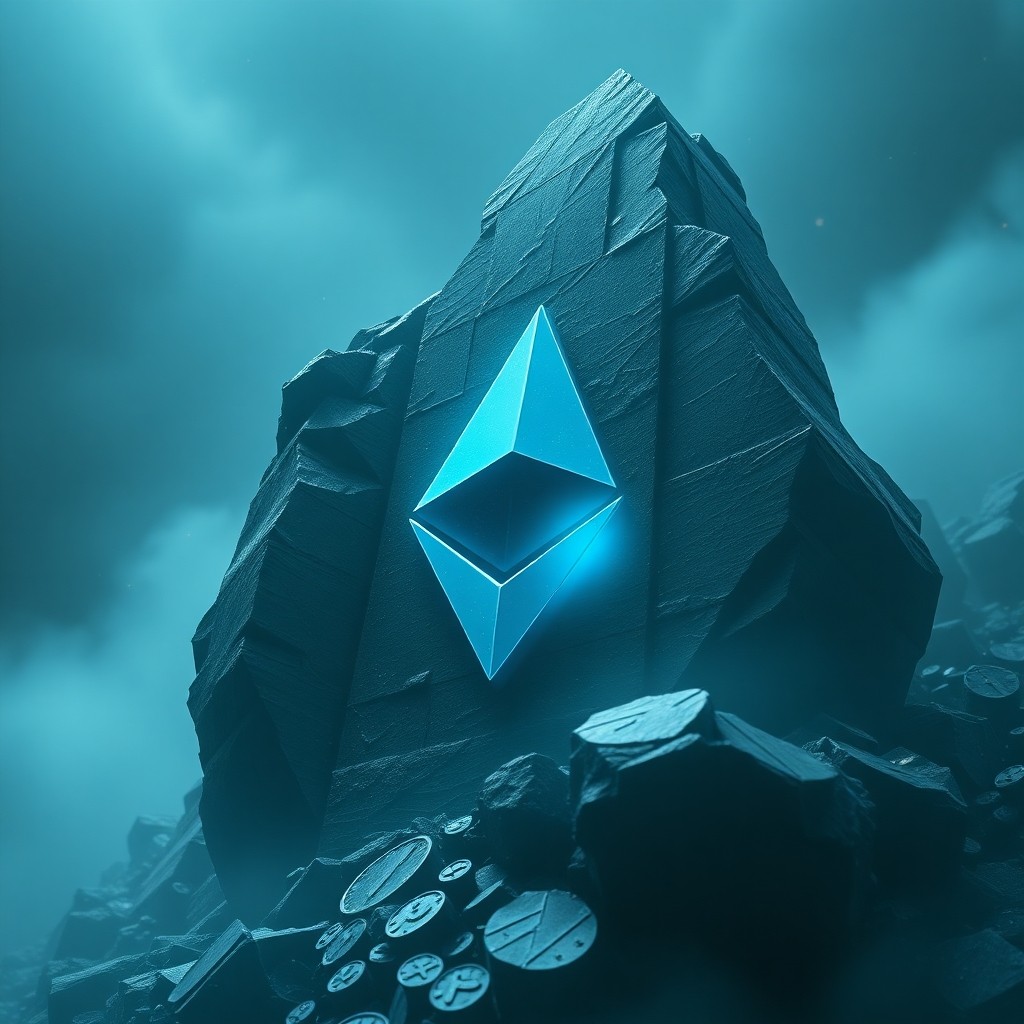
‘The Worst Is Still Ahead’: Analyst Predicts Another Brutal Ethereum Crash
However, a counter-narrative is emerging among market observers who challenge this pessimistic thesis. Some experts suggest that ETH might have already found its bottom during this cycle, pointing toward a potential recovery that could signal the end of the current downtrend.

US Senate Unanimously Declares Sam Bankman-Fried Should Never Receive a Presidential Pardon
While the resolution lacks binding legal authority, its unanimous nature carries significant political weight and sets a clear precedent for the crypto industry. By targeting the possibility of executive clemency, the Senate is reinforcing the necessity of accountability and ensuring that the fallout from the FTX scandal remains a cornerstone of discussions regarding regulation and justice in the digital asset space.
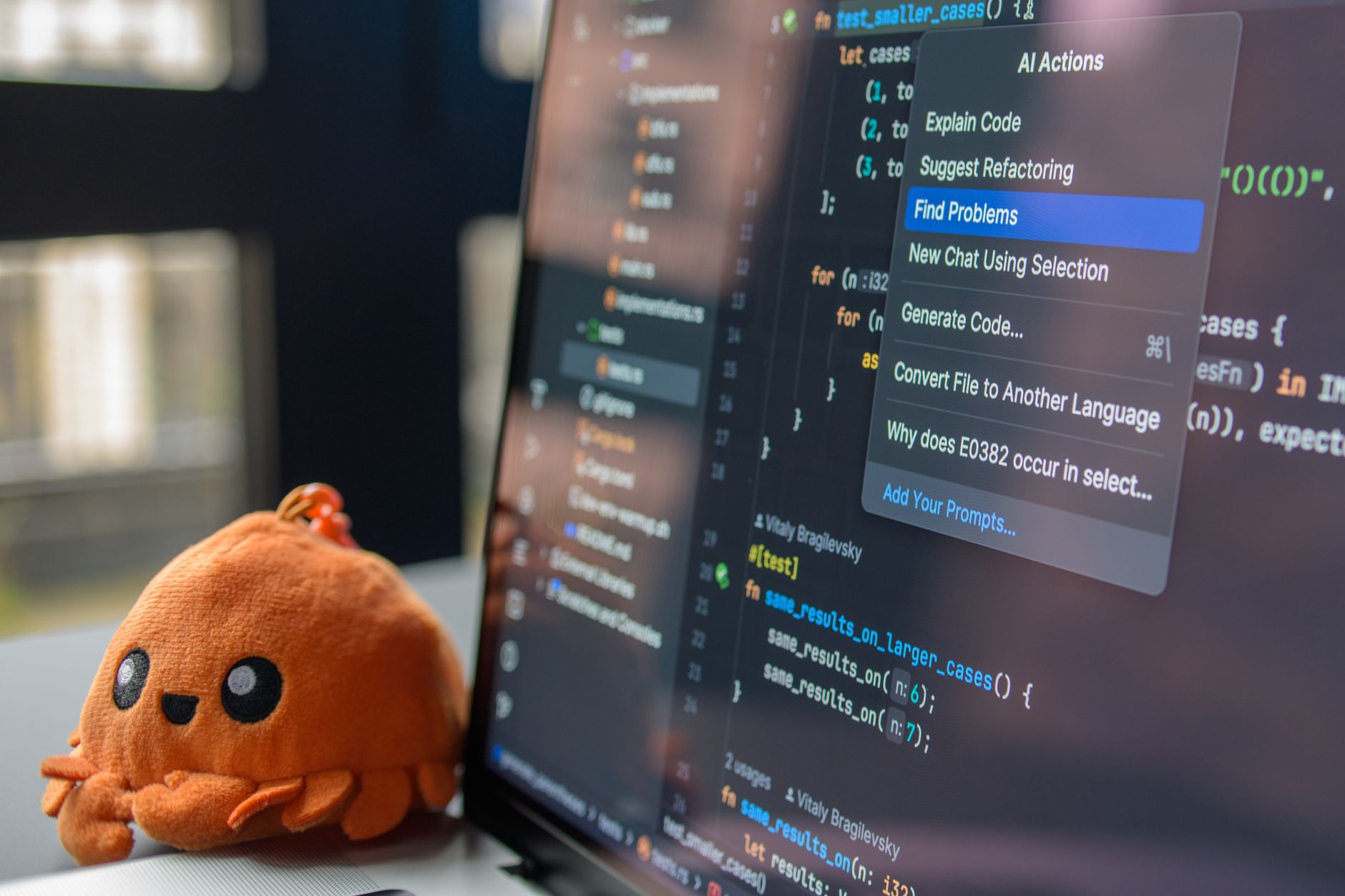
Coding Without Code: How 'Vibecoding' is Disrupting the Brazilian Developer Scene
In Brazil, the adoption of this trend is surging among startups, independent developers, and even blockchain projects. By leveraging AI-driven development, these players are significantly reducing time-to-market and lowering the technical barriers to entry for complex digital innovations.
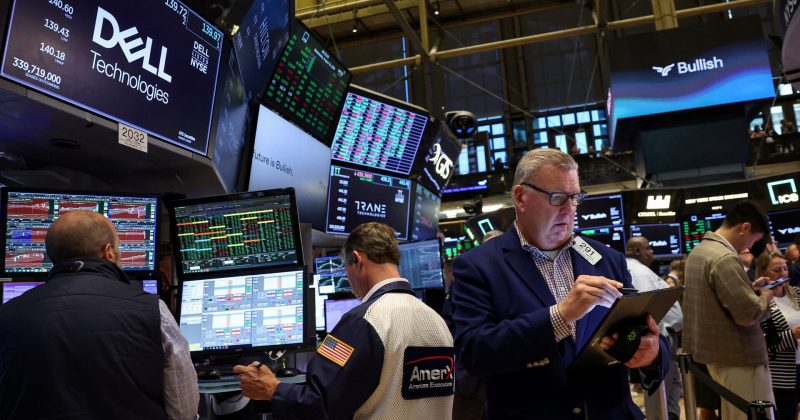
Market Alert: Surging Treasury Yields Drag Down S&P 500 and Nasdaq
This trend poses a direct challenge to growth stocks and the crypto market, as higher risk-free rates diminish the appeal of volatile assets. As the probability of Fed rate cuts fades, the liquidity that typically fuels crypto and tech sectors faces significant headwinds, driving a rotation toward safer, yield-bearing government securities.
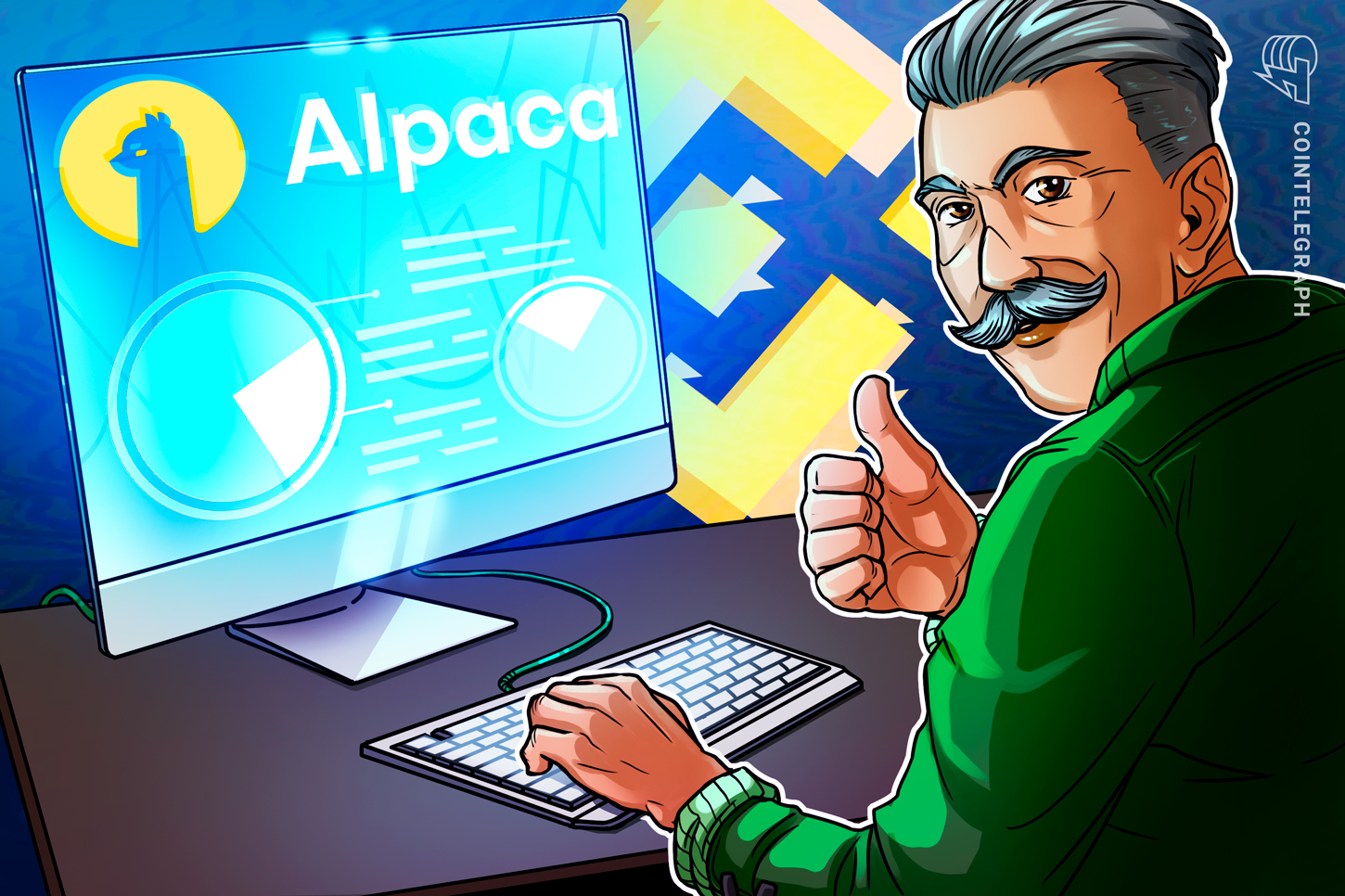
Alpaca Secures $135M to Fuel the Rise of AI Agents and Tokenized Markets
Bolstered by up to $300 million in debt financing from BMO and Payward (the parent company of Kraken), Alpaca is rapidly bridging the gap between DeFi and TradFi. Following a Series D round that pushed its valuation to $1.15 billion, the fintech is now poised to lead the charge as institutional players aggressively pursue onchain business models.
