VAR Chaos: Why the 2026 World Cup Could Disrupt Sports Betting Markets

The unpredictability of VAR decisions during the 2026 World Cup is creating unprecedented uncertainty for bettors worldwide. This intel brief highlights how technological controversies are reshaping sports betting markets, making traditional predictive models increasingly unreliable and volatile.
This shift reflects broader systemic challenges regarding the integration of sports technology. As officiating tools evolve, the resulting volatility in betting markets forces a reevaluation of risk management, as the intersection of technology and human error becomes a primary driver of market instability.
The VAR controversies surrounding the 2026 World Cup are highlighting why sports betting markets are becoming increasingly difficult to predict. The inherent unpredictability of video assistant decisions complicates market dynamics, reflecting broader challenges in the integration of sports technology. As technology becomes more central to the game, the friction between automated precision and human interpretation creates new layers of volatility that traders and bettors must navigate.
This is a summarized and adapted version by Artificial Intelligence. To read the complete original story, visit the official source.
Read Full Article at Crypto BriefingSupport Jornal Bitcoin
Independent journalism, curated by AI, no clickbait. Keep the flame alive with any amount of BTC.
jonata@walletofsatoshi.comDaily Crypto Brief 📬
Subscribe to receive the curation of the most important Bitcoin and crypto news, summarized by AI. No spam.
Join more than 10,000 smart readers.
Related News
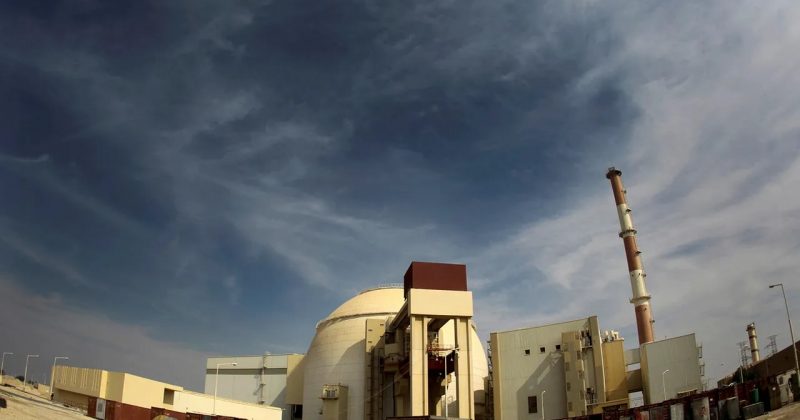
Explosions in Iran's Bushehr: Escalating US-Israel Tensions Hit a Breaking Point
Beyond the immediate security concerns, these explosions could severely impact market confidence and global economic stability. As geopolitical risks rise, the uncertainty surrounding Middle East peace prospects is likely to drive volatility across major financial sectors, forcing investors to reassess their risk exposure in a rapidly changing landscape.
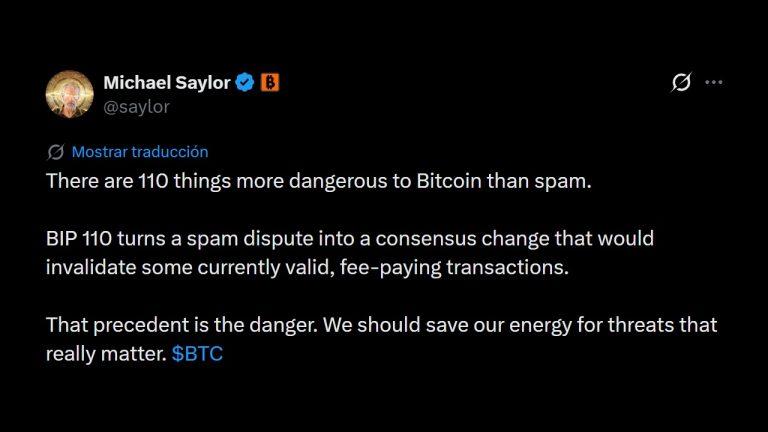
‘110 Things More Dangerous’: Michael Saylor Slams Bitcoin’s Controversial Anti-Spam Fork
By targeting a problem he claims is not currently a threat to the Bitcoin network, Saylor suggests that the implementation of BIP-110 could introduce unnecessary volatility and risk. The core of his argument rests on the idea that protecting the network from non-existent spam should not come at the cost of transaction certainty and protocol stability.
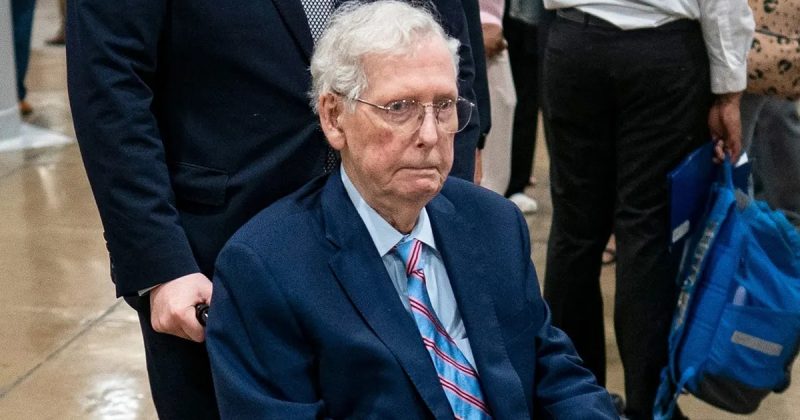
Senate Shakeup? McConnell Health Speculation Intensifies Amid Absence
Beyond the immediate political fallout, McConnell's health status carries significant implications for legislative priorities and long-term governance. Any sudden change in leadership could reshape the legislative landscape, impacting everything from regulatory frameworks to broader economic policy stability.

Geopolitical Alert: US Capable of Seizing Control of Strait of Hormuz if Trump Decides, says Gen. McKenzie
Such a move has the potential to destabilize global energy markets and heighten geopolitical risks to critical levels. Tensions in the Strait of Hormuz do not merely affect regional security; they directly impact economic volatility and international relations, creating a high-stakes environment for both traditional markets and the broader global economy.
The AI Factor: Fed Rate Hike Odds Plunge on Polymarket Following Inflation Warnings
The Fed highlighted that tariffs and 'AI-related price pressures'—driven by massive demand for AI infrastructure and energy—are key drivers of potential cost increases. This shift underscores how the AI revolution is no longer just a tech story, but a fundamental driver of global macroeconomic stability and inflation expectations.
Polymarket Predicts Near-Certainty: Keir Starmer's Leadership Odds Hit 98.5% Through 2027
However, the broader geopolitical landscape remains volatile, as evidenced by recent HarrisX polling data. While Polymarket shows dominance for Starmer, shifting voter intentions and midterm voting trends in the US suggest that the intersection of political sentiment and market speculation remains a high-stakes arena for global investors.
