Oil Market Chaos: Trump’s Iran Comments Trigger Massive Volatility
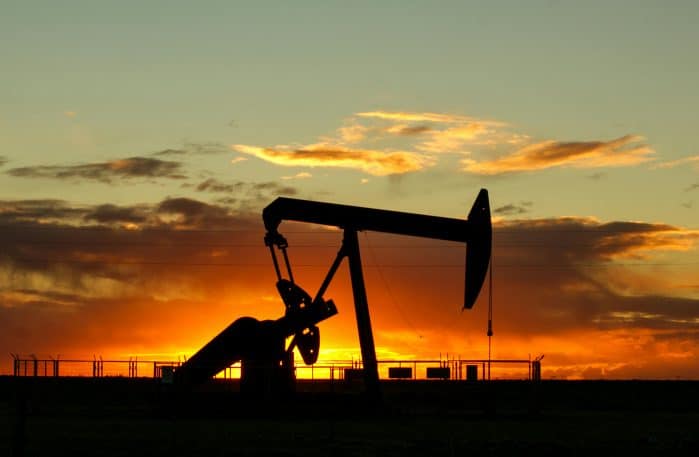
Oil prices are swinging wildly following provocative comments from Donald Trump regarding Iran and the strategic Strait of Hormuz. This geopolitical friction is driving significant volatility in crude oil markets, forcing traders to reassess global energy security risks.
Market intelligence suggests a looming spike, with data pointing toward a potential new all-time high for crude oil by September 30. The heightened tension in the Strait of Hormuz remains the primary driver for this projected surge, marking a critical period for energy commodity speculators.
Oil prices are reacting sharply to Donald Trump's comments concerning Iran and escalating concerns over the Strait of Hormuz. The geopolitical tension is fueling significant volatility across energy markets. Current projections suggest a 7.4% chance of crude oil hitting a new all-time high by September 30, as investors brace for potential supply disruptions in the Middle East.
This is a summarized and adapted version by Artificial Intelligence. To read the complete original story, visit the official source.
Read Full Article at Crypto BriefingSupport Jornal Bitcoin
Independent journalism, curated by AI, no clickbait. Keep the flame alive with any amount of BTC.
jonata@walletofsatoshi.comDaily Crypto Brief 📬
Subscribe to receive the curation of the most important Bitcoin and crypto news, summarized by AI. No spam.
Join more than 10,000 smart readers.
Related News
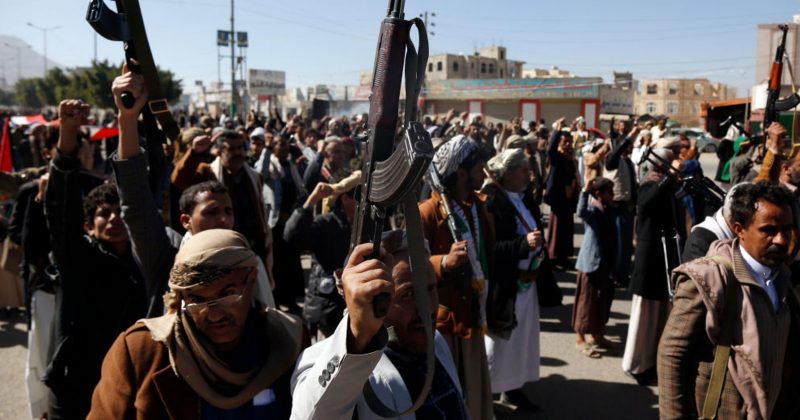
US Halts Nightly Iran Airstrikes Amid Escalating Houthi-Saudi Clashes
As geopolitical instability fluctuates, the impact on global markets remains a primary concern for institutional players. The interplay between Middle East conflicts and global economic stability is a critical factor that could drive sudden shifts in risk appetite across both traditional and digital asset classes.
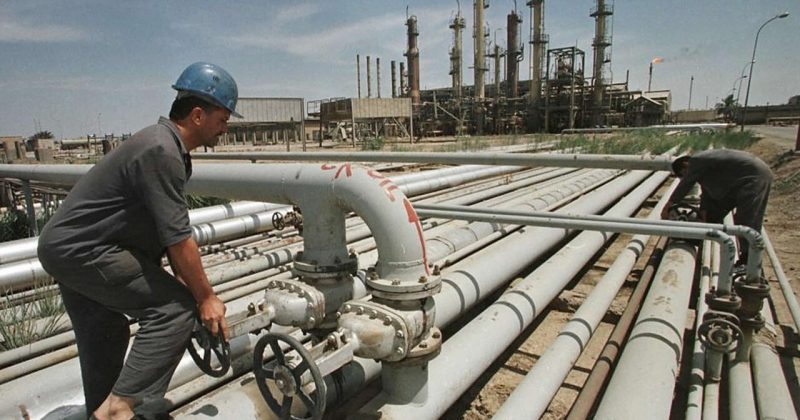
Oil Geopolitics Shift: Iraq and Syria Strike Deal to Bypass Strait of Hormuz
By establishing this corridor, Iraq aims to significantly reduce its reliance on the Strait of Hormuz, a major global choke point. This shift in energy logistics not only enhances Iraq's export security but also introduces a new variable in the geopolitical stability of the Middle East and global energy markets.
Ukraine Escalation: 12 Civilians Killed in Zaporizhzhia Attack Amid Russian Retaliation
As the battlefield shifts, strategic projections suggest a prolonged struggle, with some analysts weighing the possibility of Russian forces entering Sloviansk by late 2026. The continuous cycle of strikes and military maneuvers underscores the volatile nature of the ongoing war and its unpredictable impact on global security.

Oracle Lands $7B Pentagon Deal Amid Stock Slump: A Red Flag for Tech Valuations?
This divergence between fundamental contract wins and stock performance is sparking intense debate regarding tech sector valuations and market sentiment. The situation highlights a growing tension between long-term government revenue stability and the immediate volatility affecting high-growth technology stocks.
Geopolitical Escalation: Iran Conflict Spreads to Red Sea and Caspian Sea
Market analysts are closely watching the Strait of Hormuz, where traffic normalization is projected by August 31 with a 14.5% probability. This escalating tension serves as a major macro driver, potentially triggering volatility across traditional finance and the cryptocurrency markets as investors react to heightened regional risks.
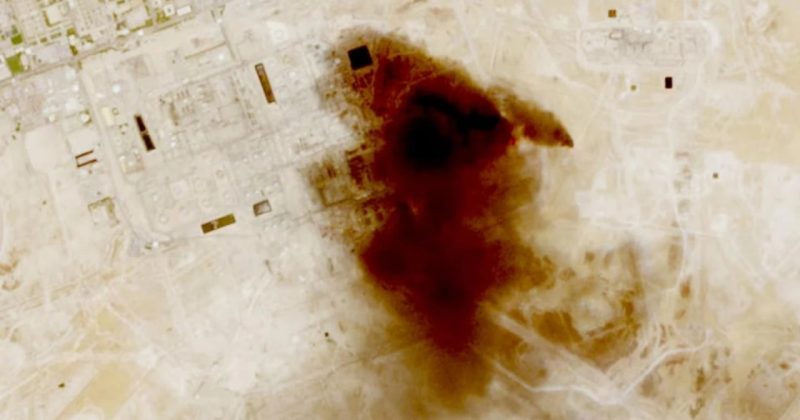
Geopolitical Firestorm: Saudi Aramco Blaze and Trump's Military Halt Trigger Ceasefire
Speculation is mounting regarding the long-term stability of the region, with aggressive forecasts predicting the fall of the Iranian regime by the end of 2026. As military operations halt and energy infrastructure faces threats, the intersection of geopolitical risk and global liquidity remains a critical focal point for institutional investors.
