Oil Chaos: US-Iran Conflict Drives Brent to $92, Threatening Global Inflation

Military escalation between US forces and Iran has reached a critical tipping point, pushing Brent crude oil toward the $92 per barrel mark. This geopolitical shock, fueled by intensifying combat, is disrupting global energy supply chains and creating immediate volatility in the commodities market.
As tanker traffic continues to plummet and WTI surges past $84, the macroeconomic implications are profound. The primary concern for markets is that rising energy costs could fuel persistent inflation, potentially forcing the Federal Reserve to delay much-anticipated interest rate cuts.
Brent crude rose near $92 per barrel on Tuesday as intense combat between U.S. forces and Iran stretched into its tenth day. WTI has surged past $84—a rise of over 20% since U.S.-Iran hostilities resumed—threatening to drive higher inflation and delay Federal Reserve rate cuts.
The military escalation is hitting critical infrastructure, with tanker traffic seeing a significant decline. As the global benchmark reacts to the heightened geopolitical tension, the risk of a prolonged inflationary period remains a central concern for global economic stability.
This is a summarized and adapted version by Artificial Intelligence. To read the complete original story, visit the official source.
Read Full Article at Bitcoin.comSupport Jornal Bitcoin
Independent journalism, curated by AI, no clickbait. Keep the flame alive with any amount of BTC.
jonata@walletofsatoshi.comDaily Crypto Brief 📬
Subscribe to receive the curation of the most important Bitcoin and crypto news, summarized by AI. No spam.
Join more than 10,000 smart readers.
Related News
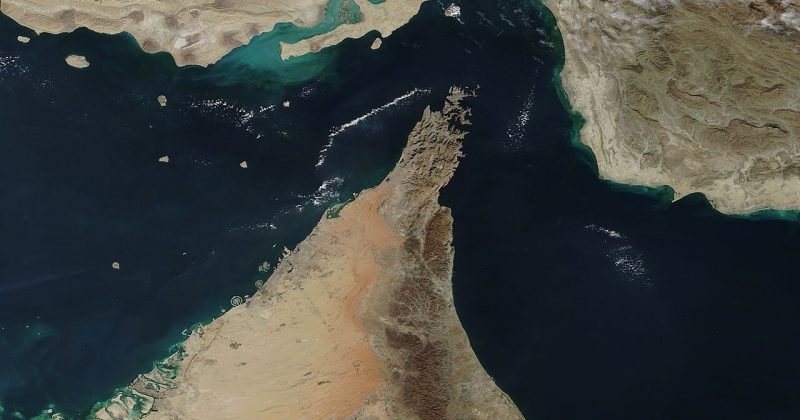
Geopolitical Tension: US Remains Open to Iran Talks Amid Energy Chokepoint Disruptions
Market volatility is expected to spike as discussions evolve, particularly with attention focused on the potential end of the Iranian blockade by August 2026. The disruption of critical energy chokepoints remains a primary concern for investors, who are closely monitoring how these diplomatic tensions will influence global liquidity and economic stability.
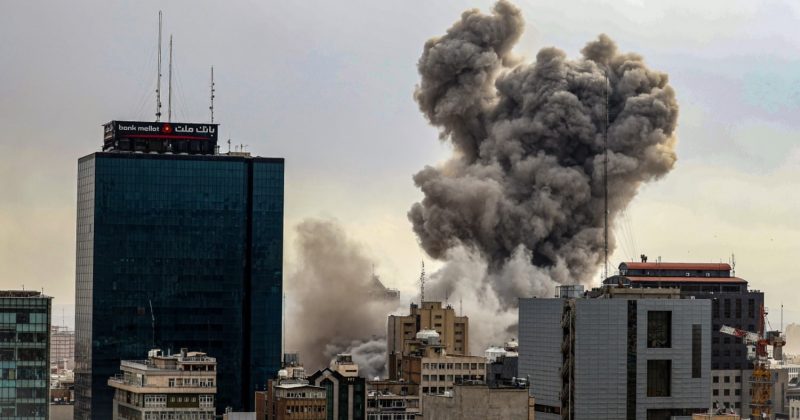
Middle East Escalation: Iranian Drones Strike U.S. Army Equipment in Kuwait
Beyond the immediate battlefield, this strike on U.S. military assets could trigger massive volatility across global markets and the crypto sector, as investors react to heightened geopolitical instability. The deployment of Iranian drones in a strategic corridor underscores the growing unpredictability of the Middle East and its potential to disrupt international security and energy flows.

Chaos in Russia and Crimea: Ukrainian Attacks Trigger Fires and Power Outages
Beyond the immediate tactical damage, these developments fuel long-term geopolitical forecasting, including a calculated 8.5% probability that Ukraine could recapture Crimea by December 31, 2026. As the conflict intensifies, the potential for prolonged instability continues to shape global risk assessments and market sentiment.
Geopolitical Shockwave: Trump Vows to Strike Iranian Nuclear Facilities Amid Rising Middle East Tensions
This escalation in tensions is expected to trigger widespread uncertainty across global financial markets and the crypto sector. As investors brace for potential conflict, the focus shifts to how geopolitical instability will drive capital flows toward safe-haven assets and impact overall market liquidity.
Middle East Escalation: Iran Strike Kills US Soldier in Jordan, Pentagon Confirms
With a full airspace closure looming by August 31, the implications for global logistics and market stability are profound. As geopolitical risk surges, the crypto market and traditional financial sectors must brace for increased volatility driven by the potential for a broader military conflict.

Polymarket Odds Surge to 85% for July Fed Hold as Global Inflation Focus Shifts
Simultaneously, the focus is shifting toward the UK CPI release, which could significantly impact Bank of England decisions. Analysts suggest that upcoming inflation data might ease the pressure for further rate hikes in the UK, highlighting how sensitive global policy expectations remain to real-time inflation prints.
