Geopolitical Shockwave: Polymarket Odds for U.S.–Iran Invasion Spike to 22.5%
Prediction market giant Polymarket is seeing massive volatility as odds for a potential U.S.–Iran invasion surged to 22.5%. This sudden spike follows intelligence reports suggesting that Israel is actively preparing for a possible military escalation involving the two nations as early as next week.
As contingency plans are discussed in high-level diplomatic circles, the sudden shift in betting behavior highlights the growing fear of a regional conflict. Investors are closely watching these Polymarket trends to gauge the real-world impact of Middle East tensions on global stability and market sentiment.
Odds for a U.S.–Iran invasion have jumped to 22.5% on the Polymarket prediction platform following reports of heightened regional tensions. According to recent intelligence, Israel is reportedly preparing for the possibility of a major escalation between the U.S. and Iran next week, prompting fresh discussions regarding military contingency plans. The rapid movement in the betting markets underscores the intense scrutiny of the current geopolitical landscape.
This is a summarized and adapted version by Artificial Intelligence. To read the complete original story, visit the official source.
Read Full Article at Blockchain.newsSupport Jornal Bitcoin
Independent journalism, curated by AI, no clickbait. Keep the flame alive with any amount of BTC.
jonata@walletofsatoshi.comDaily Crypto Brief 📬
Subscribe to receive the curation of the most important Bitcoin and crypto news, summarized by AI. No spam.
Join more than 10,000 smart readers.
Related News
Iran Denies Trump’s Claims of American Prisoner Exchange Amid Nuclear Deal Speculation
Adding to the complexity, market indicators suggest a potential final nuclear deal could be reached by August 13, 2026, though currently priced at a low 1.6% probability. Investors should monitor these diplomatic shifts closely as they influence broader macroeconomic stability and risk appetite.
Tehran Billboard Targets Trump: Escalating US-Iran Tensions Reach New Boiling Point
As diplomatic channels remain strained, speculation regarding a potential 2026 US-Iran deal—potentially involving a 26.5% reconstruction funding model—adds a layer of long-term complexity. Investors are closely monitoring these developments, as heightened geopolitical risk often drives capital toward decentralized assets during periods of international unrest.

Fed Rate Cut Drought? Polymarket Odds for Zero Cuts in 2026 Hit 83.8%
Adding to the complexity, geopolitical tensions are reshaping capital flows, particularly regarding China's financial constraints. Investors warn that reliance on U.S. capital and rising frictions in cross-border fundraising could create significant headwinds, further complicating the Federal Reserve's path and the broader economic landscape.

Putin Exit Odds Surge: Polymarket Bets Hit 18.5% for June 2027
As investors turn to blockchain-based platforms to hedge against or speculate on international volatility, the movement in Polymarket odds provides a real-time sentiment analysis of high-stakes leadership transitions. This trend highlights how crypto-native tools are becoming essential for interpreting complex macroeconomic and geopolitical risks.

Iran Conflict Threatens Riyadh’s Cultural Transformation, Warns Former Ambassador
This geopolitical friction creates significant uncertainty for the region's long-term stability and reform trajectory. With a 26.5% probability noted for a potential US-Iran deal by 2026, the immediate risk of conflict remains a critical variable for Riyadh's strategic evolution.
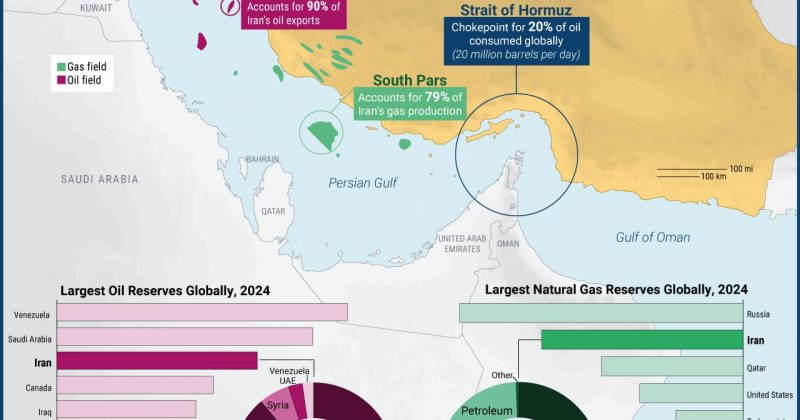
Geopolitical Chaos: US Strikes on Iran Send Bitcoin Sliding to $62K Amid Massive Liquidations
The fallout has been devastating for leveraged positions, triggering approximately $350 million in crypto liquidations. As power outages and geopolitical instability shake investor confidence, the market faces a critical test of resilience amidst this sudden macro shock.
