Chaos in Iran: Explosions and Air Defense Across 14 Cities Fuel Global Tension
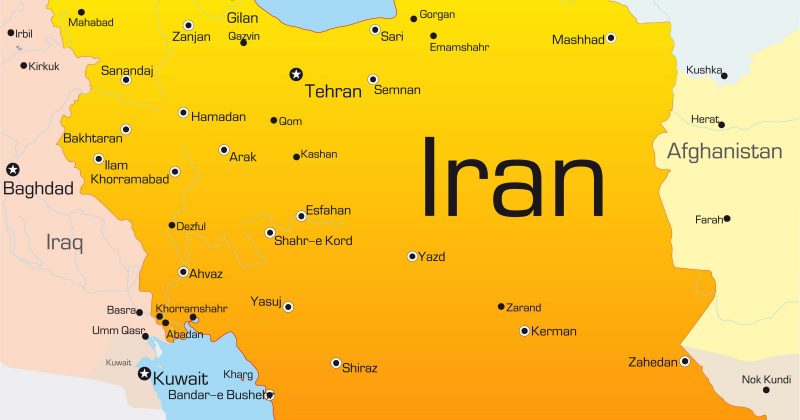
Urgent reports confirm a massive escalation in the Middle East, with explosions and heavy air defense activity reported across 14 Iranian cities. This surge in geopolitical instability is a major driver of market volatility, directly impacting investor sentiment and the broader crypto ecosystem.
With full airspace closure looming by August 31, the logistical and economic consequences could be profound. As the conflict intensifies, the heightened risk profile is forcing a re-evaluation of global stability and the demand for safe-haven assets amidst the ongoing war.
Explosions and air defense activity have been reported across 14 Iranian cities amid the ongoing war. The situation is escalating rapidly, with reports suggesting a full airspace closure by August 31. This heightened state of conflict continues to drive global uncertainty and market sensitivity.
This is a summarized and adapted version by Artificial Intelligence. To read the complete original story, visit the official source.
Read Full Article at Crypto BriefingSupport Jornal Bitcoin
Independent journalism, curated by AI, no clickbait. Keep the flame alive with any amount of BTC.
jonata@walletofsatoshi.comDaily Crypto Brief 📬
Subscribe to receive the curation of the most important Bitcoin and crypto news, summarized by AI. No spam.
Join more than 10,000 smart readers.
Related News
Oil Surges to $100 as Trump Weighs Major Military Action Against Iran
As the threat of military escalation looms, investors are bracing for potential shocks to the energy sector and broader financial markets. The intersection of geopolitical instability and commodity pricing creates a high-risk environment, potentially driving capital shifts across both traditional and digital asset classes.
Trump Threatens to Seize Frozen Iranian Assets for Shipping Damage Claims
The threat coincides with emerging projections regarding a potential US-Iran deal in 2026, which could involve funding for Iranian reconstruction. As market participants weigh the implications of these sanctions-driven tactics, the volatility surrounding frozen assets and international settlements remains a critical factor for global economic stability and risk assessment.
Market Shock: Polymarket Predicts 84% Odds of Zero Fed Rate Cuts in 2026
The shift follows a sharp U.S. stock selloff and a surge in Treasury yields, exacerbated by escalating Middle East conflicts that drove oil prices higher. As fed funds futures adjust to these new realities, the implications for liquidity and risk assets remain a critical focal point for traders worldwide.
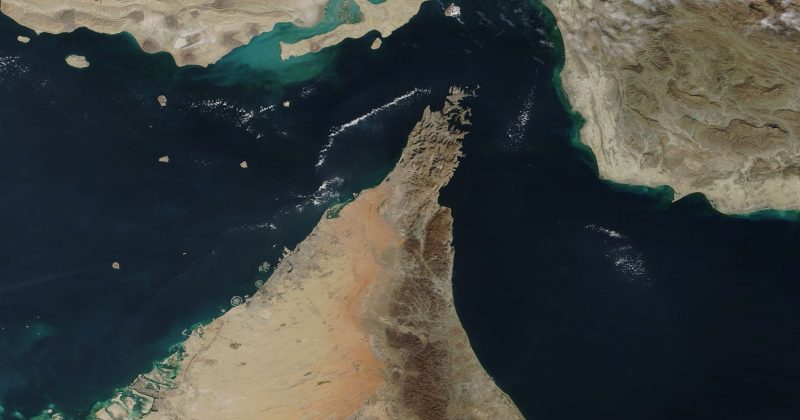
Geopolitical Alert: Hormuz Tanker Traffic Plummets to May Lows Amid US-Iran Friction
While current data suggests a potential normalization of traffic by September 30 at a rate of 21.5%, the underlying geopolitical risk remains a primary driver of market volatility. Investors should prepare for potential ripple effects across global commodities and high-risk asset classes as the situation evolves.
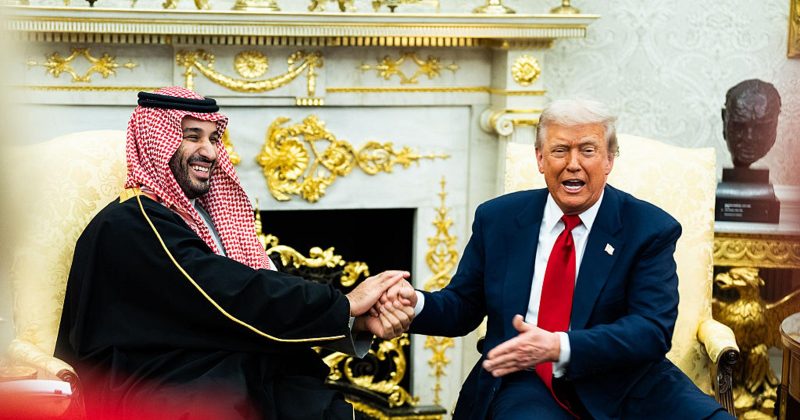
Geopolitical Shockwave: US Reverses Support for Saudi Nuclear Deal
Adding to the complexity, reports suggest that Iranian reconstruction funding could be a key component of a US-Iran deal by 2026, with specific financial frameworks currently under scrutiny. As these high-stakes negotiations evolve, the ripple effects are expected to influence global energy markets and broader macroeconomic stability.
Geopolitical Gambit: Trump Ties Saudi Nuclear Deal to Israel Normalization
The implications of this linkage extend far beyond diplomacy, potentially altering global market stability and geopolitical risk profiles. As the administration pushes for a new regional order, the intersection of Saudi nuclear ambitions and Israeli normalization could redefine international security frameworks and influence long-term economic trends in the energy sector.
