White House Crypto Negotiator Exits Days Before Critical CLARITY Act Senate Vote
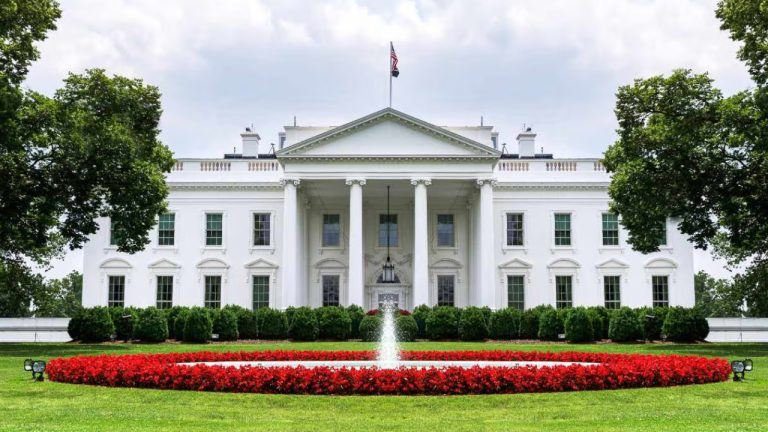
The crypto regulatory landscape has hit a sudden turbulence as Patrick Witt, the White House Crypto Council's lead negotiator for the CLARITY Act, departs his role. This unexpected exit comes just days before a high-stakes Senate floor vote scheduled for July 20, leaving the legislative process in a precarious position.
As Deputy Director Harry Jung takes the reins, the industry is bracing for potential shifts in the bill's momentum. The departure of a key dealmaker at such a delicate juncture could significantly influence the final outcome of the CLARITY Act and the broader regulatory framework for digital assets in the United States.
Deputy Director Harry Jung now inherits the final push for the legislation. Described as a departure that even the Army wouldn't postpone, Witt's exit places the CLARITY Act in a vulnerable position, forcing a rapid leadership transition as the Senate prepares for a decisive vote.
This is a summarized and adapted version by Artificial Intelligence. To read the complete original story, visit the official source.
Read Full Article at Bitcoin.comSupport Jornal Bitcoin
Independent journalism, curated by AI, no clickbait. Keep the flame alive with any amount of BTC.
jonata@walletofsatoshi.comDaily Crypto Brief 📬
Subscribe to receive the curation of the most important Bitcoin and crypto news, summarized by AI. No spam.
Join more than 10,000 smart readers.
Related News

Oil Price Surge: Trump's Threats on Strait of Hormuz Trigger Market Chaos
As uncertainty surrounds the global oil supply and pricing, the broader economic implications are profound. Investors are bracing for potential supply chain disruptions, which could fuel inflation and force a shift in asset allocation across both traditional commodities and the crypto market as traders seek safe havens.

Bitcoin Volatility Alert: 90-Minute Fed Shock Looms as CPI and Warsh Testimony Collide
Market analysts expect the headline CPI to cool to approximately 3.8% year-over-year, down from May's 4.2%. While this projected deceleration offers a potential tailwind for Bitcoin, the market remains hypersensitive to any deviation from these forecasts, as the Federal Reserve's next moves depend heavily on these inflation metrics.

Banking Giants Fight Back: US Banks Demand Amendments to CLARITY Act Stablecoin Rules
The industry's goal is to ensure that payment stablecoins remain strictly transaction tools rather than evolving into store-of-value products. This regulatory tug-of-war highlights the growing tension between traditional finance and the digital asset market as lawmakers prepare for critical House hearings.
Bitcoin on Edge: US CPI Report Set to Trigger Massive Volatility
Growing fears regarding Fed rate decisions are creating a macro environment of uncertainty. As the market weighs the implications of inflation on monetary policy, the Bitcoin price action is expected to react sharply to any deviation from consensus expectations.
Bitcoin Under Threat: Analyst Predicts Potential Drop Below $40K
According to recent market intelligence, Bitcoin may have a window of approximately 80 days to reach its bottom. This projected timeframe highlights a period of intense market pressure that could reshape long-term price structures and test the resilience of current bullish sentiment among crypto investors.

Banking Rails: How Institutions Are Positioning to Profit from 13.9 Million BTC They Don't Own
By building out these services, banks are positioning themselves to extract value from the 13.9 million BTC currently held by the market. This strategic expansion into lending and institutional-grade infrastructure suggests that banks aim to become the primary gatekeepers of the Bitcoin economy without the need for direct balance sheet ownership.
