Market Turmoil: Gilt Yields Surge to Post-2008 Highs as Iran Crisis Pressures Bank of England
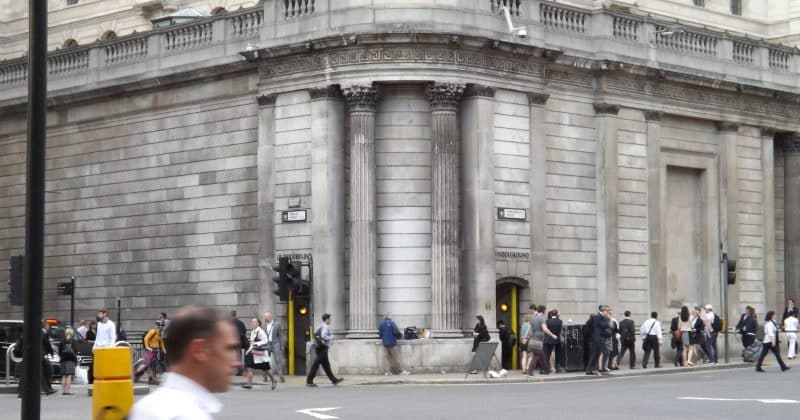
The Bank of England is grappling with intense market pressures as gilt yields skyrocket to levels not seen since the 2008 financial crisis. Driven by the escalating Iran crisis, this surge in yields is creating significant volatility across global financial markets and threatening asset stability.
Rising energy-driven inflation risks are pushing the economy toward a dangerous stagflation scenario. As the BoE navigates these turbulent waters, the impact on financial stability and broader asset markets remains a critical concern for institutional investors and global economists alike.
The Bank of England (BoE) is facing severe market pressures as gilt yields hit post-2008 highs, fueled by the geopolitical instability surrounding the Iran crisis. The sudden spike in yields is a direct consequence of heightened market anxiety and shifting economic expectations.
With energy-driven inflation threatening to trigger stagflation, the BoE's ability to maintain financial stability is under scrutiny. This volatile environment poses a significant risk to asset markets, forcing a re-evaluation of monetary policy in the face of rising global economic uncertainty.
This is a summarized and adapted version by Artificial Intelligence. To read the complete original story, visit the official source.
Read Full Article at Crypto BriefingSupport Jornal Bitcoin
Independent journalism, curated by AI, no clickbait. Keep the flame alive with any amount of BTC.
jonata@walletofsatoshi.comDaily Crypto Brief 📬
Subscribe to receive the curation of the most important Bitcoin and crypto news, summarized by AI. No spam.
Join more than 10,000 smart readers.
Related News
Bank of England Weighs Leverage Rule Shift to Fuel Bond Demand
While the move could provide much-needed fiscal relief, it poses a critical threat to existing financial stability safeguards. Analysts warn that prioritizing bond demand through leverage adjustments could inadvertently undermine the long-term resilience of the UK's financial infrastructure.

Central Bankers Sound Alarm: Could Agentic AI Trigger a Global Financial Meltdown?
Central bankers, including leadership from the Bank of England, are specifically concerned that agentic AI could amplify market volatility during periods of stress. There is an urgent call for new guardrails, such as market-wide 'kill switches' or circuit breakers, to prevent faulty AI models from triggering a catastrophic market meltdown.

The Market's Fatal Flaw: Why We Forgot That Money is Just Technology
Understanding the technological nature of money is essential to anticipating the transition toward decentralized systems. If money is technology, the obsolescence of the current system is merely a matter of time and technical efficiency.

Red Sea Crisis: Houthi Attacks on Cargo Ships and Troops Spike Global Trade Risks
Beyond the immediate casualties, the strategic impact involves a significant surge in global trade risks and skyrocketing maritime insurance costs. As instability persists, the ripple effects are felt across international markets, complicating supply chain logistics and increasing the cost of doing business in volatile corridors.
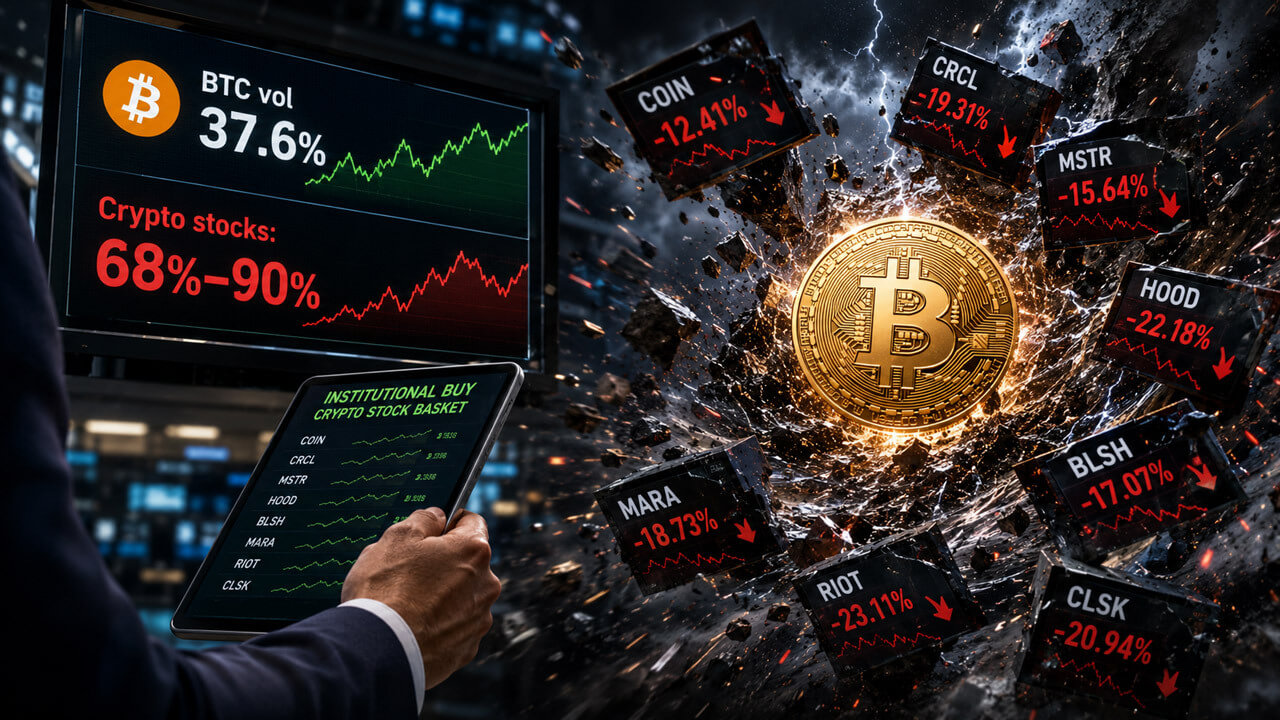
Cathie Wood's Big Bet: Why Funds are Aggressively Buying Crypto Stocks Amidst Market Slump
This institutional pivot sparks a vital question regarding risk exposure: does holding crypto stocks provide a buffer against direct volatility, or does it create a leveraged bet on the entire sector? As major funds navigate this turbulence, the industry is watching to see if these equity plays represent a sophisticated hedge or increased systemic risk.

Gold vs. Bitcoin: The Ultimate Battle for the Safe Haven Crown
As the tokenization of traditional assets gains momentum, the outlook for the future of the financial market points toward a hybrid coexistence. Understanding this dynamic is crucial for those seeking intelligent diversification and looking to balance wealth preservation with the high-growth potential of cryptocurrencies.
