Red Sea Crisis: Houthi Plan to Block Oil Route Could Send WTI Soaring
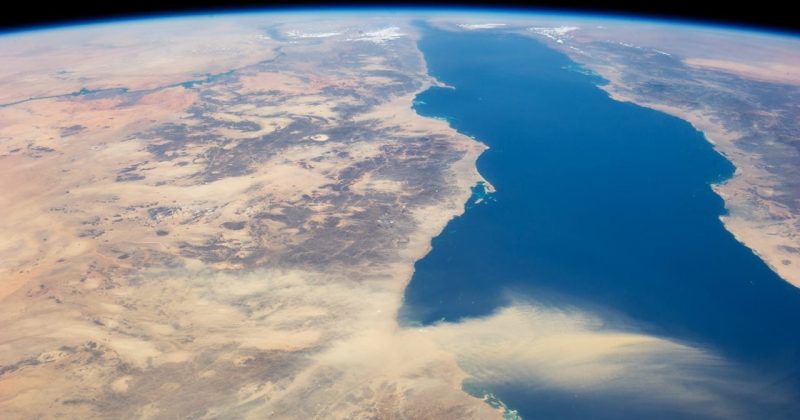
Geopolitical tensions are reaching a breaking point as Houthi forces plan to block the critical Red Sea oil route. This strategic move threatens to paralyze global shipping lanes, creating a massive bottleneck for international energy distribution and maritime trade.
The economic fallout could be monumental, with market indicators suggesting a potential surge in WTI crude prices toward $110 by July 2026. As the threat to the Red Sea shipping lanes intensifies, investors are bracing for heightened volatility and a significant shift in global energy dynamics.
The Houthis are planning to block the Red Sea oil route, posing a direct threat to global shipping lanes. This escalation in the region introduces significant risk to the global energy supply chain. Current projections suggest a 4.8% probability that WTI crude will reach $110 by July 2026 if these disruptions to the Red Sea oil route continue unabated.
This is a summarized and adapted version by Artificial Intelligence. To read the complete original story, visit the official source.
Read Full Article at Crypto BriefingSupport Jornal Bitcoin
Independent journalism, curated by AI, no clickbait. Keep the flame alive with any amount of BTC.
jonata@walletofsatoshi.comDaily Crypto Brief 📬
Subscribe to receive the curation of the most important Bitcoin and crypto news, summarized by AI. No spam.
Join more than 10,000 smart readers.
Related News

Market Shock: Trump Proposes 50% Tariffs on Canadian Goods, Triggering Global Uncertainty
This escalation in trade tensions carries heavy implications for crypto investors and traditional asset holders alike. As market volatility increases due to these geopolitical shifts, investors are closely watching for potential flight-to-safety moves and the broader impact on liquidity and risk appetite in the digital asset space.

Geopolitical Shift: Trump Approves Saudi Nuclear Deal Dropping IAEA Safeguards
This pivot in US foreign policy carries massive implications for global stability and energy markets. The removal of traditional safeguards raises urgent questions regarding nuclear proliferation risks and could trigger a significant realignment of power across the Middle East.
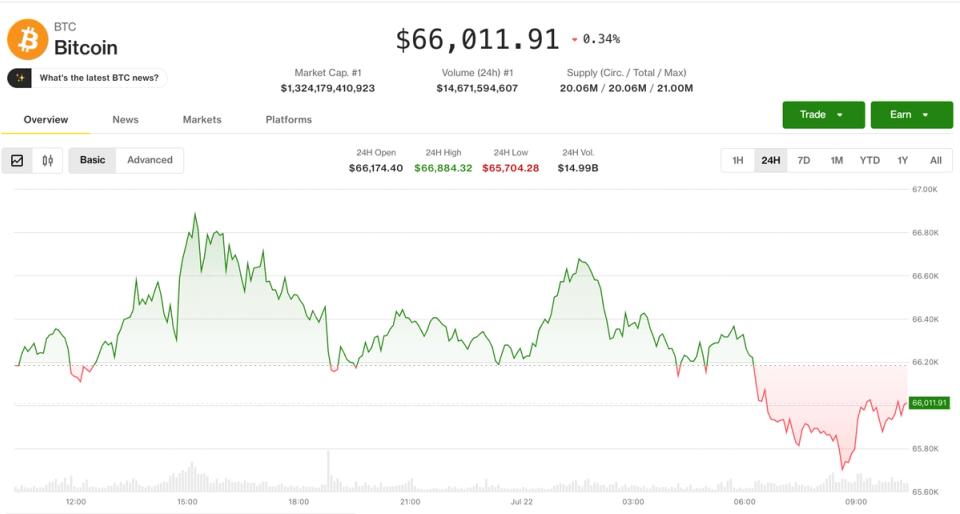
Bitcoin retreats from one-month high as oil prices surge and inflation fears return
As macroeconomic uncertainty grows, market participants are pivoting away from speculative altcoins. Instead, capital is flowing toward traditional safe havens like gold and silver, as well as Bitcoin, which continues to be positioned as a primary hedge against rising inflation and commodity volatility.
Extreme Heatwave Triggers North Africa Blackouts, Fueling Forecast for Record-High Oil Prices
As infrastructure fails under the heat, market projections suggest a massive surge in energy costs, with crude oil expected to hit a new all-time high by December 31, potentially rising by 16%. This intersection of climate crisis and commodity spikes marks a high-stakes period for global energy traders.

US Strikes Red Sea Targets: Geopolitical Escalation Threatens Market Stability
As geopolitical tensions rise, the ripple effects are expected to hit the broader financial landscape, including the crypto market. Increased uncertainty regarding global supply chains and military escalations often drives investors toward defensive postures, potentially triggering sudden volatility in digital assets.

Middle East Crisis: Iranian Missiles Target Jordan as Smoke Rises Over Aqaba
In a preemptive move to manage the escalating threat, Israel has announced the closure of its airspace through July 31. As the conflict intensifies, the intersection of geopolitical instability and global security remains a primary driver for market uncertainty and potential shifts in risk appetite.
