Strait of Hormuz Crisis: Iran Intercepts Ships as Global Conflict Tensions Surge
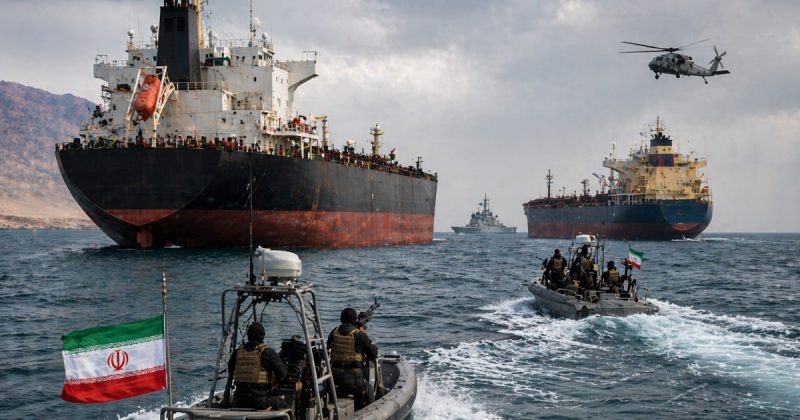
Geopolitical volatility has spiked following Iran's interception of vessels in the Strait of Hormuz, a vital maritime artery. This aggressive maneuver heightens the threat of a broader conflict, directly challenging the current state of global trade stability and maritime law.
Beyond the immediate military implications, these actions threaten to disrupt international supply chains and trigger massive market fluctuations. As regional security dynamics shift, the potential for sudden economic shocks remains a primary concern for global analysts and institutional investors alike.
Iran's recent interception of ships in the Strait of Hormuz has significantly heightened geopolitical tensions, signaling a potential escalation toward a wider conflict. These actions pose a direct threat to global trade routes and could fundamentally reshape regional security dynamics. As tensions rise, the international community remains on high alert regarding the stability of this critical maritime corridor.
This is a summarized and adapted version by Artificial Intelligence. To read the complete original story, visit the official source.
Read Full Article at Crypto BriefingSupport Jornal Bitcoin
Independent journalism, curated by AI, no clickbait. Keep the flame alive with any amount of BTC.
jonata@walletofsatoshi.comDaily Crypto Brief 📬
Subscribe to receive the curation of the most important Bitcoin and crypto news, summarized by AI. No spam.
Join more than 10,000 smart readers.
Related News
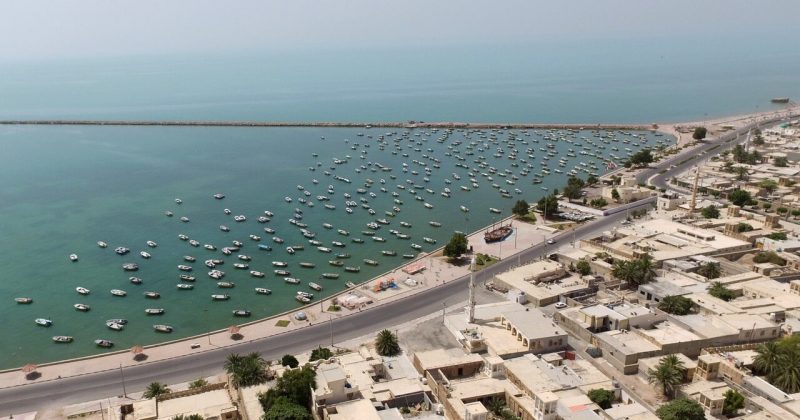
Geopolitical Flashpoint: Iran Shoots Down US Drone, Sparking Global Fears
Beyond the immediate military threat, the incident is poised to disrupt global market dynamics and trigger significant volatility. As geopolitical risks surge, investors are bracing for shifts in capital flows and increased uncertainty across traditional and digital asset classes.
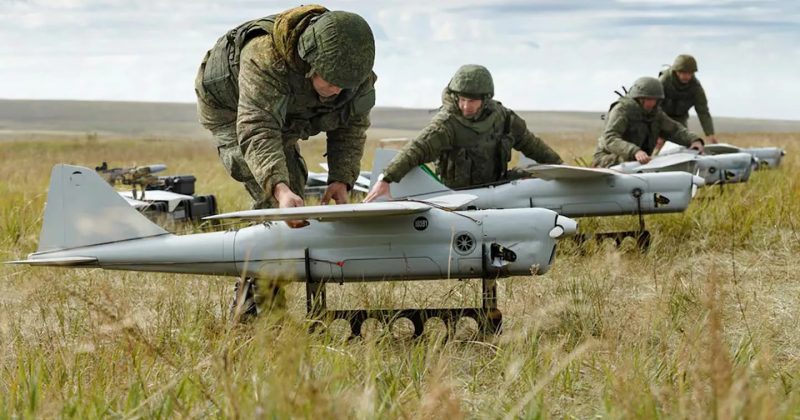
Russia's Massive Drone Barrage Across Ukraine Signals Stalemate, Shaking Market Confidence
This wave of aerial attacks is impacting market confidence regarding Ukraine's ability to reclaim Crimea, pointing toward a potential long-term stalemate. As geopolitical instability persists, investors are closely watching how these developments influence market volatility and the broader economic landscape.
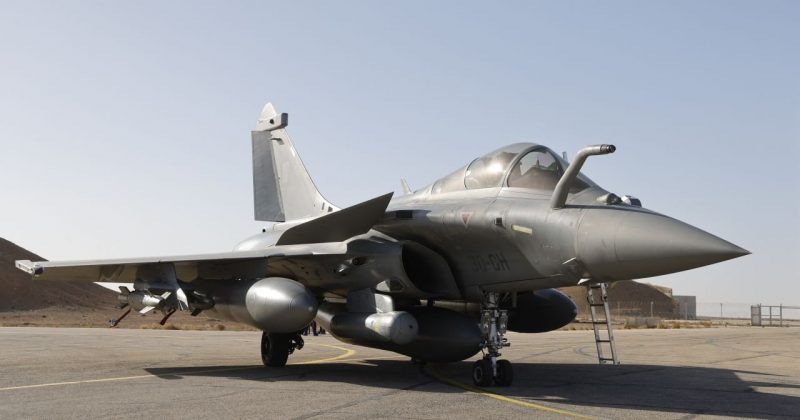
Middle East Crisis: Iran Claims Strike on Jordan Air Base, Fueling Market Fears
Beyond the immediate battlefield, the impact of this strike could trigger a massive shift in market sentiment, particularly if Iranian airspace closures are implemented. Such high-stakes uncertainty often drives volatility across all asset classes, as investors react to the heightened risk of a broader regional conflict.

China's Crude Import Surge: A Global Oil Price Catalyst?
Beyond mere pricing, this shift carries heavy geopolitical weight, threatening to reshape established supply routes and global energy security. As China ramps up its consumption, the ripple effects will be felt across international markets, influencing everything from inflation to the strategic importance of Middle Eastern trade corridors.
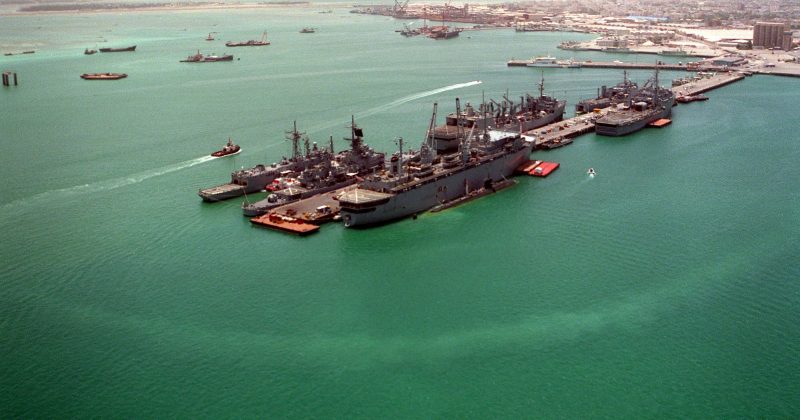
Iranian Strike Hits US 5th Fleet Warehouse in Bahrain: Middle East Conflict Escalates
This attack may prompt a strategic reassessment by the U.S., potentially altering military operations and regional stability in the Middle East. As tensions rise, the global community watches closely to see how this shift in military dynamics will impact broader economic security and market volatility.
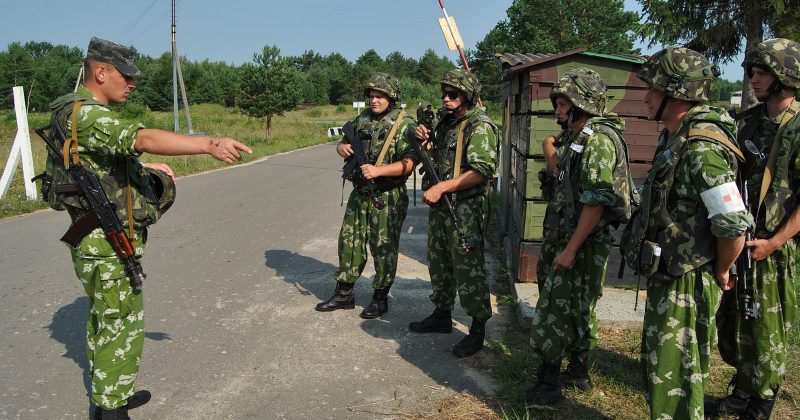
Russian Offensive Stalls: Limited Gains Signal Prolonged Conflict and Market Uncertainty
These strategic uncertainties are beginning to ripple through global prediction markets, as analysts struggle to price in the long-term geopolitical risks. The ongoing stalemate maintains a high level of volatility, keeping investors and strategists on edge regarding the next major escalation.
