Strait of Hormuz Crisis: Iranian Ship Attacks Fuel US-Iran War Fears
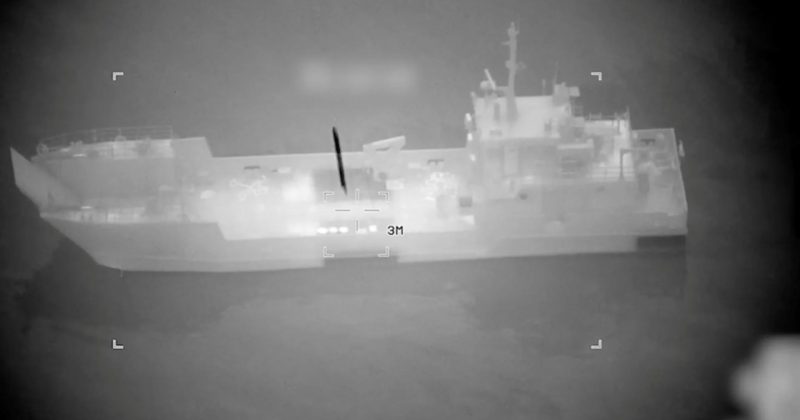
Geopolitical tensions have reached a breaking point as Iranian forces launch attacks on ships within the Strait of Hormuz, exacerbating the ongoing conflict with the United States. This sudden escalation threatens critical maritime corridors and injects massive uncertainty into the global financial landscape.
While current forecasts suggest a slim 11.5% chance of traffic normalization by August 31, the immediate impact on global supply chains cannot be ignored. Investors should prepare for heightened volatility in crypto markets and traditional assets as the risk of a broader regional war intensifies.
The Strait of Hormuz has become a flashpoint for international conflict following Iranian attacks on commercial vessels, amid escalating tensions in the ongoing US-Iran war. The strikes pose a direct threat to one of the world's most vital maritime chokepoints.
Reports indicate that while there is a marginal 11.5% projection for traffic normalization by August 31, the geopolitical instability remains extreme. The situation continues to evolve rapidly, with significant implications for global trade stability and market sentiment.
This is a summarized and adapted version by Artificial Intelligence. To read the complete original story, visit the official source.
Read Full Article at Crypto BriefingSupport Jornal Bitcoin
Independent journalism, curated by AI, no clickbait. Keep the flame alive with any amount of BTC.
jonata@walletofsatoshi.comDaily Crypto Brief 📬
Subscribe to receive the curation of the most important Bitcoin and crypto news, summarized by AI. No spam.
Join more than 10,000 smart readers.
Related News

Polymarket Surge: Lula Odds Skyrocket to 60.5% Amid $113.7M Trading Volume
As election-integrity rhetoric continues to shape global politics, the massive volume on Polymarket serves as a critical indicator for institutional and retail interest. The convergence of high-stakes gambling and geopolitical forecasting suggests that blockchain-based prediction markets are becoming indispensable tools for assessing political risk and election outcomes.
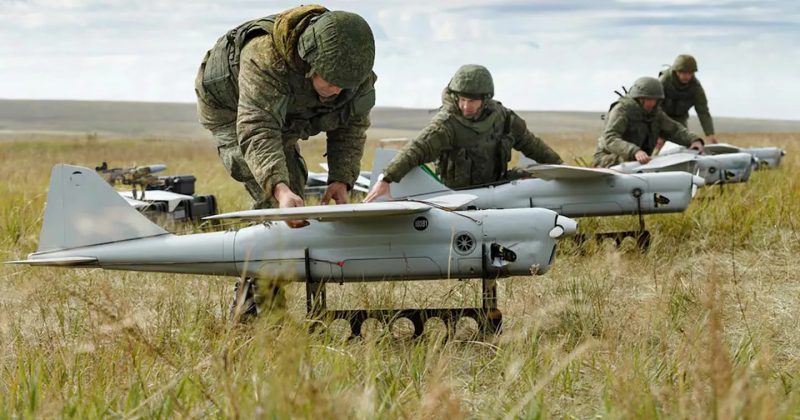
Ukraine Counteroffensive Hits Critical Russian Drone Factories and Warehouses
These tactical strikes represent a significant shift in the conflict's logistics, potentially slowing Russian military momentum. As the situation evolves, geopolitical analysts are closely monitoring the impact of these strikes alongside long-term projections regarding the Russian advance toward Sloviansk.

Market Alert: Bitcoin Faces Critical $62,500 Test as Altcoins Bleed $8.8 Billion in One Week
While Bitcoin fights for stability, the altcoin market is witnessing a massive liquidity drain, losing a staggering $8.8 billion in value over the past week. The price action of Ethereum, HYPE, and other major altcoins will provide crucial context on whether this is a localized sell-off or a broader market shift.
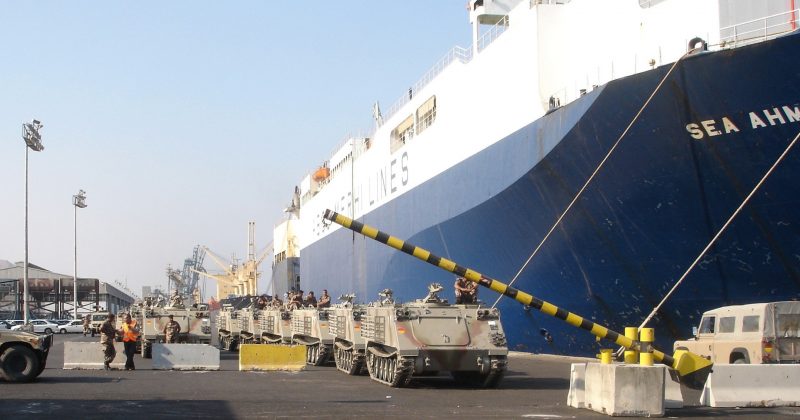
Geopolitical Alert: Jordanian Army Intercepts 4 Drones Amid Iran-US-Israel Conflict
This escalation underscores the massive volatility that could spill over into global markets and the crypto ecosystem. As the probability of Iranian military action against Gulf states remains a critical concern, market participants must prepare for potential shifts in risk appetite and liquidity driven by these geopolitical tensions.

LDO Price Prediction: $0.38 or $0.30? The Next 72 Hours Are Critical
Market data suggests a 60% probability of a pullback toward the $0.33–$0.35 range before a rally toward $0.40 can be validated. Investors should prepare for significant volatility as the LDO price prediction hinges on whether the asset can break through resistance or succumb to a corrective phase.

The Kimi K3 Effect: How China's New AI is Shaking Bitcoin and Semiconductor Markets
This phenomenon highlights a growing correlation: Bitcoin has solidified its role as a leveraged proxy for the AI capital cycle. As capital shifts toward groundbreaking AI technologies, the digital asset faces liquidity pressures, proving that BTC's destiny is increasingly intertwined with the global technological arms race.
