Canary Files Fourth Amendment for Staked TRX ETF with 1.10% Fee - What This Means for Tron Investors
Canary Capital has filed its fourth amendment for a Staked TRX ETF, establishing a 1.10% fee structure that could reshape how investors gain exposure to Tron's staking ecosystem. This regulatory development signals growing institutional interest in Tron's staking mechanisms and represents a significant step toward bringing staked TRX products to traditional investment platforms. The persistent amendments to this ETF proposal reflect the evolving regulatory landscape for cryptocurrency staking products and the careful navigation required by firms like Canary. With a 1.10% fee structure, this potential ETF would offer investors a regulated pathway to earn staking rewards from Tron's network, potentially increasing liquidity and adoption for the sixth-largest cryptocurrency by market capitalization.
This is a summarized and adapted version by Artificial Intelligence. To read the complete original story, visit the official source.
Read Full Article at NewsBTCSupport Jornal Bitcoin
Independent journalism, curated by AI, no clickbait. Keep the flame alive with any amount of BTC.
jonata@walletofsatoshi.comDaily Crypto Brief 📬
Subscribe to receive the curation of the most important Bitcoin and crypto news, summarized by AI. No spam.
Join more than 10,000 smart readers.
Related News

Washington Goes All-In on Crypto: Trump Pushes Clarity, SEC Rules, and CFTC Warnings

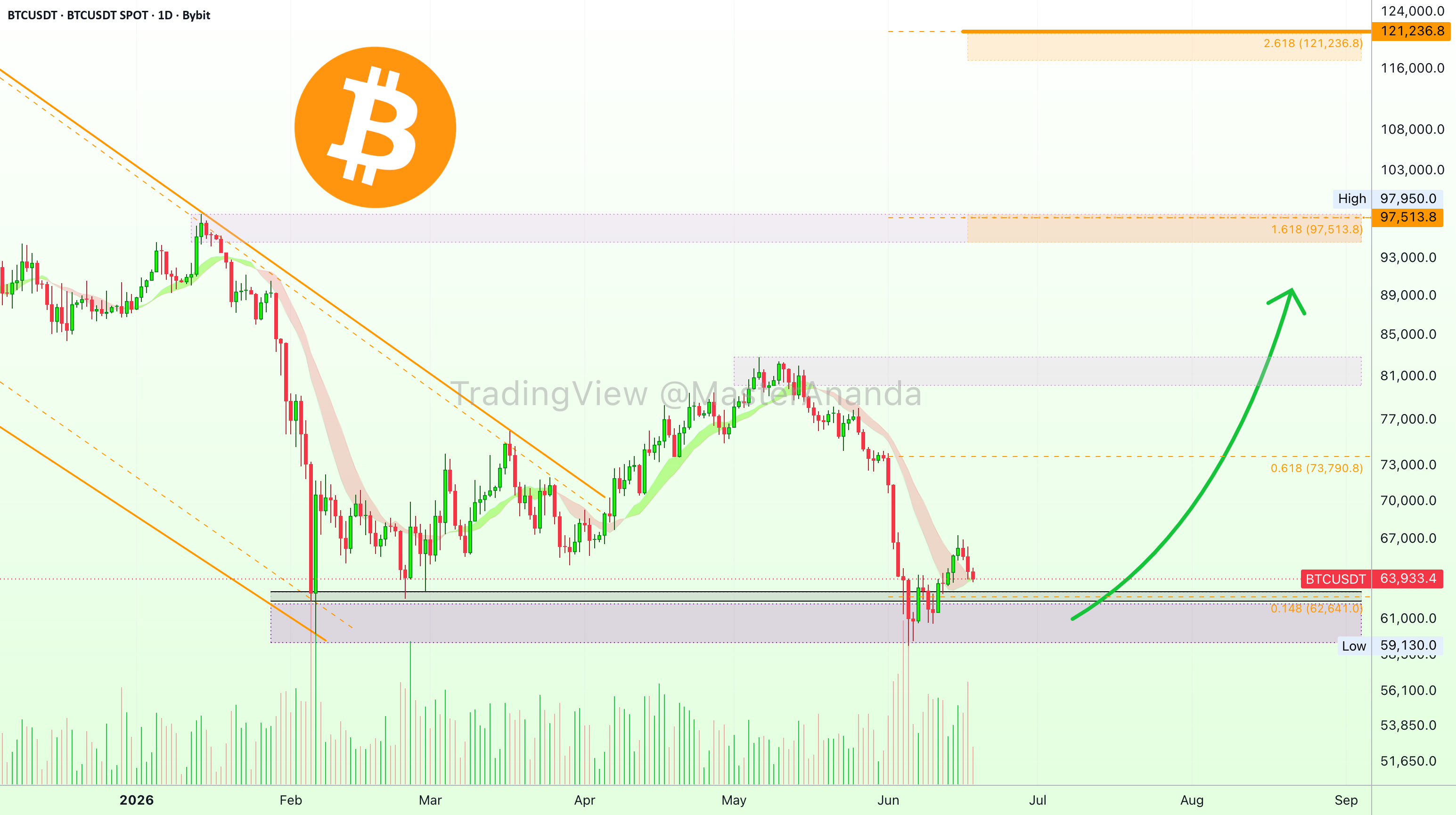
Bitcoin to $180K? What to expect after BTC surge to $72K

Bitcoin ETFs draw $517M in largest one-day inflow since early May
The capital inflow coincides with Bitcoin approaching $72,000 and Ether climbing 19% to about $2,286. Market optimism is fueled by the US Treasury's decision to expand buybacks of longer-dated government debt and renewed attention on crypto regulation after President Donald Trump urged Congress to advance the CLARITY Act at a White House event.
SEC Abruptly Postpones Long-Awaited Crypto Regulation Proposal, Leaving Industry in Limbo
The indefinite postponement creates uncertainty for crypto companies, investors, and the market as a whole. The lack of a defined timeline for the crypto regulation proposal could further delay financial innovation and hinder the entry of new institutions into the digital space. The industry now finds itself in an extended regulatory limbo, waiting for clear signals from authorities about the future of crypto regulation in the U.S.
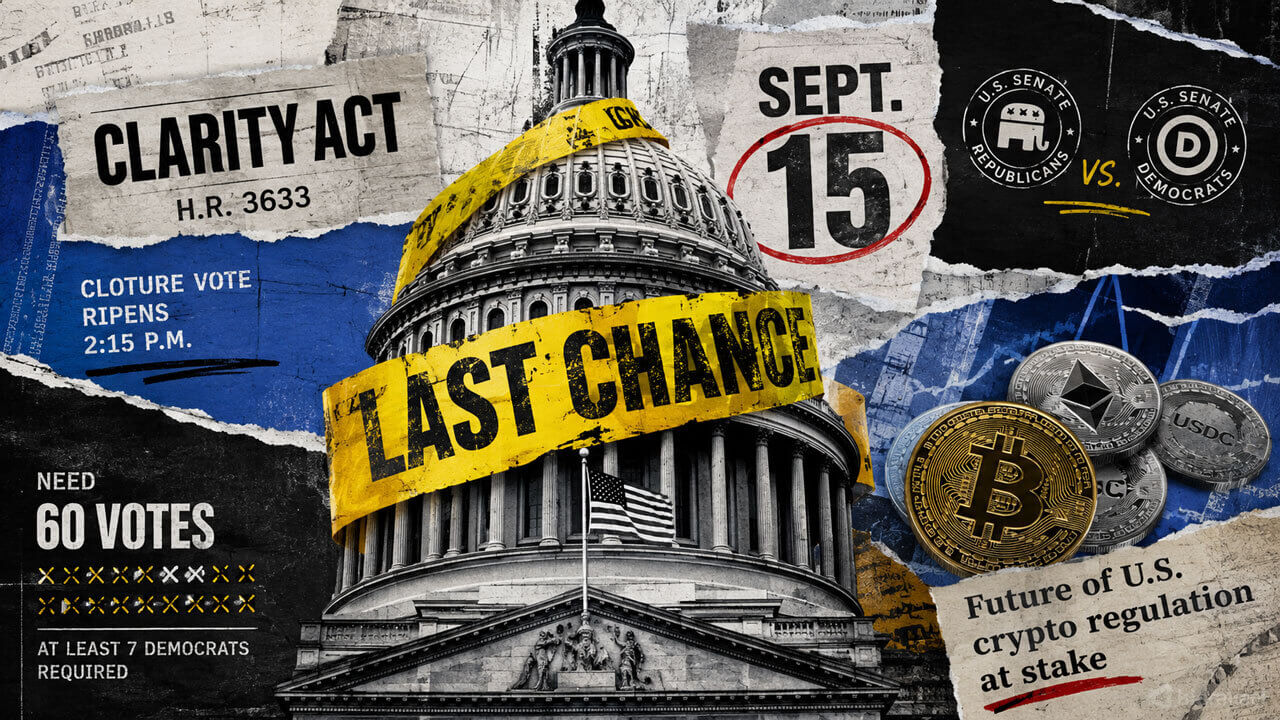
White House: CLARITY Act dies Sept 15 unless 7 Democrats vote yes
The crypto legislation, which aims to establish a clear regulatory framework for the digital financial sector, is facing significant political hurdles. The White House pressure reflects the administration's urgency in advancing crypto regulation, while the cryptocurrency sector awaits guidelines that could bring stability and attract more institutional investments to the crypto market.