Musk's Ambition: Boring Company Targets $4 Billion Funding and $20 Billion Valuation
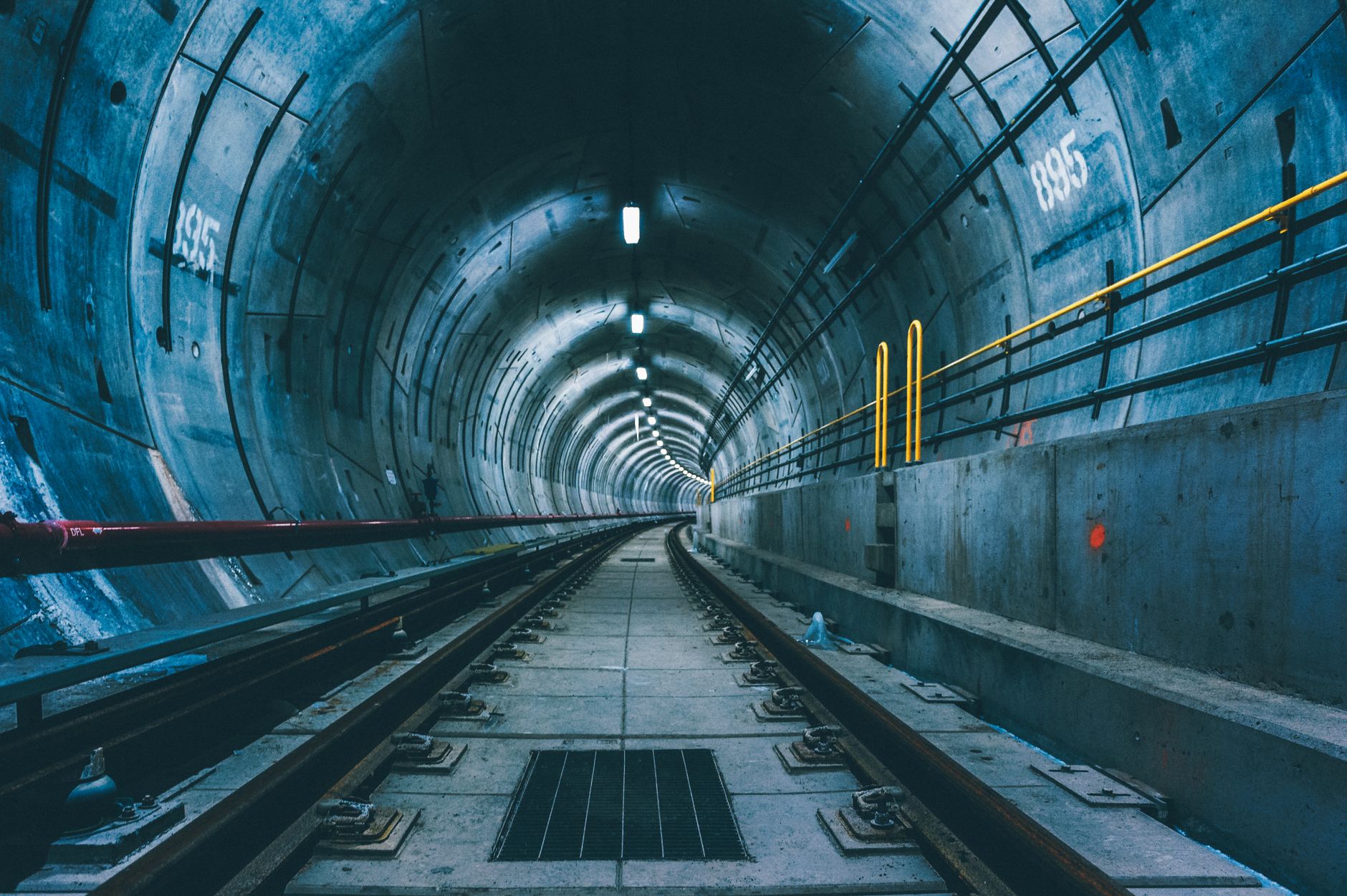
Elon Musk's tunnel-digging venture, the Boring Company, is reportedly seeking $4 billion in funding, aiming for a massive $20 billion valuation. This capital injection is designed to fuel the expansion of its underground transportation technology and infrastructure projects.
While the company's valuation could potentially triple within three years, significant headwinds remain. Concerns regarding a history of environmental violations and safety accidents are casting doubt on the investment thesis, forcing backers to weigh massive growth potential against regulatory and operational risks.
The Boring Company, Elon Musk's tunnel construction startup, is seeking to raise $4 billion, which would push its valuation to a staggering $20 billion. The company aims to revolutionize urban mobility through advanced underground transit systems.
While some projections suggest the company could triple its value in just three years, the path to success is complicated. A track record of environmental violations and various accidents has raised red flags, leading skeptics to question the long-term stability and safety of Musk's ambitious infrastructure vision.
This is a summarized and adapted version by Artificial Intelligence. To read the complete original story, visit the official source.
Read Full Article at BlockTrendsSupport Jornal Bitcoin
Independent journalism, curated by AI, no clickbait. Keep the flame alive with any amount of BTC.
jonata@walletofsatoshi.comDaily Crypto Brief 📬
Subscribe to receive the curation of the most important Bitcoin and crypto news, summarized by AI. No spam.
Join more than 10,000 smart readers.
Related News

Russia's Sberbank to Launch Massive Crypto Trading Infrastructure by Year-End
This development is a pivotal step toward allowing crypto assets to be utilized in foreign trade operations, providing a workaround for traditional financial constraints. By utilizing active wallets and processing transactions off the main blockchain, Sberbank intends to offer a high-speed, compliant environment for large-scale digital asset transactions.

Bitcoin Overtakes Gold in US Ownership: Weekly Crypto Recap
However, the regulatory landscape remains volatile following the rejection of the CLARITY Act draft by seven Senate Democrats, stalling legislative momentum. This weekly recap also dives into Cathie Wood's latest investment moves and the liquidation vote by Satsuma, providing a comprehensive look at the market's current volatility and institutional shakeouts.

Nvidia's Unstoppable Rise: A Massive 15,332% Gain Outpacing the S&P 500
This decade-long dominance highlights the transformative impact of AI on global market dynamics. As growth drivers shift from traditional sectors to high-compute infrastructure, the ripple effects are expected to reshape investor expectations and the broader landscape of both tech stocks and digital asset correlations.

Lido Boosts DeFi Reliability: stETH Rebase and Oracle Upgrade Complete
By upgrading its oracle, Lido is proactively addressing the need for high-fidelity data within the decentralized finance landscape. This improvement not only secures robust staking yields for participants but also bolsters the overall trust in the stETH ecosystem by minimizing reporting discrepancies.
AI Spending Showdown: Why Apple’s Discipline Wins While Oracle’s Aggressive Capex Fails Investors
This divergence highlights a critical shift in investor sentiment, where the focus has moved from pure innovation hype to tangible returns on investment. As companies race to integrate AI, the ability to balance cutting-edge technological advancement with rigorous financial prudence will separate the winners from the losers in the tech landscape.
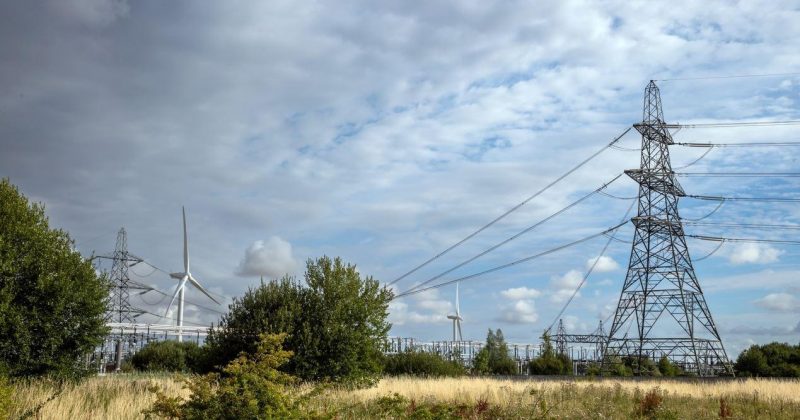
US Power Grids Under Siege: Heat Waves and AI Data Center Surge Create Energy Crisis
The surging electricity demand driven by artificial intelligence highlights a critical need for flexible energy policies and rapid infrastructure adaptation. As data centers continue to expand, the strain on the power grid underscores the growing tension between technological advancement and energy availability.
