Bolivia Pivot: Government Evaluates Integrating USDT into National Financial System

Bolivia is executing a massive strategic pivot regarding digital assets. Economy Minister Jose Gabriel Espinoza has announced that the government is evaluating the inclusion and circulation of the USDT stablecoin within the national payment system, potentially allowing the asset to be used for settling state debts.
This move follows a significant reversal of previous crypto bans, as the nation races to modernize its financial infrastructure. By integrating USDT, Bolivia aims to leverage stablecoin liquidity to navigate economic challenges and establish a foothold in the rapidly evolving global digital economy.
Following the reversal of its previous crypto ban, Bolivia is racing to reposition itself within the digital asset landscape. The potential integration of a dollar-pegged stablecoin into the official financial framework marks a decisive shift in the country's economic policy, aiming for greater stability and global connectivity.
This is a summarized and adapted version by Artificial Intelligence. To read the complete original story, visit the official source.
Read Full Article at Bitcoin.comSupport Jornal Bitcoin
Independent journalism, curated by AI, no clickbait. Keep the flame alive with any amount of BTC.
jonata@walletofsatoshi.comDaily Crypto Brief 📬
Subscribe to receive the curation of the most important Bitcoin and crypto news, summarized by AI. No spam.
Join more than 10,000 smart readers.
Related News

The CLARITY Act Ultimatum: 3 Weeks to Save Crypto Regulation or Face Total Failure
Political friction is intensifying as Democratic support remains thin, specifically amid concerns regarding Donald Trump's disclosed $1.4 billion in crypto-linked income for 2025. Failure to pass the CLARITY Act within this timeframe could cement regulatory uncertainty, potentially stalling institutional adoption and reshaping the future of the crypto market.

Privacy at Risk? CIA General Counsel Labels Bitcoin a Key Intelligence Tool
This development is expected to heavily influence upcoming crypto regulation and reshape the ongoing tension between individual privacy and state surveillance. As authorities leverage on-chain transparency for intelligence purposes, the industry faces a new era where the balance between anonymity and regulatory oversight becomes the central battlefield.
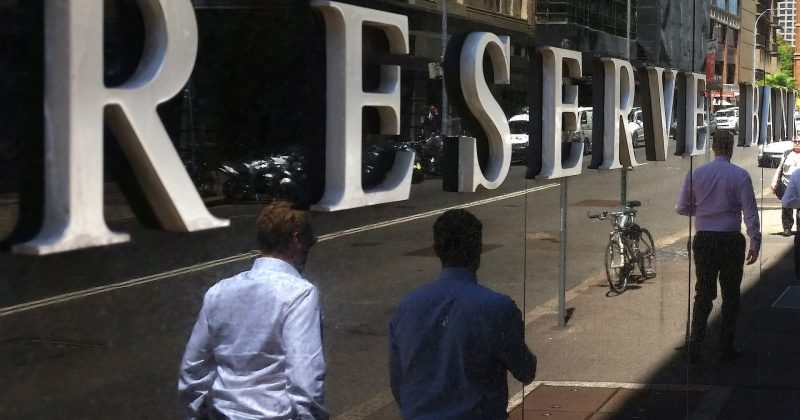
Geopolitical Shockwave: US-Iran Conflict Could Trigger Australian Rate Hikes
As global markets brace for impact, the risk of heightened inflation and supply chain disruptions looms large. For the crypto market, such shifts in monetary policy and central bank actions are critical indicators of liquidity trends and overall risk appetite in the digital asset space.

US Government Shifts $297M in Seized Bitcoin and Ether to Coinbase Prime
While deposits to Coinbase Prime do not definitively signal an impending sale, the movement of seized Bitcoin raises critical questions about the administration's long-term crypto reserve strategy. These funds are tied to high-profile seizures, including those from the defunct BTC-e exchange, and their eventual disposition could significantly impact market liquidity and volatility.
Bitcoin Slips: Traders Ramp Up July Fed Rate Hike Bets Ahead of Inflation Data
Investors are bracing for the upcoming inflation report, which remains the most critical macro catalyst for digital assets. As the Fed's stance on monetary policy becomes the central focus, the interplay between inflation data and interest rate expectations continues to dictate the immediate price action for major cryptocurrencies.

Massive Move: US-Linked Wallets Shift Nearly $297M in Seized BTC and ETH to Coinbase Prime
The implications of this transfer extend to market stability and investor sentiment, as the market closely watches for potential sell pressure. How the US government handles these seized assets could serve as a precedent for future regulations and impact the broader volatility of the cryptocurrency landscape.
