Institutional Shift: BNY Mellon Unit Joins MiCA Register as ESMA Expands Crypto Oversight

The European Securities and Markets Authority (ESMA) has officially expanded its MiCA register, adding 15 new providers including a key subsidiary of banking giant BNY Mellon. This update marks a critical milestone in the institutional adoption of digital assets under the Markets in Crypto-Assets framework.
As the interim MiCA register grows to 309 licensed crypto-asset service providers (CASPs), the inclusion of major banking institutions alongside platforms like BitPay and Coinify underscores a tightening regulatory environment. This expansion ensures that both traditional finance and digital asset platforms operate under a unified, high-standard compliance structure in Europe.
BNY Mellon’s European subsidiary has officially joined the MiCA register following the latest update from ESMA, which added 15 new crypto-asset service providers (CASPs). This third post-deadline update includes a diverse mix of traditional banking institutions and specialized digital asset platforms.
Following Friday's update from the European Securities and Markets Authority (ESMA), the interim MiCA register now boasts 309 licensed providers. Notable entries in this latest round include BNY SA/NV—the Belgian subsidiary of the US-based BNY Mellon—and three German banks, as well as prominent digital asset players such as BitPay, Coinify, and Bleap.
This is a summarized and adapted version by Artificial Intelligence. To read the complete original story, visit the official source.
Read Full Article at CoinTelegraphSupport Jornal Bitcoin
Independent journalism, curated by AI, no clickbait. Keep the flame alive with any amount of BTC.
jonata@walletofsatoshi.comDaily Crypto Brief 📬
Subscribe to receive the curation of the most important Bitcoin and crypto news, summarized by AI. No spam.
Join more than 10,000 smart readers.
Related News

Survival Mode: EMCD Unveils $30M Miner Support Program Amid Brutal Profitability Squeeze
As mining margins face unprecedented pressure, this capital injection serves as a critical buffer against potential widespread operational failures. By addressing the current liquidity crunch, EMCD is attempting to stabilize the mining sector and ensure that essential network infrastructure remains robust despite the tightening economic conditions facing digital asset miners.

Strategy Executes $25M Share Buyback to Offset Bitcoin Asset Volatility
The move underscores the intense financial balancing act required for corporations with heavy Bitcoin exposure. By utilizing this buyback program, the company aims to navigate investor caution while managing the inherent volatility of its crypto-linked asset base.

Saylor's Pivot: MicroStrategy Rebuilds Cash Reserves, Pausing Bitcoin Buys
By putting Bitcoin buys on hold to strengthen its liquidity, the company is preparing for future market volatility. This move to consolidate capital suggests that Saylor is positioning the firm to execute even larger strategic plays once the treasury is sufficiently fortified for the next cycle.

Robinhood Chain Surge: Tokenized Stocks Jump 5x as ETH Outpaces BTC in ETF Inflows
This divergence in ETF demand highlights a growing appetite for smart contract platforms over pure store-of-value assets. However, the industry remains cautious as the landscape shifts; while tokenization gains momentum, the shutdown of another major crypto exchange serves as a stark reminder of the ongoing volatility and structural changes within the global exchange ecosystem.
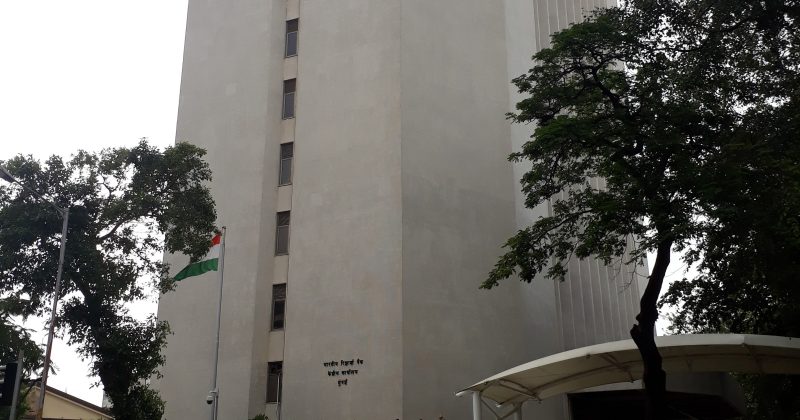
India's Interest Rates Frozen Until 2026: Is a Crypto Bull Run Incoming?
As traditional savings accounts lose their competitive edge due to stagnant rates, investors are likely to pivot toward alternative assets. This shift could trigger a massive influx of capital into the crypto market, driving increased interest in digital assets and blockchain-based investments.

Legal Warfare: Digital Chamber Sues Illinois Over Nation's First Blockchain-Specific Tax
The outcome of this litigation will serve as a critical bellwether for the entire crypto industry. As states look for new revenue streams, this case will determine whether blockchain-specific transaction taxes can survive constitutional scrutiny or if they will be viewed as discriminatory barriers to technological innovation and digital asset adoption.
