Institutional Shift: BNY Mellon Unit Joins MiCA Register as ESMA Expands Crypto Oversight

The European Securities and Markets Authority (ESMA) has officially expanded its MiCA register, adding 15 new providers including a key subsidiary of banking giant BNY Mellon. This update marks a critical milestone in the institutional adoption of digital assets under the Markets in Crypto-Assets framework.
As the interim MiCA register grows to 309 licensed crypto-asset service providers (CASPs), the inclusion of major banking institutions alongside platforms like BitPay and Coinify underscores a tightening regulatory environment. This expansion ensures that both traditional finance and digital asset platforms operate under a unified, high-standard compliance structure in Europe.
BNY Mellon’s European subsidiary has officially joined the MiCA register following the latest update from ESMA, which added 15 new crypto-asset service providers (CASPs). This third post-deadline update includes a diverse mix of traditional banking institutions and specialized digital asset platforms.
Following Friday's update from the European Securities and Markets Authority (ESMA), the interim MiCA register now boasts 309 licensed providers. Notable entries in this latest round include BNY SA/NV—the Belgian subsidiary of the US-based BNY Mellon—and three German banks, as well as prominent digital asset players such as BitPay, Coinify, and Bleap.
This is a summarized and adapted version by Artificial Intelligence. To read the complete original story, visit the official source.
Read Full Article at CoinTelegraphSupport Jornal Bitcoin
Independent journalism, curated by AI, no clickbait. Keep the flame alive with any amount of BTC.
jonata@walletofsatoshi.comDaily Crypto Brief 📬
Subscribe to receive the curation of the most important Bitcoin and crypto news, summarized by AI. No spam.
Join more than 10,000 smart readers.
Related News

Tech Power Move: Circle Acquires Nearly 1,000 IBM Blockchain Patents
The acquisition includes nearly 1,000 issued patents and over 680 patent families, with a heavy emphasis on supply chain applications. While financial terms remain undisclosed, the market responded with optimism, driving CRCL stock up more than 2% in premarket trading as investors digest the long-term implications of this technological consolidation.
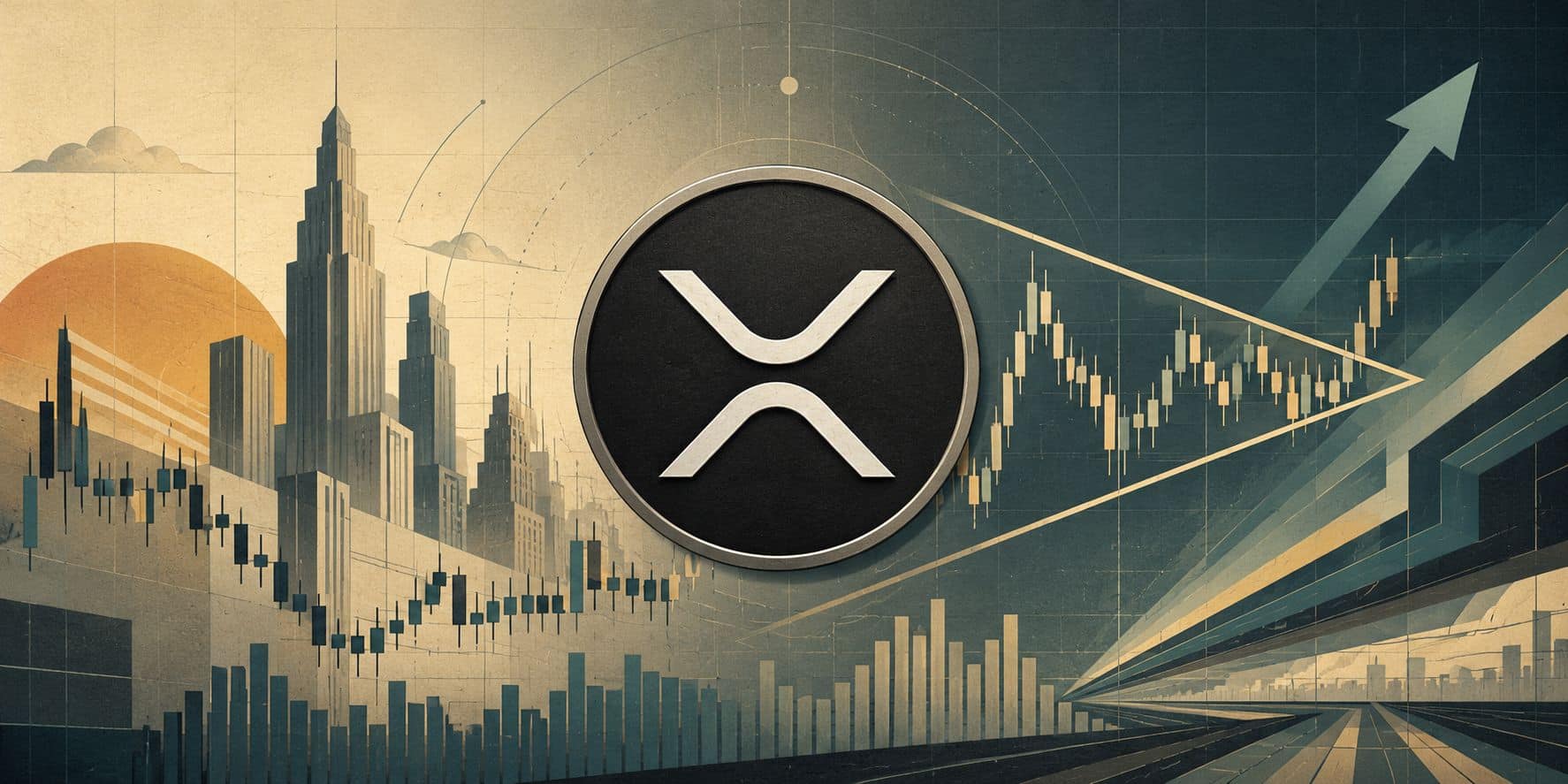
XRP Breakout Imminent? Symmetrical Triangle Could Propel XRP to $1.35
Should the XRP price prediction materialize through an upside resolution, the token is positioned to target the $1.35 resistance level. Investors are closely monitoring this technical setup to determine if the current market structure will yield a bullish breakout or a shift in momentum.

Treasury Strategy Shift: Firm Adds $525M to Cash Reserves, Skips Bitcoin Buy for Fifth Week
This shift is further underscored by the first-ever activation of its $1 billion preferred buyback program, with $25 million allocated to STRC. By prioritizing buybacks and cash positioning, the firm is signaling a focus on capital structure optimization and financial stability, even as the broader crypto market remains volatile.
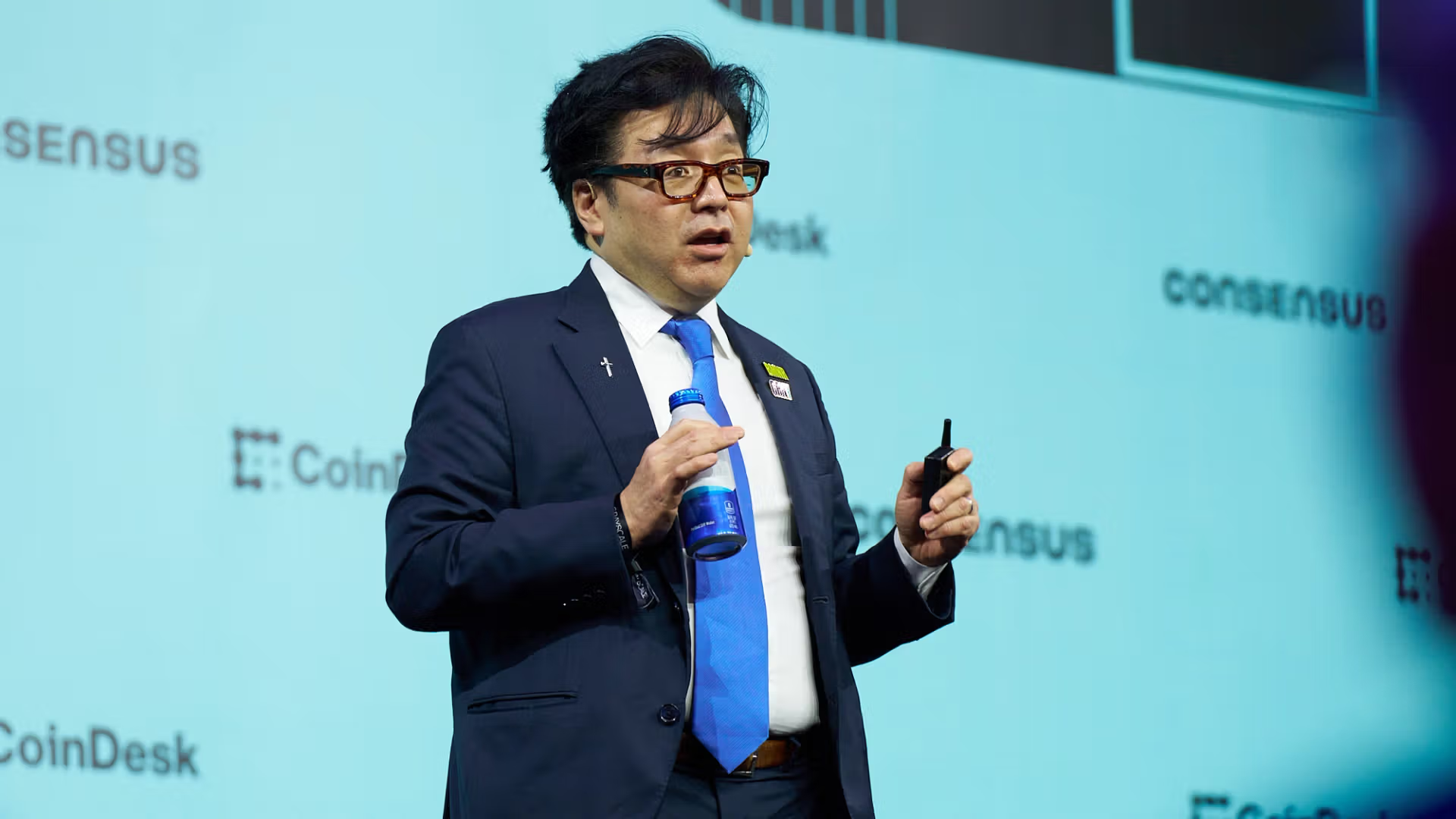
Bitmine Goes All-In on Ether as Tom Lee Signals Crypto Bull Run via ETH/BTC Ratio
This aggressive stance aligns with insights from Tom Lee, who suggests that the rising ETH/BTC ratio is a powerful bullish signal. As ether begins to outperform bitcoin, market analysts view this shift in dominance as a precursor to broader strength across the entire crypto market landscape.

The Saylor Silence: Why Michael Saylor’s Month-Long Bitcoin Buying Pause Matters
This pause in MicroStrategy's aggressive acquisition strategy highlights growing concerns regarding current Bitcoin valuations and demand sustainability. As the largest corporate holder of BTC, Saylor's buying patterns often dictate market sentiment, and this sudden lull could precede a period of heightened volatility or a fundamental re-evaluation of price levels.

Stop Pivoting to AI: Coinbase CEO Warns Crypto Firms are Making a Strategic Mistake
The core of his thesis lies in the symbiotic relationship between decentralized finance and machine intelligence. As autonomous AI agents evolve, they will require blockchain-based systems to manage transactions and hold value, positioning crypto as the essential economic layer for the next generation of AI-driven automation.
