The $15 Million Shield: Why BlackRock and MicroStrategy are Fortifying Bitcoin

Global financial titans are mobilizing to safeguard the future of digital gold. In a strategic power move, giants such as BlackRock and MicroStrategy have joined forces in a $15 million consortium dedicated to Bitcoin security, aiming to mitigate systemic risks and ensure the protocol's long-term integrity.
This massive capital deployment serves as a preemptive strike against the looming threat of quantum computing. By reinforcing the network's cryptographic foundations, these entities—who collectively hold over 2.7 million BTC—are ensuring that Bitcoin remains the ultimate reserve asset, shielded from future technological vulnerabilities.
Financial behemoths holding a massive share of the total supply—exceeding 2.7 million BTC—are raising the stakes for network protection. BlackRock and MicroStrategy are leading a new $15 million consortium focused on fortifying the Bitcoin protocol against emerging threats. The primary objective is preparing for the quantum era, ensuring that the cryptography underpinning Bitcoin remains unbreakable in the face of rapid technological advancement. This move signals that the market's largest players are not just accumulating the asset, but actively investing in its long-term survival.
This is a summarized and adapted version by Artificial Intelligence. To read the complete original story, visit the official source.
Read Full Article at BlockTrendsSupport Jornal Bitcoin
Independent journalism, curated by AI, no clickbait. Keep the flame alive with any amount of BTC.
jonata@walletofsatoshi.comDaily Crypto Brief 📬
Subscribe to receive the curation of the most important Bitcoin and crypto news, summarized by AI. No spam.
Join more than 10,000 smart readers.
Related News
Fed Rate Hike Alert: Polymarket Predicts 36% Chance of Two Increases in 2026
Furthermore, the data reveals a significant 62% chance of a rate hike occurring by September 2026. For crypto investors, these insights are vital, as Fed interest rate decisions directly impact global liquidity, market volatility, and the overall valuation of the digital asset ecosystem.

Has Bitcoin Bottomed Out? Grayscale Claims Macro Signals Are the New North Star
This shift implies that traditional halving-driven models might be losing ground to broader economic drivers like global liquidity and interest rate shifts. As the market evolves, understanding these macroeconomic indicators will be crucial for navigating the future volatility and growth of the crypto ecosystem.

Japan’s Crypto Law Shift: Why Bitcoin ETF Approval Just Hit a Major Delay
This regulatory pivot highlights the tension between rapid crypto integration and strict financial oversight. As the legal framework evolves, the delay in Bitcoin ETF availability means that the massive influx of institutional liquidity expected in the Japanese market may take significantly longer to materialize.
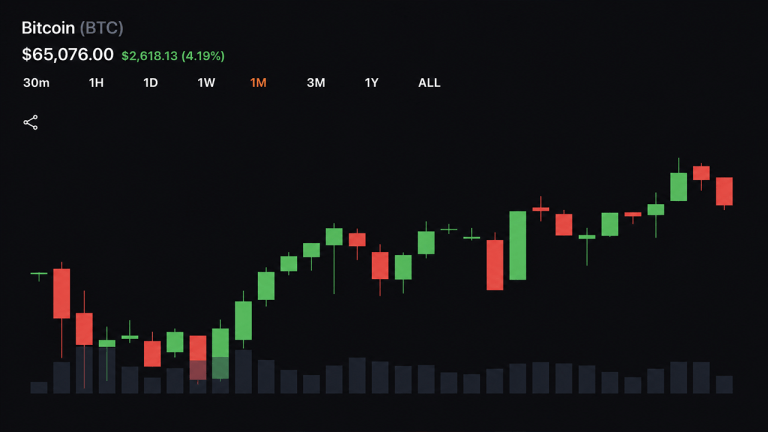
Bitcoin Defies Gravity: Crypto Outperforms US Stocks Amid Market Retreat
However, this period of subdued volatility may be a precursor to turbulence. Rising leverage and ongoing tensions in oil markets suggest that the current stability is fragile. As traders price in a 75% probability of a Fed hold while yields hover near 4.60%, the crypto market remains positioned at a critical macroeconomic crossroads.
Wall Street Split: Goldman Sachs CEO Breaks Ranks to Back Crypto Clarity Act
Solomon's stance creates a sharp divide with JP Morgan's Jamie Dimon and various banking trade groups, who remain staunchly opposed to the bill. The core conflict centers on stablecoin-yield provisions, which critics argue could trigger a massive outflow of deposits from traditional lenders toward the crypto ecosystem, fundamentally altering the landscape of modern finance.

The Kraken UK Blueprint: Why Crypto Regulation is Much More Than Just a License
As global authorities tighten their grip, the impact on the industry is clear: simple licensing is no longer a shield against scrutiny. The Kraken case highlights that long-term success in the crypto market depends on navigating deep-seated structural requirements and maintaining a robust regulatory posture that satisfies both local laws and global standards.
