Bitdeer lands $4.7B AI lease with Anthropic, but must deliver by year-end
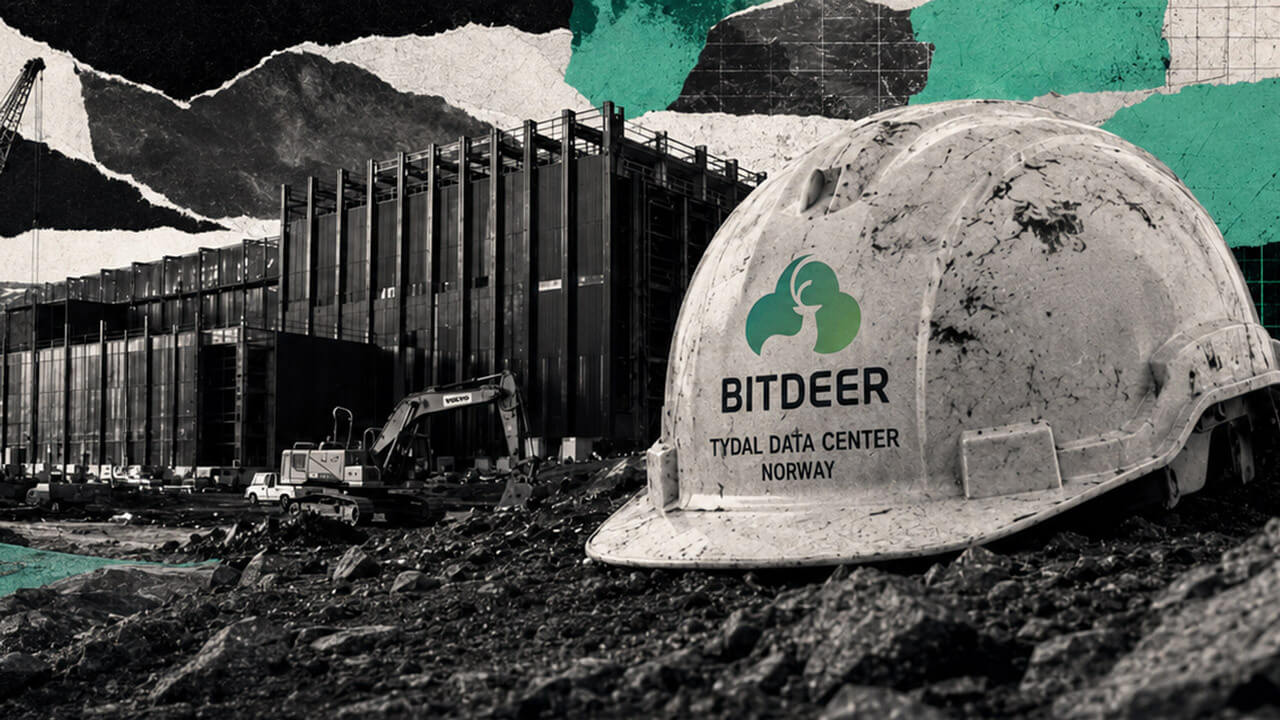
Cryptocurrency mining firm Bitdeer has secured a $4.7 billion AI lease agreement with Anthropic, one of the leading artificial intelligence companies. This landmark deal signifies a major shift in the crypto industry, highlighting the growing convergence between blockchain technology and AI. Bitdeer, primarily known for its cryptocurrency mining operations, is now strategically positioning itself to expand into the lucrative AI infrastructure space.
The agreement, however, comes with a critical condition: Bitdeer must deliver the promised infrastructure by year-end. The announced value assumes full performance, while details regarding credit issuance, committed project debt, and delay protections remain undisclosed. This development could potentially boost Bitdeer's stock price and attract increased institutional interest to the cryptocurrency sector, particularly for companies seeking to diversify beyond traditional mining operations.
This is a summarized and adapted version by Artificial Intelligence. To read the complete original story, visit the official source.
Read Full Article at CryptoSlateSupport Jornal Bitcoin
Independent journalism, curated by AI, no clickbait. Keep the flame alive with any amount of BTC.
jonata@walletofsatoshi.comDaily Crypto Brief 📬
Subscribe to receive the curation of the most important Bitcoin and crypto news, summarized by AI. No spam.
Join more than 10,000 smart readers.
Related News

Appeals Court Upholds SBF's 25-Year Prison Sentence: FTX Fraud Conviction Finalized
This judicial decision represents a watershed moment for cryptocurrency regulation and enforcement, establishing clear precedents for how financial fraud cases involving digital assets will be prosecuted. The judges' opinion emphasized that wire fraud statutes encompass temporary misappropriation of funds, clarifying that FTX customers were defrauded the moment their assets were transferred to Alameda Research, regardless of the perpetrator's intentions to repay them. The case continues to shape regulatory discussions and legal standards across the crypto ecosystem, potentially influencing future legislation and enforcement actions in the digital asset space.

BlackRock Sells Nearly Half Loan Portfolio in $523M Pantheon-Backed Deal

Louisiana Fraudster Masterminds Bank Fraud and Mail Theft Scheme, Drains $300,000 From Victims
This case underscores the persistent threats of financial fraud and identity theft despite enhanced security measures. The Department of Justice's investigation reinforces the critical need for robust data protection and financial literacy to prevent victims from falling prey to criminal schemes. The incident serves as a stark reminder for financial institutions and customers alike about implementing comprehensive security protocols against both cyber and physical threats.
US Senate to vote on landmark CLARITY crypto bill this week: Tim Scott
This vote represents a pivotal moment for the cryptocurrency sector in the US, as the CLARITY Act seeks to establish a clear regulatory framework for digital assets. Passage of the legislation before the August recess would mark a significant advancement in cryptocurrency regulation in the United States, potentially influencing global policies and bringing greater legal certainty to investors and businesses in the sector.

US ETFs Hit Record $1.2T Inflows as Daily Average Surges 40% in 2025
This unprecedented concentration of capital in ETFs is creating significant systemic risks, particularly in equity markets and emerging sectors like cryptocurrencies. Analysts warn that this trend could lead to increased market volatility and fragility, as investors move in unison into or out of specific products, potentially amplifying downturns or fueling bubbles in particular sectors.

How Institutional Dark Pools Quietly Ate 15% of Crypto Volume and Killed the Retail Whale-Watching Edge
This silent shift in the cryptocurrency ecosystem represents a fundamental market transformation, eliminating the edge that retail traders had when monitoring large "whale" movements. With most institutional volume now being executed off public exchanges, individual investors lose the ability to anticipate trends based on large transactions, potentially increasing the information asymmetry between institutions and retail traders.
