Bitcoin Treasury Experiment Fails: Satsuma Shareholders Vote to Liquidate and Sell BTC
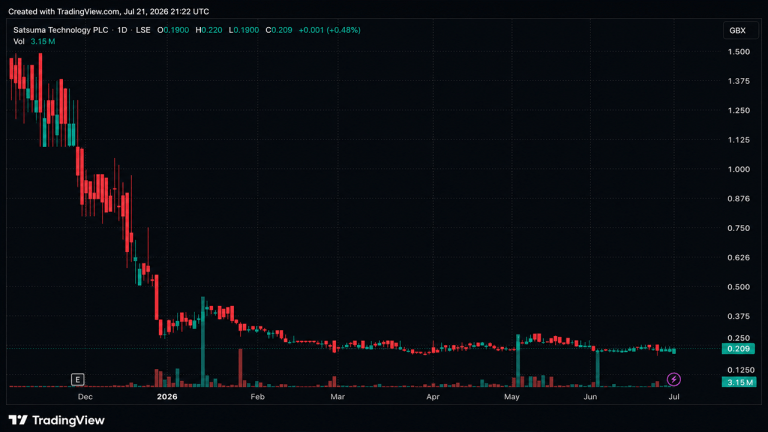
The Bitcoin treasury experiment at Satsuma Technology has officially collapsed following an overwhelming 90.6% shareholder vote to liquidate the London-listed firm. The company will proceed to sell its remaining 668 bitcoin to return capital to investors, marking a definitive end to a strategy that unraveled due to plummeting asset values and a crashed share price.
This liquidation highlights the extreme volatility and risks inherent in corporate Bitcoin treasury strategies. As mounting pressure from backers forced the shutdown, the Satsuma case serves as a stark warning for investors regarding the sustainability of companies that tie their entire corporate solvency to the fluctuating price of Bitcoin.
Satsuma Technology shareholders have voted overwhelmingly to liquidate the London-listed company, signaling the end of its ambitious Bitcoin treasury strategy. The decision follows a period of intense struggle characterized by falling asset values, a collapsed share price, and relentless pressure from backers. The July 21 vote saw a massive 90.6% support for winding down operations.
Under the liquidation plan, the company will sell its remaining holdings of 668 bitcoin to return capital to its shareholders. This outcome underscores the difficulties faced by firms attempting to implement Bitcoin-centric balance sheets without sufficient hedging, as the volatility of the crypto market directly impacted the company's survival.
This is a summarized and adapted version by Artificial Intelligence. To read the complete original story, visit the official source.
Read Full Article at Bitcoin.comSupport Jornal Bitcoin
Independent journalism, curated by AI, no clickbait. Keep the flame alive with any amount of BTC.
jonata@walletofsatoshi.comDaily Crypto Brief 📬
Subscribe to receive the curation of the most important Bitcoin and crypto news, summarized by AI. No spam.
Join more than 10,000 smart readers.
Related News

Geopolitical Escalation: US Forces Strike Iran’s Hormozgan Province Amid Strait of Hormuz Tensions
As the conflict intensifies, market speculation regarding a potential US invasion of Iran before 2027 has reached a 27.5% probability threshold. Such geopolitical instability often triggers massive shifts in risk appetite, impacting both traditional markets and the broader crypto ecosystem.
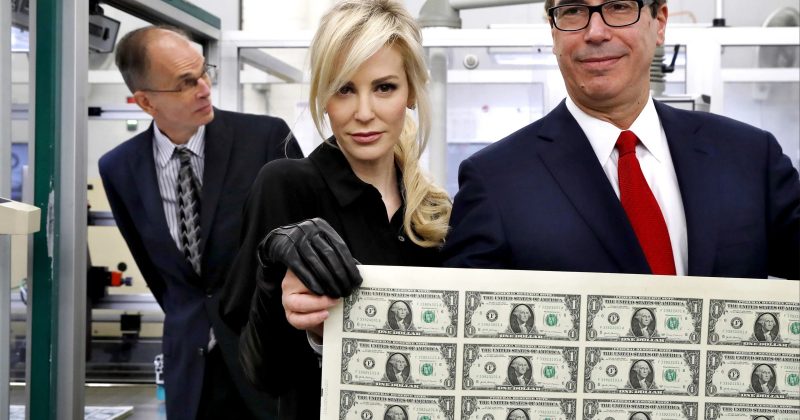
Regulatory Endgame? US Treasury Urges Congress to Pass Digital Asset Market Clarity Act
As the industry looks toward a potential 2026 implementation, the Digital Asset Market Clarity Act stands as a pivotal milestone for institutional adoption. Establishing these clear rules of engagement could finally bridge the gap between traditional finance and the decentralized economy.

DAT Went Wrong: Satsuma to Unwind Bitcoin Treasury, Selling Off $43 Million in BTC
This sudden pivot comes less than a year after the firm successfully raised $218 million. The decision to liquidate the Bitcoin treasury highlights the extreme risks associated with corporate crypto exposure and serves as a cautionary tale for institutional players navigating the volatile digital asset landscape.

Institutional Surge: Bitcoin ETFs Absorb $723M in Just 5 Consecutive Days
This relentless streak of inflows into Bitcoin ETFs highlights a strategic shift in institutional positioning. As these massive capital flows continue, they provide the necessary liquidity and momentum to potentially reshape the current Bitcoin price structure.

SUI Network Surges: 4.5 Billion Transactions Milestone Hit Amidst Wallet Activity Boom
This milestone highlights the growing dominance of the SUI blockchain in a competitive market. As wallet activity continues to climb, the network's ability to handle massive transaction volumes positions it as a critical infrastructure provider for the next wave of decentralized applications and high-frequency trading.
Crypto Clarity Act Stalls as Democrats Push Back Against Trump-Backed Ethics Deal
This friction highlights the deep political divide over how digital assets should be governed and who should be restricted from trading them. As negotiations continue, the industry remains in a state of limbo, waiting to see if a compromise can be reached to provide the regulatory certainty the crypto market desperately needs.
