Bitcoin's 16% Mining Lifeline vs. The $19 Billion AI Gold Rush

Bitcoin miners are standing at a crossroads between network stability and a massive technological pivot. A projected 16% reduction in mining difficulty, expected around July 26, promises to boost the share of network rewards for active machines, providing a much-needed technical lifeline for the industry.
Despite this potential boost, the sector is being disrupted by a massive $19 billion surge in AI-related deals. This influx of capital into artificial intelligence infrastructure is luring major mining firms away from Bitcoin, as they struggle to balance expensive power contracts and debt obligations against the lucrative allure of the AI boom.
Bitcoin is about to give miners a 16% lifeline, but $19 billion in AI deals is luring them away anyway. The network could lower mining difficulty by roughly 16% when its next adjustment arrives around July 26, handing the machines that remain online a considerably larger expected share of the network’s rewards. However, this adjustment does almost nothing to resolve the expensive power contracts, debt obligations, and strategic pressures pushing some of the industry’s largest companies toward the massive AI infrastructure market.
This is a summarized and adapted version by Artificial Intelligence. To read the complete original story, visit the official source.
Read Full Article at CryptoSlateSupport Jornal Bitcoin
Independent journalism, curated by AI, no clickbait. Keep the flame alive with any amount of BTC.
jonata@walletofsatoshi.comDaily Crypto Brief 📬
Subscribe to receive the curation of the most important Bitcoin and crypto news, summarized by AI. No spam.
Join more than 10,000 smart readers.
Related News

Tesla's Bitcoin Move Revealed: What Happened to Their Holdings in Q2 2026?
As institutional sentiment shifts, Tesla's treasury management serves as a critical indicator for the broader crypto market. Any significant reallocation of their Bitcoin portfolio could trigger massive volatility, influencing how other major corporations approach cryptocurrency as a reserve asset in the current economic landscape.
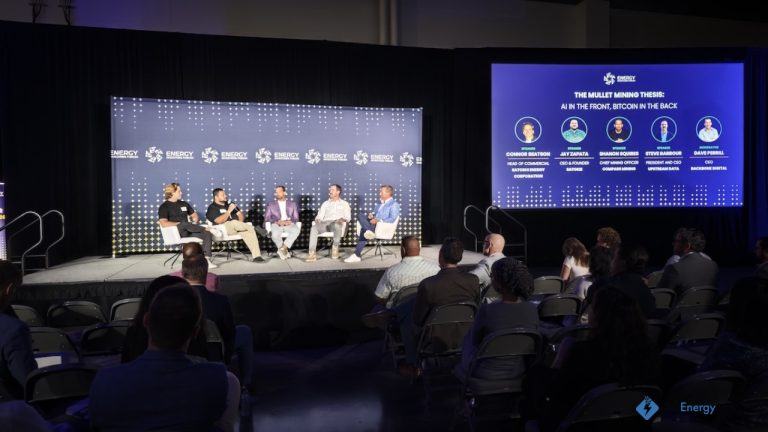
EIF’s Megawatt Verdict: Why Not Every Bitcoin Mine is AI-Ready
As the industry pivots, it is becoming evident that not every Bitcoin mining operation is equipped to handle the rigorous demands of AI compute. The transition requires a sophisticated leap in energy management and infrastructure stability to bridge the gap between traditional mining loads and the intense requirements of next-generation AI data centers.

Shiba Inu Skyrockets 36%: Mystery Rally Fueled by South Korean Trading Surge
This sudden influx of capital highlights the growing influence of South Korean retail traders on specific altcoin price action. As other meme coins struggle to find momentum, the concentrated buying pressure in Korea suggests a highly speculative phase that could lead to increased volatility for the Shiba Inu ecosystem.
SOL Price Prediction: Sellers Take Control as $76 Resistance Triggers Bearish Outlook
As short-term moving averages stack up above the current price, the market is bracing for a potential flush. The current SOL price prediction suggests a downward move toward the $72-$73 range within the next 5-10 days, serving as a liquidity grab before any potential rally toward $82.

Geopolitical Chaos: Trump’s Iran Strike Threats Send Bitcoin Tumbling
Traders are aggressively reducing their risk exposure as the threat of military conflict looms over the Middle East. This correlation between global instability and crypto market volatility highlights how geopolitical tensions can trigger massive liquidations and shift investor sentiment toward safer havens almost instantaneously.
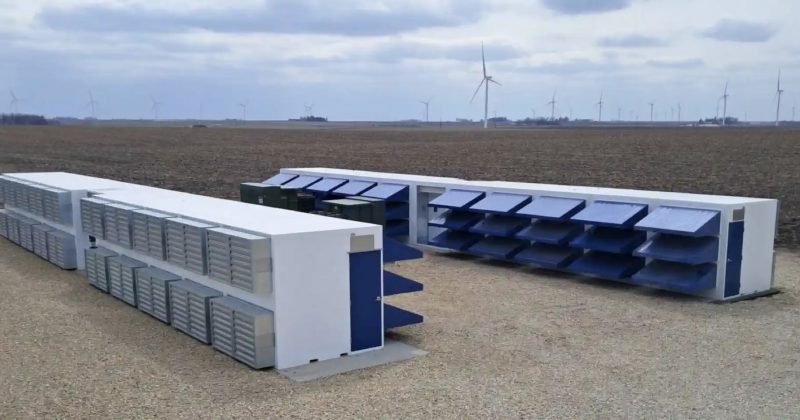
Green Shift: Hydropower Surpasses Natural Gas as Bitcoin Mining's Leading Energy Source
This transition is marked by a significant rise in renewable adoption, with low-carbon energy now accounting for 59.4% of the total network consumption. As the industry moves away from fossil fuels, this milestone strengthens the argument for Bitcoin's long-term environmental viability and ESG compliance.
