Is Bitcoin getting more expensive in Brazil? The BC's exchange suspension explained

The Central Bank's suspension of foreign exchange operations with crypto funds is sending shockwaves through the Brazilian market. This regulatory shift threatens to force local exchanges to implement wider spreads, potentially causing Bitcoin prices in Brazil to decouple from global benchmarks.
Beyond immediate price volatility, the move hampers market making capabilities for Bitcoin and various crypto assets. The resulting liquidity constraints could create a fragmented market, making it more expensive and difficult for Brazilian investors to interact with the global crypto economy.
The landscape for cryptocurrency investors in Brazil has just become significantly more complex. Following the Central Bank's decision to suspend exchange operations involving crypto-focused funds, local exchanges are bracing for operational headwinds. Key concerns include widening spreads, price decoupling from international markets, and increased difficulty in maintaining efficient market making for Bitcoin and other digital assets.
This regulatory intervention directly impacts market efficiency, potentially isolating domestic prices from global trends and increasing the cost of capital entry and exit for both institutional and retail investors.
This is a summarized and adapted version by Artificial Intelligence. To read the complete original story, visit the official source.
Read Full Article at Portal do BitcoinSupport Jornal Bitcoin
Independent journalism, curated by AI, no clickbait. Keep the flame alive with any amount of BTC.
jonata@walletofsatoshi.comDaily Crypto Brief 📬
Subscribe to receive the curation of the most important Bitcoin and crypto news, summarized by AI. No spam.
Join more than 10,000 smart readers.
Related News

The Great Divergence: Crypto Equities Surge 23% as Tokens Crash 36%
This trend suggests that investors may be pricing in a future recovery for digital assets or, more strategically, capturing the real-world revenue generated by crypto adoption. By focusing on companies that earn through fees, yield, and essential services, the market is pivoting toward the infrastructure that profits from volatility.
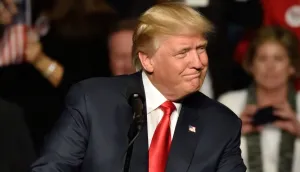
Trump's High-Stakes Move: Meeting Senators to Unblock US Crypto Law
The outcome of this meeting is expected to dictate the regulatory landscape for the entire industry. By addressing these ethical hurdles, the administration seeks to clear the path for Senate voting, potentially providing the legal certainty required for massive institutional capital to enter the cryptocurrency market.

‘The Worst Is Still Ahead’: Analyst Predicts Another Brutal Ethereum Crash
However, a counter-narrative is emerging among market observers who challenge this pessimistic thesis. Some experts suggest that ETH might have already found its bottom during this cycle, pointing toward a potential recovery that could signal the end of the current downtrend.

US Senate Unanimously Declares Sam Bankman-Fried Should Never Receive a Presidential Pardon
While the resolution lacks binding legal authority, its unanimous nature carries significant political weight and sets a clear precedent for the crypto industry. By targeting the possibility of executive clemency, the Senate is reinforcing the necessity of accountability and ensuring that the fallout from the FTX scandal remains a cornerstone of discussions regarding regulation and justice in the digital asset space.

Coding Without Code: How 'Vibecoding' is Disrupting the Brazilian Developer Scene
In Brazil, the adoption of this trend is surging among startups, independent developers, and even blockchain projects. By leveraging AI-driven development, these players are significantly reducing time-to-market and lowering the technical barriers to entry for complex digital innovations.
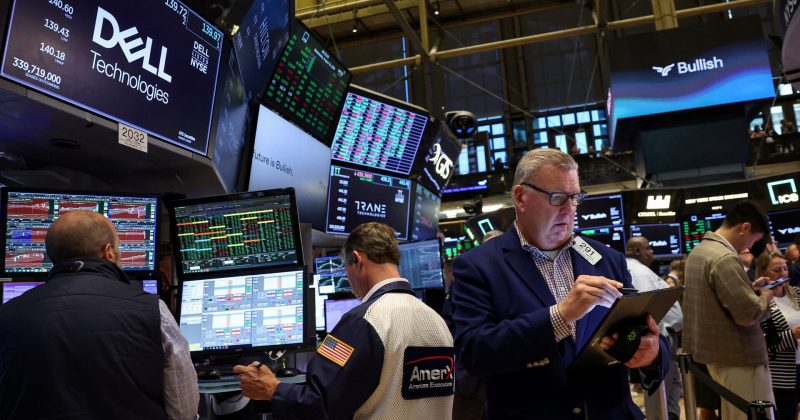
Market Alert: Surging Treasury Yields Drag Down S&P 500 and Nasdaq
This trend poses a direct challenge to growth stocks and the crypto market, as higher risk-free rates diminish the appeal of volatile assets. As the probability of Fed rate cuts fades, the liquidity that typically fuels crypto and tech sectors faces significant headwinds, driving a rotation toward safer, yield-bearing government securities.
