Bitcoin Defies US-Iran Tensions as S&P 500 Faces Potential Short Squeeze
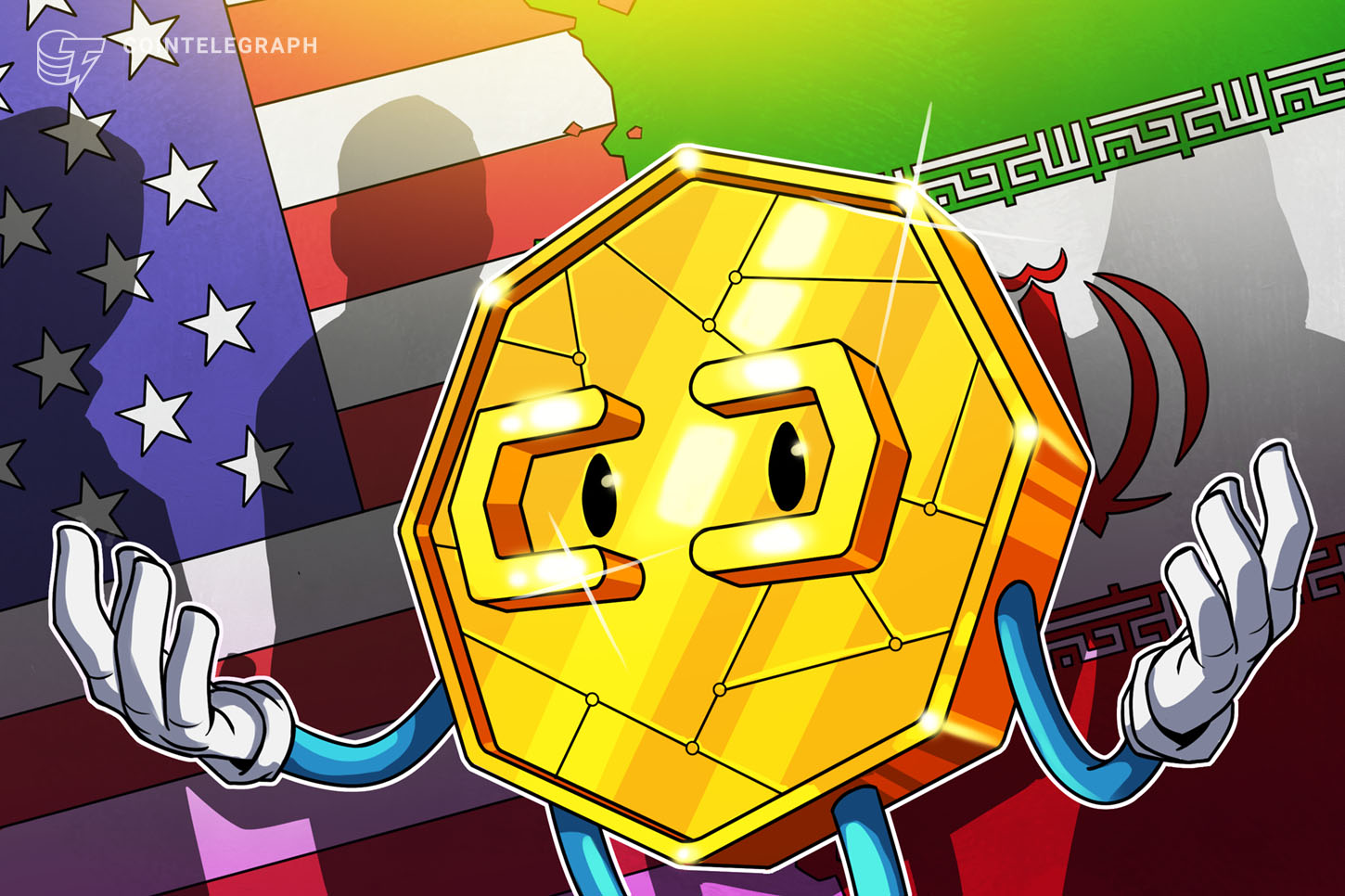
Bitcoin has displayed remarkable strength, brushing off the escalating US-Iran geopolitical tensions that have rattled traditional risk assets. Despite the global uncertainty, BTC/USD recently touched five-week highs near $67,000, proving its capacity to hold value even amidst significant international friction.
Market analysts are now looking toward a potential divergence where Bitcoin outperforms the S&P 500. With a possible short squeeze on the horizon for US equities, the crypto market is showing signs of decoupling from traditional stock volatility, positioning BTC as a dominant force in the current macro environment.
Bitcoin (BTC) held steady on Wednesday, successfully navigating the geopolitical jitters stemming from the US-Iran escalation. While the broader market reacted to the threat of conflict, Bitcoin showed resilience, briefly hitting five-week highs near the $67,000 mark. According to TradingView data, although the pair saw a minor 1% intraday dip, the underlying trend suggests that Bitcoin is preparing to outperform US equities, especially as the S&P 500 faces a potential short squeeze scenario.
This is a summarized and adapted version by Artificial Intelligence. To read the complete original story, visit the official source.
Read Full Article at CoinTelegraphSupport Jornal Bitcoin
Independent journalism, curated by AI, no clickbait. Keep the flame alive with any amount of BTC.
jonata@walletofsatoshi.comDaily Crypto Brief 📬
Subscribe to receive the curation of the most important Bitcoin and crypto news, summarized by AI. No spam.
Join more than 10,000 smart readers.
Related News
Inflation Cooling: June CPI and PPI Data Shift Fed Rate Hike Expectations
As inflation cools, the market is recalibrating the odds of Federal Reserve rate hikes, with significant probabilities projected through late 2026. Understanding the interplay between these CPI figures and Fed policy is essential for navigating the upcoming volatility in both traditional and crypto markets.
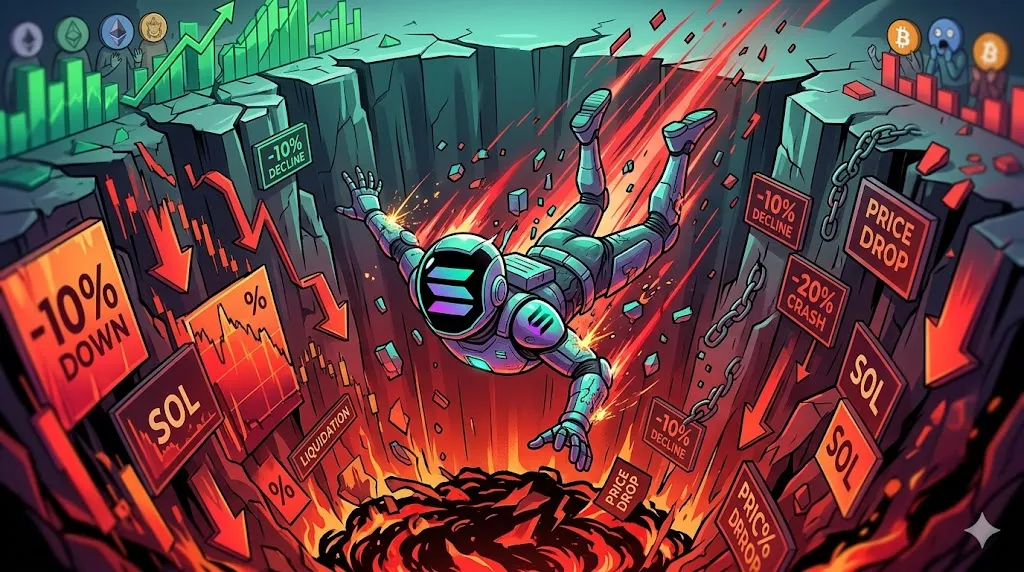
Grayscale Moves to Boost Solana Trust with Quarterly Staking Rewards
By integrating these rewards, Grayscale is positioning the Solana Trust as a high-utility vehicle for institutional capital. This move could bridge the gap between pure price exposure and yield-bearing assets, potentially driving massive inflows into the Solana ecosystem as investors seek to optimize their crypto portfolios with automated staking yields.
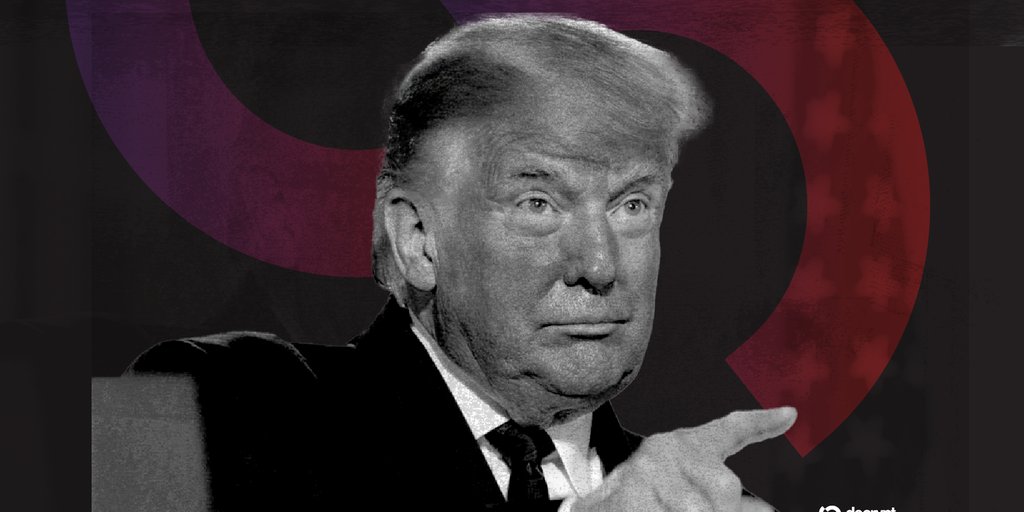
Clarity Act Update: New Draft Bars Trump from Crypto Ventures Until 2029
While the bill provides much-needed protection for non-custodial developers, the ethics ban is not permanent, set to expire in 2029. Furthermore, the burden of enforcement rests entirely with the Department of Justice (DOJ), leaving the long-term impact of these regulations on political involvement in the digital asset space to be determined.
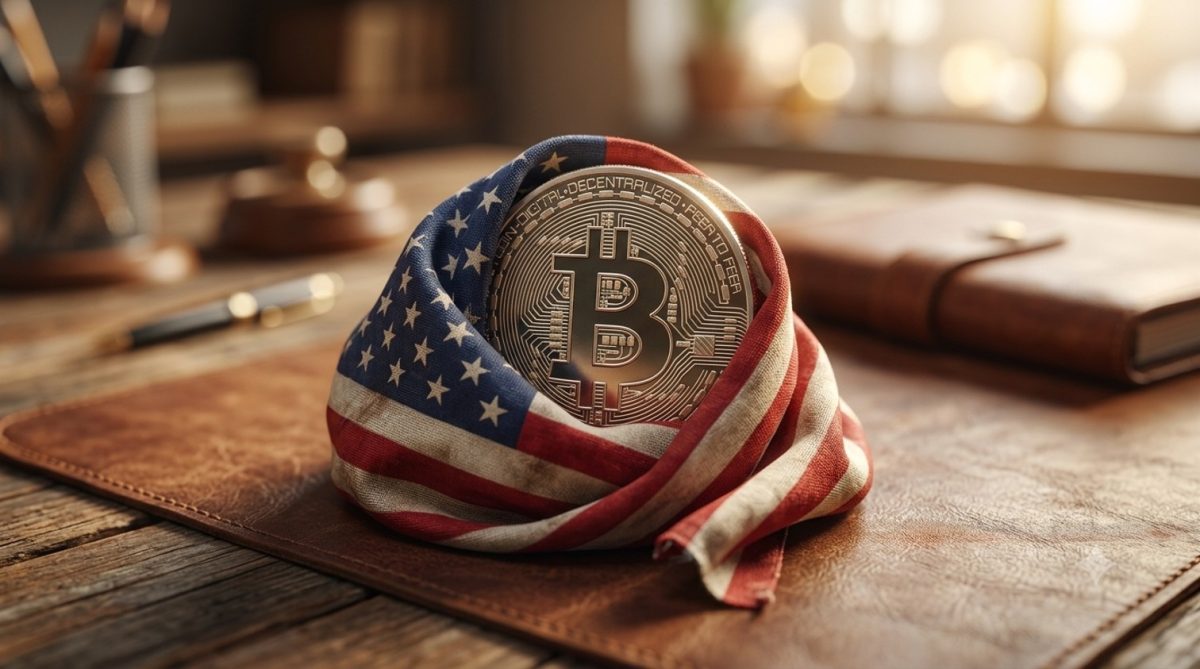
Crypto Powerhouse: Industry Contributes $55 Billion to US GDP and Drives Massive Job Growth
The scale of this growth is staggering, with the crypto industry contributing an estimated $55 billion to the US GDP. This economic engine is also fueling a massive multiplier effect, generating over 75,000 indirect jobs and creating a vast ecosystem of professional opportunities within the digital asset space.
US Senate Unveils Updated Clarity Act Featuring Ethics Rules and Developer Protections
However, the path to final approval for the Clarity Act remains uncertain as lawmakers seek a broader consensus. The outcome of this bill will be a pivotal moment for crypto regulation in the United States, potentially setting the standard for how government oversight interacts with blockchain innovation and software development.
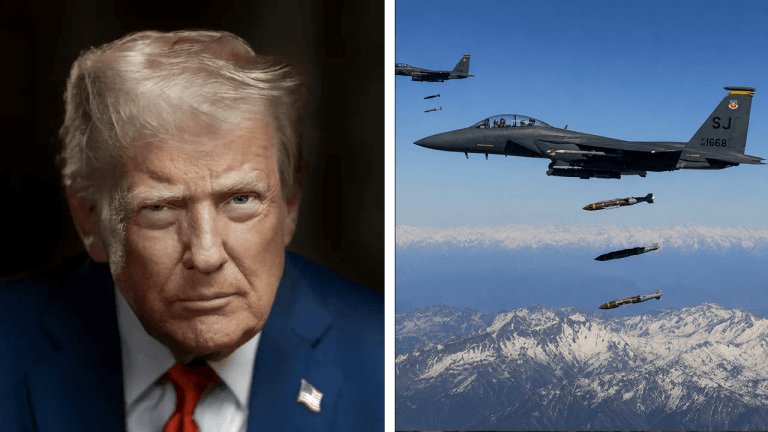
Trump Draws Red Line: US Vows to Destroy Iranian Infrastructure Over Ship Attacks
This development marks a critical turning point in the 2026 Iran war rhetoric, carrying profound implications for global stability and market volatility. As the threat against Iranian infrastructure looms, the international community faces heightened risks of a direct military confrontation that could reshape the global economic landscape.
