The Million-Dollar Mistake: Why Waiting for Bitcoin's 4-Year Cycle Bottom Could Backfire

Stop waiting for the dip: the classic Bitcoin four-year cycle strategy is facing a massive disruption. Market analysts warn that relying solely on historical patterns could lead to significant missed gains as the market structure undergoes a fundamental shift.
Institutional developments and the massive influx of capital through Bitcoin ETFs are actively reshaping market dynamics. This institutionalization means the predictable halving-driven cycles may no longer hold true, potentially causing the market to move upward much faster than retail investors anticipate.
A prominent market analyst warns that waiting for the bottom of Bitcoin's traditional four-year cycle could be a costly mistake for investors. The core argument is that the market is no longer operating under the same rules that governed previous bull and bear runs.
Institutional developments are the primary driver behind this shift. As major financial institutions integrate Bitcoin into their portfolios via ETFs, the historical supply-demand mechanics are being rewritten. This structural evolution suggests that the typical cycle patterns are being disrupted, meaning the 'bottom' might arrive much sooner—or much higher—than historical models predict.
This is a summarized and adapted version by Artificial Intelligence. To read the complete original story, visit the official source.
Read Full Article at CryptoPotatoSupport Jornal Bitcoin
Independent journalism, curated by AI, no clickbait. Keep the flame alive with any amount of BTC.
jonata@walletofsatoshi.comDaily Crypto Brief 📬
Subscribe to receive the curation of the most important Bitcoin and crypto news, summarized by AI. No spam.
Join more than 10,000 smart readers.
Related News

MicroStrategy's Bitcoin Reserve Secures 31 Years of Dividend Coverage
This development pivots investor attention from simple Bitcoin purchases to the company's robust ability to sustain preferred-share obligations. As the cash buffer reaches $3.2 billion, the Bitcoin reserve is emerging as the definitive metric for Strategy Inc.'s financial strength and its unique approach to corporate treasury management.
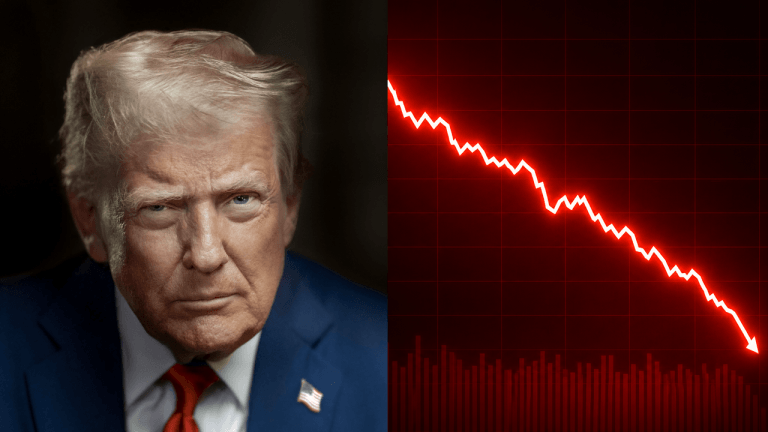
Geopolitical Chaos: Trump Vows Retaliation as Iran Strikes Shake Wall Street and Crypto Markets
Amidst this heightened volatility, Bitcoin is showing notable strength, holding steady near the $65,000 level even as traditional equities struggle to find footing. As Wall Street enters a critical earnings week, the intersection of geopolitical tension and commodity price spikes is forcing investors to re-evaluate the role of digital assets as a hedge against systemic instability.

AI Gold Rush: IREN Secures $2.8B in Contracts, Aiming for $4B Revenue Milestone
Leveraging strategic partnerships with industry titans Microsoft and NVIDIA, IREN has already locked in 85% of its ambitious $4 billion AI revenue target. This massive expansion underscores the critical intersection between digital asset infrastructure and the burgeoning AI cloud economy.

Mastering Crypto Derivatives: CFDs, Options, Perpetuals, and Futures Explained
Navigating this landscape requires more than just market timing; it demands an understanding of diverse risk profiles and varying regulatory frameworks. Each derivative type functions uniquely, meaning mastery of their specific mechanics is vital for survival in the volatile crypto derivatives market.

Geopolitical Flashpoint: US Strikes Hit IRGC Base in Iran, Fueling Global Uncertainty
As geopolitical instability rises, the impact on the crypto market remains a primary concern for traders seeking liquidity and safety. The potential for increased volatility in Bitcoin and other digital assets is high, as investors react to the sudden shift in the global security landscape.

Trade War Alert: Trump Hits Canada with 50% Tariffs—What It Means for Crypto
As these tariffs take effect, the ripple effects could extend far beyond North American borders, directly impacting the crypto market. Investors are closely watching how this geopolitical tension influences the demand for Bitcoin and digital assets, which are increasingly viewed as essential hedges against macroeconomic instability and trade-driven inflation.
