Bitcoin Under Siege: Hormuz Strait Tensions Threaten $62K Support

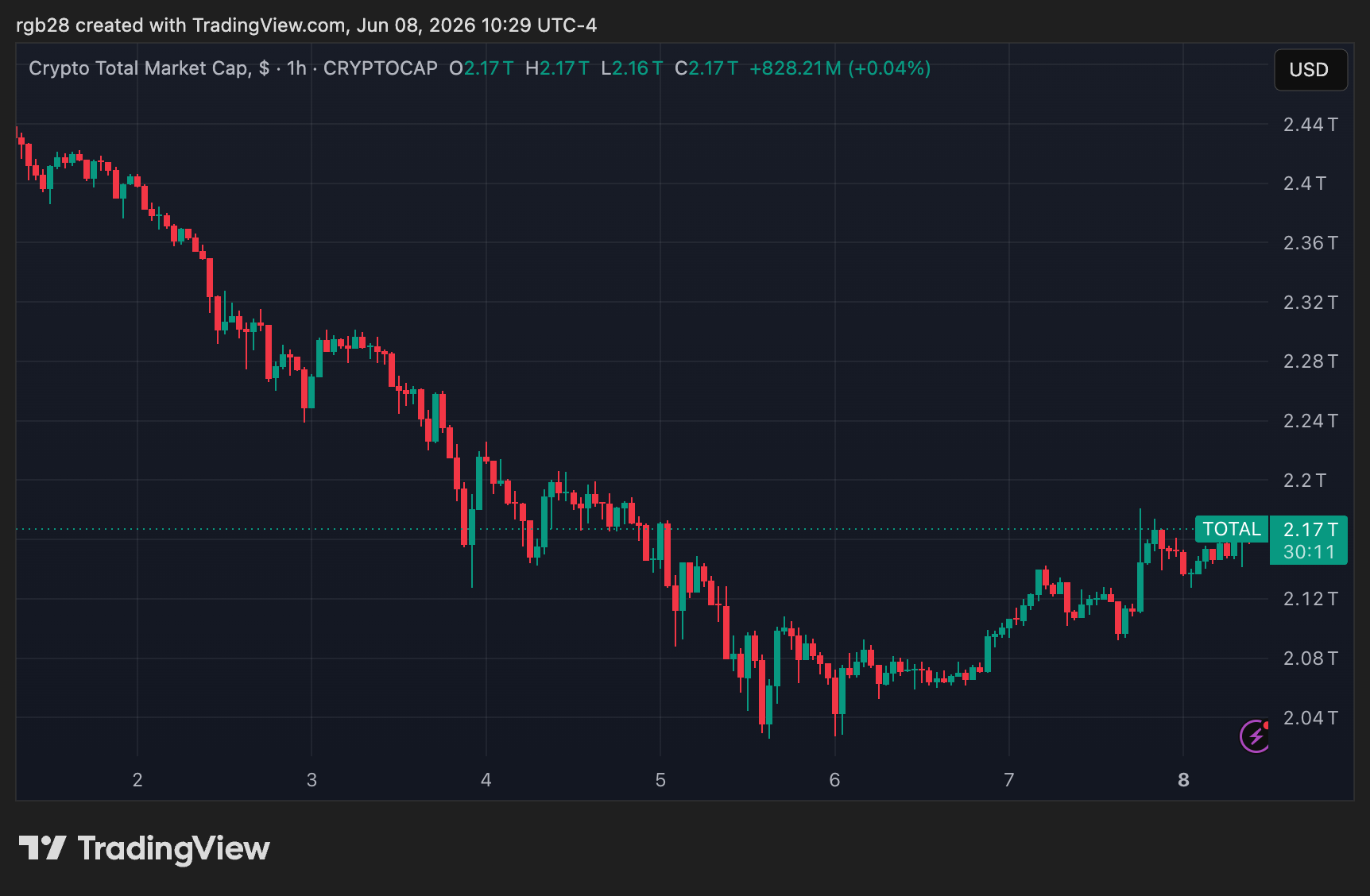
Bitcoin bulls are fighting a losing battle against geopolitical instability. As rhetoric intensifies between the US and Iran regarding the control of the Strait of Hormuz, Bitcoin (BTC) is struggling to hold the critical $62,000 level amidst a broader market sell-off.
Wall Street's downward opening reflects a massive shift toward risk aversion. The escalating tensions in the Middle East are driving investors away from volatile assets, creating a challenging environment for Bitcoin as it navigates this sudden macro-economic shock.
Bitcoin bulls faced an uphill struggle to preserve the $62,000 mark during Monday's Wall Street open. The market reacted sharply to heightened US-Iran tensions following rhetoric suggesting US involvement in the Strait of Hormuz. As stocks tumbled, Bitcoin (BTC) fell further, caught in a wider rout of risk assets triggered by the escalating geopolitical uncertainty.
This is a summarized and adapted version by Artificial Intelligence. To read the complete original story, visit the official source.
Read Full Article at CoinTelegraphSupport Jornal Bitcoin
Independent journalism, curated by AI, no clickbait. Keep the flame alive with any amount of BTC.
jonata@walletofsatoshi.comDaily Crypto Brief 📬
Subscribe to receive the curation of the most important Bitcoin and crypto news, summarized by AI. No spam.
Join more than 10,000 smart readers.
Related News

The Future of Finance: Blockchain.RIO Unveils 13 Content Tracks to Shape Latin America's Digital Infrastructure
By focusing on the deep-seated shifts in digital finance, the event aims to bridge the gap between emerging technologies and institutional adoption. This gathering is a critical milestone for stakeholders looking to grasp how blockchain technology is reshaping the regional economy and setting new global standards for financial systems.
Washington's Clock: The CLARITY Act Debate and the High-Stakes Crypto Lobby Battle
This delay creates a critical window of uncertainty for the entire digital asset ecosystem. As lawmakers navigate their busy agendas, the industry remains on edge, waiting to see if the CLARITY Act will provide the much-needed regulatory framework or if political inertia will continue to stall crypto policy progress.

New Hampshire Doubles Down on Crypto: 'Blockchain Basic Laws' Officially Signed
Following recent discussions regarding Bitcoin reserves, this move signals a proactive approach to securing decentralized infrastructure. By specifically safeguarding mining and staking operations, the state is building a competitive moat to attract blockchain developers and institutional liquidity.
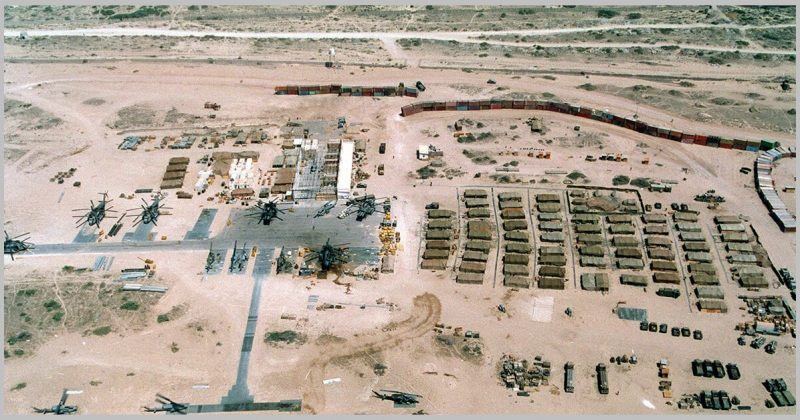
War Escalation: Iran Targets US Military in Kuwait with Drones and Cruise Missiles
Beyond the immediate tactical strikes, this escalation risks destabilizing the entire region and causing massive shocks to global oil markets. As the U.S. and its allies prepare for potential military responses, the ripple effects could trigger unprecedented volatility across international energy sectors and global financial stability.

Michael Saylor’s Strategy: Cash Reserves Surge by $450M as Bitcoin Buying Pauses
This strategic pivot follows recent divestments and suggests a period of liquidity building. By prioritizing a massive cash reserve over immediate Bitcoin expansion, Saylor is positioning the company to navigate market volatility while maintaining significant dry powder for future opportunities.

Data War: Proposal to 'Clean' the Bitcoin Network Fails Due to Lack of Miner Support
The lack of consensus among validators underscores the immense difficulty of altering the Bitcoin protocol. While proponents of the 'cleanup' seek to optimize block space, the resistance from the mining community signals that any attempt to restrict non-financial data usage will face significant hurdles, keeping the debate over scalability and blockchain purpose at the forefront of the industry.
