Livecoins

Bitcoin Community Makes Historic Move to Seize Control of .bitcoin Domain
August 6, 202601:26 PM
Bitcoin Community Makes Historic Move to Seize Control of .bitcoin Domain

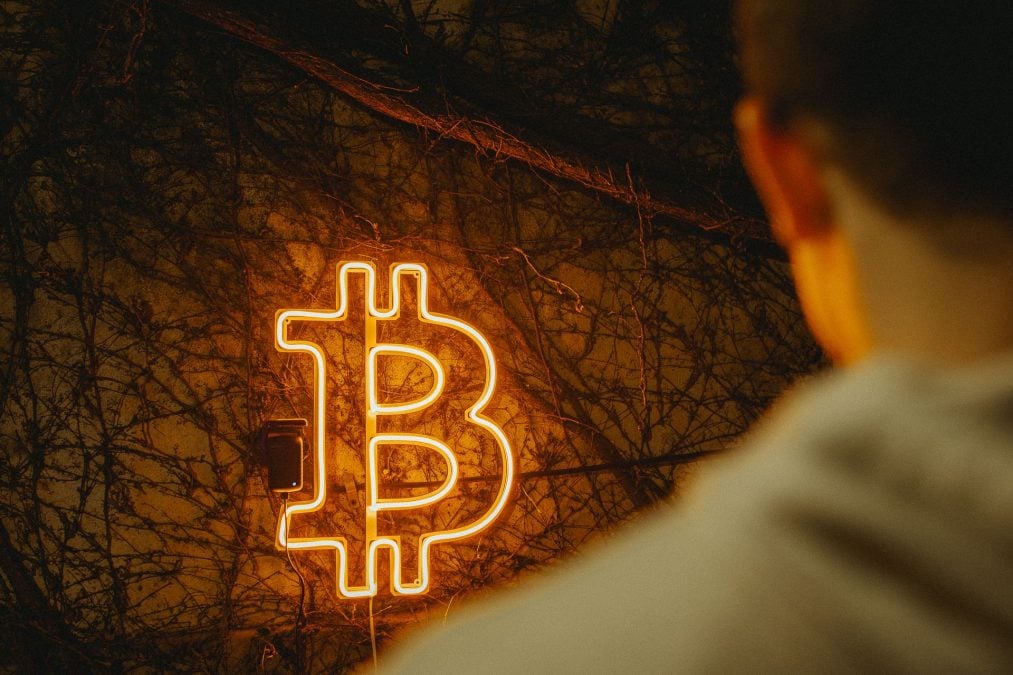
The Bitcoin community is mounting a coordinated effort to gain control of the .bitcoin domain, preventing it from being auctioned off to unrelated third parties. Led by developer 'wiz', creator of mempool.space, this initiative represents a strategic battle to protect the digital identity of Bitcoin. With ICANN accepting applications for new generic top-level domains (gTLDs), the community seeks to restrict .bitcoin exclusively to authentic projects related to Bitcoin. This movement could establish an important precedent for protecting digital brands in cryptocurrencies and defining the boundaries of control over the digital identity of the most influential protocol in the sector.

This is a summarized and adapted version by Artificial Intelligence. To read the complete original story, visit the official source.

Read Full Article at Livecoins
QR Code Lightning

Support Jornal Bitcoin

Independent journalism, curated by AI, no clickbait. Keep the flame alive with any amount of BTC.

Wallet of Satoshi
jonata@walletofsatoshi.com

Daily Crypto Brief 📬

Subscribe to receive the curation of the most important Bitcoin and crypto news, summarized by AI. No spam.

Join more than 10,000 smart readers.

Related News

Coldcard Security Flaw Costs Bitcoin Holders Over $100 Million
Portal do Bitcoin★ Featured

Coldcard Security Flaw Costs Bitcoin Holders Over $100 Million

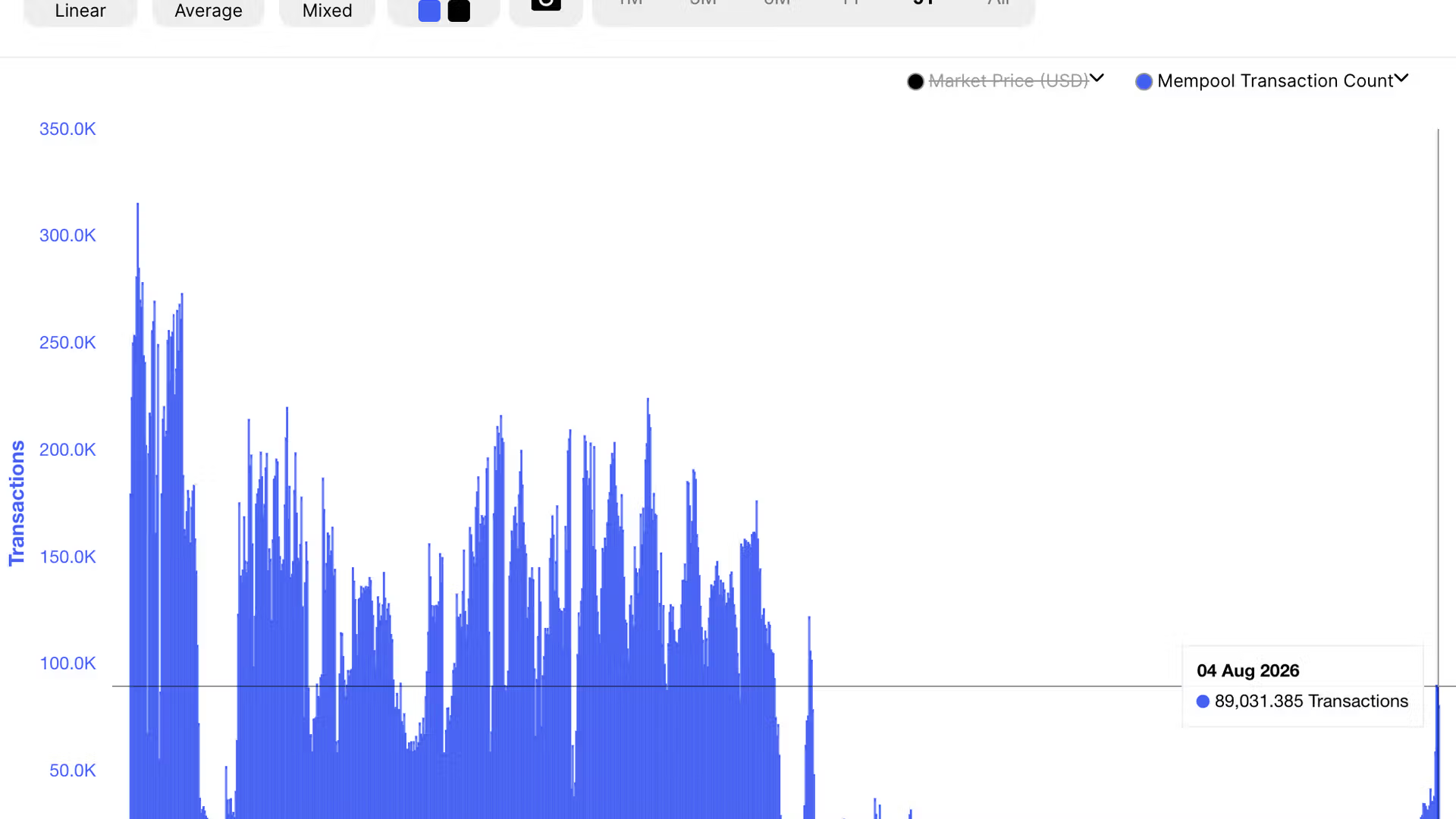
A Coldcard, widely regarded as one of the most secure Bitcoin hardware wallets, has suffered a critical security flaw resulting in losses exceeding $100 million for cryptocurrency holders, revealing unexpected vulnerabilities in the hardware wallet infrastructure. The incident has reignited fundamental discussions about trust in cryptocurrency storage solutions and the need for independent security audits, as the Bitcoin community seeks to understand whether this is an isolated incident or a systemic issue affecting other physical wallets in the ecosystem.
The $120 million Coldcard hack lights up Bitcoin's memory pool
CoinDesk★ Featured

The $120 million Coldcard hack lights up Bitcoin's memory pool

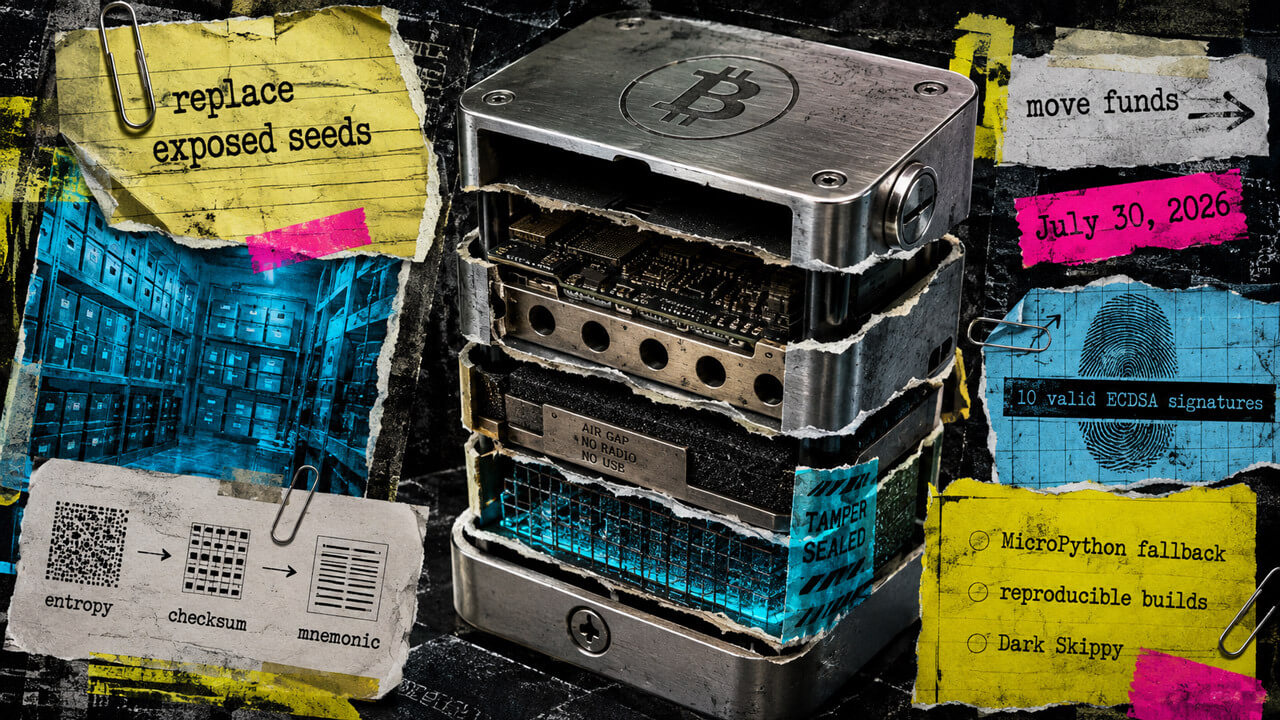
Intel Brief: Coldcard, a popular Bitcoin hardware wallet, suffered a major hack resulting in $120 million being stolen, with suspicious transactions lighting up Bitcoin's memory pool. The incident represents one of the largest security breaches in the crypto ecosystem this year. The hack comes at a critical time for hardware wallet security, as the Bitcoin community actively monitors the mempool to track the stolen funds. This incident reignites debates about the need for better security protocols and may accelerate the development of more robust solutions for digital asset protection.
AI: A More Immediate Threat to Bitcoin Than Quantum Computers
CryptoSlate★ Featured

AI: A More Immediate Threat to Bitcoin Than Quantum Computers

Artificial Intelligence has emerged as a more concrete and immediate threat to Bitcoin security than quantum computers, according to industry experts. While quantum computing still represents a future risk, vulnerabilities in Bitcoin's offline keys already being exploited by AI pose a present danger. Offline keys, which depend on entropy, firmware, signing, and recovery, built from fallible software and hardware, have become easy targets for advanced AI algorithms.

This revelation sets off a red alert for the Bitcoin community, highlighting the urgent need for more robust security solutions. AI's ability to identify patterns and vulnerabilities in hardware and software systems represents an unprecedented challenge for decentralized financial sovereignty. As the quantum race continues, the community must prioritize developing AI-resistant protocols and educating users about the risks associated with existing cryptocurrency storage solutions.

Saylor Tells BIP-110 Backers to 'Stand Down' as Bitcoin Network Faces Potential Split
Bitcoin.com

Saylor Tells BIP-110 Backers to 'Stand Down' as Bitcoin Network Faces Potential Split

Michael Saylor, executive chairman of Strategy, has issued a stark warning to supporters of the contentious BIP-110 proposal, ordering them to 'stand down' before an upcoming deadline that could potentially split the Bitcoin network in two. Saylor's declaration, posted on X on August 4, represents direct opposition to a proposal that has divided the crypto community and threatens the stability of the Bitcoin ecosystem. The controversy surrounding BIP-110 highlights growing tensions within the Bitcoin community over network governance and development. As the block count approaches the critical threshold of 961,022, pressure mounts for a resolution. Saylor's position, as an influential figure in the crypto space, could significantly impact the outcome of this dispute, which carries profound implications for Bitcoin's future and its global adoption.
MARA Opens Slipstream to Public as Coldcard Victims Race to Escape

Bitcoin.com★ Featured

MARA Opens Slipstream to Public as Coldcard Victims Race to Escape

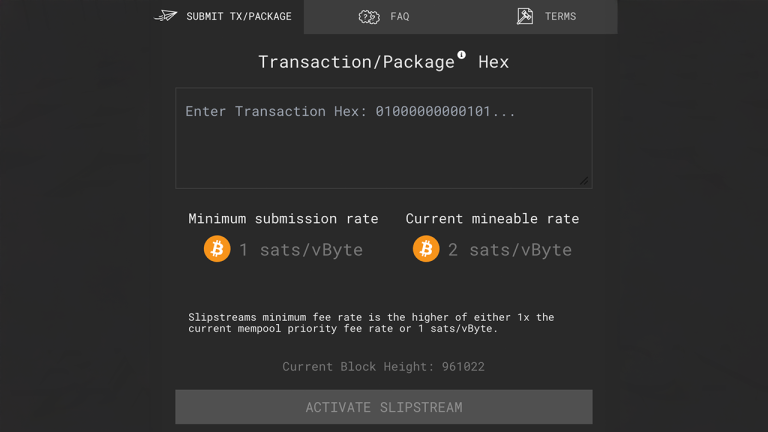
The MARA Foundation has just opened its Slipstream service to the general public, removing access code requirements, at a critical moment for thousands of Bitcoin holders. This move comes as a flaw in the Coldcard hardware wallet is forcing a mass exodus of funds, creating a unique opportunity for the Nasdaq-listed company's platform. This strategic move positions MARA as a savior for the Bitcoin community, offering a secure and accessible solution amid the chaos caused by the Coldcard issue. The company, which already operates as a Bitcoin miner and AI infrastructure provider, is now extending its services to protect digital assets, potentially attracting new users concerned about cryptocurrency security during this period of instability.
Coldcard Losses Hit $114M as Bitcoin Transfers Plummet
Decrypt★ Featured

Coldcard Losses Hit $114M as Bitcoin Transfers Plummet

Coldcard wallet has suffered losses approaching $114 million in a coordinated attack, as Bitcoin transfers under 1 BTC reached levels not seen since the days following the FTX collapse. Galaxy Research has flagged a likely fourth wave of thefts targeting the cryptocurrency ecosystem. This incident occurs at a time of growing concern over hardware wallet security, with small transfers potentially indicating money laundering attempts or efforts to disperse stolen funds. The Bitcoin community is on high alert as experts warn that new vulnerabilities may be exploited by organized hacking groups.
Jornal Bitcoin Logo