Bitcoin Civil War? The BIP-110 Proposal Splitting the Entire Ecosystem
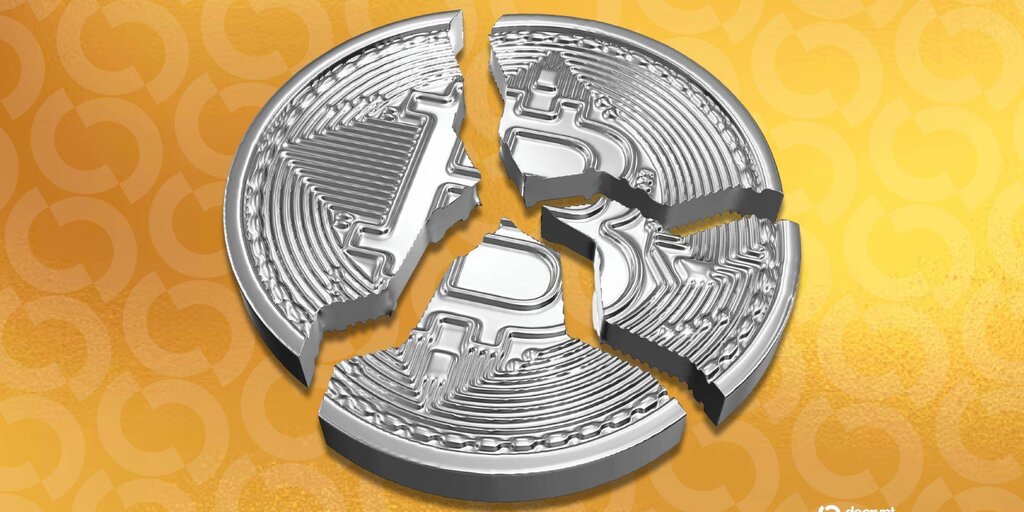
A massive governance rift is tearing through the Bitcoin ecosystem as the BIP-110 proposal gains momentum. This controversial move aims to restrict non-financial data on the blockchain, sparking a fierce confrontation between those prioritizing network efficiency and those advocating for decentralized utility.
With a critical activation deadline looming, the debate has mobilized developers, miners, and industry titans, echoing the intensity of the legendary Blocksize Wars. The outcome of this conflict will likely dictate the long-term roadmap of Bitcoin, determining whether it evolves into a multi-purpose data layer or remains a pure financial settlement engine.
A proposal to restrict non-financial data on Bitcoin has split prominent developers, miners, and industry leaders ahead of a key activation deadline. This movement is reopening one of the network's biggest governance debates since the Blocksize Wars, forcing the community to decide on the fundamental purpose of the blockchain.
This is a summarized and adapted version by Artificial Intelligence. To read the complete original story, visit the official source.
Read Full Article at DecryptSupport Jornal Bitcoin
Independent journalism, curated by AI, no clickbait. Keep the flame alive with any amount of BTC.
jonata@walletofsatoshi.comDaily Crypto Brief 📬
Subscribe to receive the curation of the most important Bitcoin and crypto news, summarized by AI. No spam.
Join more than 10,000 smart readers.
Related News

Japan Crypto Pivot: Reclassification as Financial Instruments Paves Way for Spot ETFs
By integrating crypto into the existing financial instrument framework, Japanese regulators are removing the legal hurdles that have previously stalled market expansion. This evolution is expected to trigger a massive influx of institutional liquidity and solidify Japan's role as a leader in the global crypto regulatory landscape.

$131M Blow: US Freezes Iran-Linked Crypto Amid Escalating Military Conflict
The freeze coincides with a surge in regional instability, driven by renewed military strikes and a strategic naval blockade. As geopolitical tensions rise, this crackdown underscores how the US is leveraging blockchain surveillance to combat state-sponsored activities and mitigate the impact of global conflicts.

Bitcoin Surges Past $65K: Polymarket Odds for Fed July Hold Skyrocket to 95%
The massive jump in odds reflects a market that is pricing in a more stable interest rate environment. As Bitcoin gains strength, the convergence of crypto momentum and Fed expectations suggests a pivotal moment for risk assets and broader macroeconomic stability.

Geopolitical Shockwave: Drone Strike in Kuwait Port Heightens US-Iran Tensions
As military tensions escalate, the potential for broader conflict could trigger significant market volatility and shifts in investor sentiment. For the crypto market, such geopolitical shocks often lead to rapid fluctuations as traders react to supply chain risks and the shifting landscape of global energy and financial stability.

Stanford Study Uncovers Manipulation Risks in Polymarket's 5-Minute Bitcoin Prediction Markets
By utilizing Chainlink price feeds for settlement, the current structure allows for strategic market interference just before a contract expires. The researchers documented sharp spikes in Bitcoin spot-market order flow followed by rapid price reversals, signaling clear patterns of settlement-price manipulation. To safeguard market integrity, the study recommends implementing longer settlement windows to reduce the profitability of such predatory tactics.
Crypto Frenzy: England vs Argentina World Cup Semifinal Ignites Fan Token Trading
This surge in activity highlights the extreme volatility of fan tokens and memecoins, underscoring their massive speculative appeal. While these assets offer high-reward potential, the sudden influx of capital also emphasizes the significant market risks involved in trading speculative tokens during major global events.
