Bitcoin (BTC) Poised for $67K Breakout? Weekly MA200 Signals Potential Major Rally
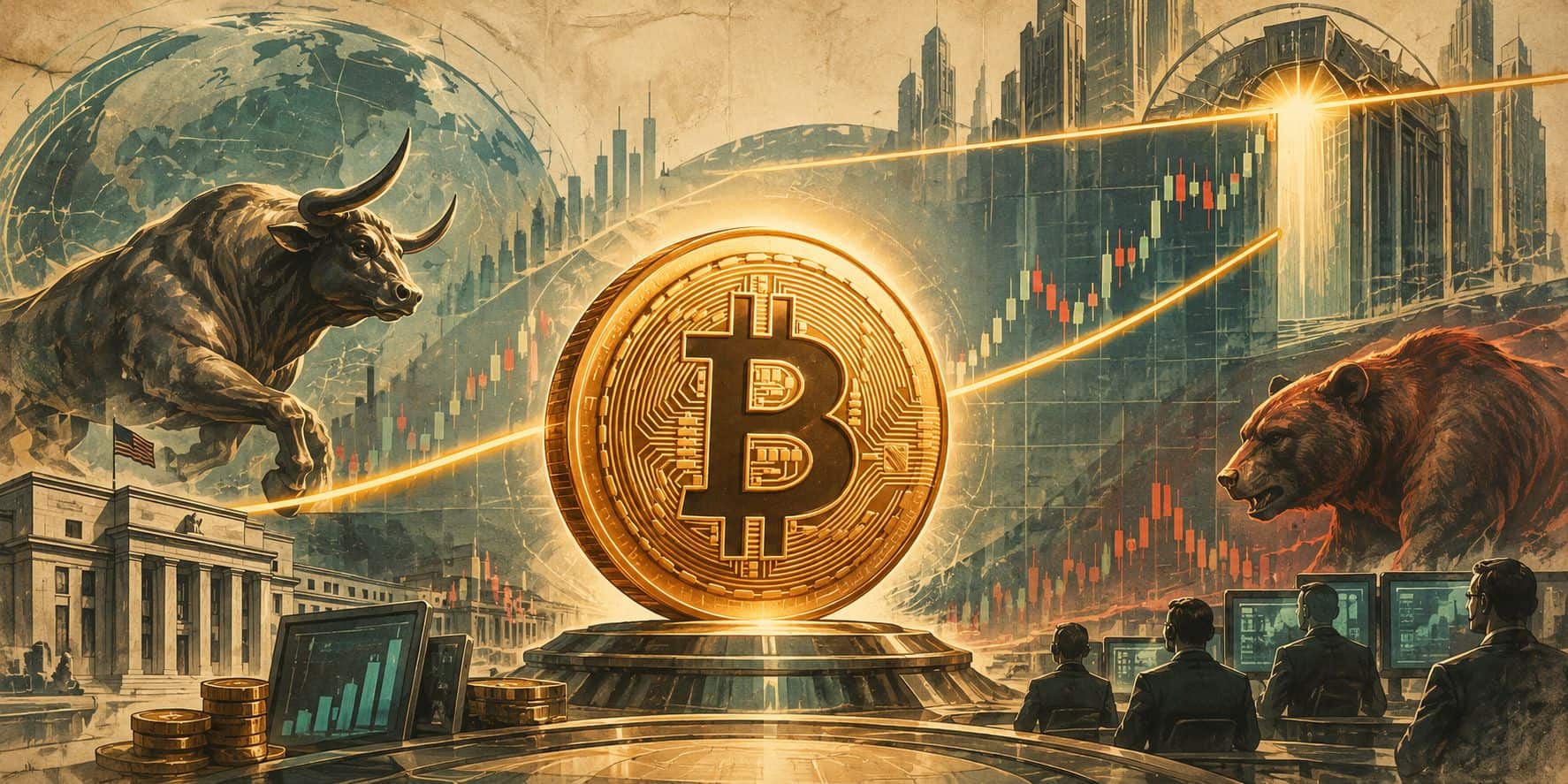
Bitcoin (BTC) is showing signs of stabilization after months of sustained weakness, with traders closely watching whether a long-term technical support zone can fuel a move toward the $67,000 resistance area. The weekly MA200 (200-day moving average) has emerged as a critical indicator that could signal a potential trend reversal and trigger significant buying pressure.
This pivotal moment in the cryptocurrency market could define Bitcoin's next major price movement, as investors monitor key support and resistance levels with heightened attention. A successful breakout above $67,000 could pave the way for new all-time highs, while failure to maintain technical support might lead to further downside pressure. Bitcoin's volatility remains elevated, demanding robust risk management strategies from market participants.
This is a summarized and adapted version by Artificial Intelligence. To read the complete original story, visit the official source.
Read Full Article at Brave New CoinSupport Jornal Bitcoin
Independent journalism, curated by AI, no clickbait. Keep the flame alive with any amount of BTC.
jonata@walletofsatoshi.comDaily Crypto Brief 📬
Subscribe to receive the curation of the most important Bitcoin and crypto news, summarized by AI. No spam.
Join more than 10,000 smart readers.
Related News

Bitdeer lands $4.7B AI lease with Anthropic, but must deliver by year-end
The agreement, however, comes with a critical condition: Bitdeer must deliver the promised infrastructure by year-end. The announced value assumes full performance, while details regarding credit issuance, committed project debt, and delay protections remain undisclosed. This development could potentially boost Bitdeer's stock price and attract increased institutional interest to the cryptocurrency sector, particularly for companies seeking to diversify beyond traditional mining operations.
Bitcoin ETF Inflows Explode After $130M Coldcard Security Breach
This migration represents a significant shift in investor security mindset within the cryptocurrency space. While cold wallets have traditionally been seen as the gold standard for digital asset protection, the Coldcard incident exposes vulnerabilities even in the most reputable solutions. Bitcoin ETFs offer a convenient and regulated alternative, albeit with higher costs, but one that appears to be gaining traction among investors concerned about the security of their digital assets.

AI Capital Rotation to Crypto: SanDisk and WD Crash Signals Bitcoin and Gold Surge
The trend of divestment from AI-focused technology companies, even with solid fundamentals, suggests that the market is pricing in a cycle of maturity or overvaluation in this sector. Investors are redirecting their resources to assets considered safer or with greater long-term appreciation potential, such as Bitcoin and gold. This capital rotation could accelerate the institutional adoption of cryptocurrencies, as investment funds seek alternatives to diversify their portfolios and mitigate risks in a global economic uncertainty environment.

Senator Proposes Revolutionary Framework for Crypto Fintech Regulation in Brazil

VCT EMEA Finals Leave Berlin for Barcelona in a First for the Region
The shift to Barcelona has the potential to enhance regional esports visibility, influencing fan engagement and investment dynamics in Europe. This strategic relocation could open new doors for sponsorships and partnerships, positioning Barcelona as a new epicenter for esports growth on the continent, with potential implications for the cryptocurrency and NFT industries associated with the gaming ecosystem.

Criminals Steal Over $30M from Crypto Holders as Wrench Attacks Surge Worldwide
The surge in violent attacks targeting crypto investors reflects a dangerous shift in digital security threats, where criminals are increasingly willing to use physical force to access digital assets. Experts warn that the anonymity of cryptocurrencies, combined with the high value that can be physically transported on storage devices, makes holders vulnerable targets. This phenomenon is driving increased demand for physical security solutions and education on secure storage practices within the crypto ecosystem.
