Binance Eyes New European Licenses Following MiCA Setback, Says Co-CEO

Binance is actively exploring new licensing pathways into Europe as it navigates the aftermath of its MiCA application withdrawal in Greece. Co-CEO Richard Teng revealed that regulators have invited the exchange to apply for new crypto licenses, signaling a strategic pivot to maintain its footprint within the European Union's evolving legal landscape.
This development comes as the Markets in Crypto-Assets (MiCA) regulation becomes the gold standard for compliance in the EU. Following the expiration of the transition period on July 1, firms must operate through MiCA-authorized entities to serve European clients. Binance's ability to secure these new licenses will be a decisive factor in its ongoing battle to balance rapid Asian expansion with strict European regulatory requirements.
Teng stated at the Reuters NEXT Asia conference in Singapore that these discussions are still "premature" and declined to identify specific jurisdictions. MiCA has created a single licensing framework for crypto firms across the European Union. Since the bloc's transition period expired on July 1, the European Securities and Markets Authority has mandated that crypto firms must serve EU clients through a MiCA-authorized entity, with limited exceptions for unsolicited cross-border business.
This is a summarized and adapted version by Artificial Intelligence. To read the complete original story, visit the official source.
Read Full Article at CoinTelegraphSupport Jornal Bitcoin
Independent journalism, curated by AI, no clickbait. Keep the flame alive with any amount of BTC.
jonata@walletofsatoshi.comDaily Crypto Brief 📬
Subscribe to receive the curation of the most important Bitcoin and crypto news, summarized by AI. No spam.
Join more than 10,000 smart readers.
Related News
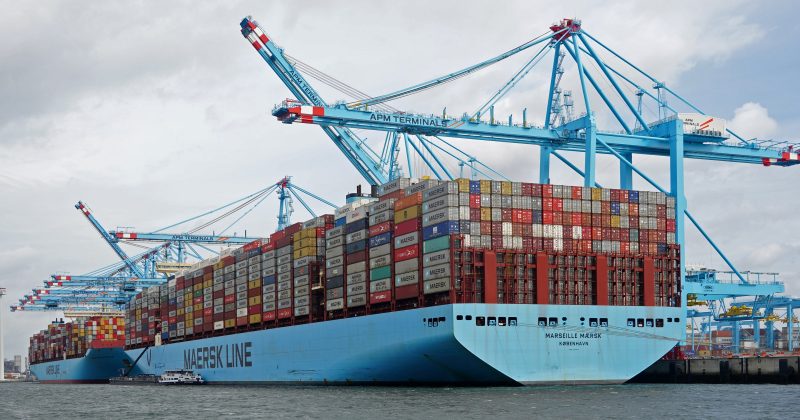
Shipping Cost Surge: Why the 2022-Level Spike is a Red Flag for Crypto
As inflation climbs, the impact on risk assets becomes unavoidable. For the cryptocurrency market, these rising costs represent a significant headwind, as higher interest rates typically reduce the appetite for volatile assets, potentially stifling the next major crypto rally.

Why Bitcoin is Stalling: 5 Critical Reasons Behind the Heavy Price Pressure
This prolonged period of stagnation is driven by a confluence of technical indicators and broader market sentiment. For investors looking to understand the current volatility, analyzing these five key reasons is vital to determining whether this is a temporary correction or a deeper trend shift for Bitcoin.

SHIB Price Alert: Is This a Real Recovery or a Dead-Cat Bounce? The Stochastic Signal Explained
For a genuine SHIB recovery to take hold, the market needs to see a significant surge in trading volume to validate the stochastic signal. Until then, the 65/35 odds favor a fading bounce, suggesting that investors should remain wary of low-liquidity rallies in the volatile Shiba Inu ecosystem.

Viper's MSI History Maker: Why Crypto-Gaming Investors Are Watching This Meta Shift
For the crypto-gaming sector, this level of innovation is a critical indicator. As professional esports players drive radical changes in game dynamics, they create new engagement patterns that present lucrative, diverse investment opportunities for those tracking the intersection of competitive gaming and digital assets.

Fiorentina Secures €20M+ Arthur Atta Deal: Football Transfer Inflation Mirrors Crypto Volatility
This surge in football's transfer inflation serves as a cautionary tale regarding economic volatility. Much like the crypto market, the football industry is seeing a decoupling of asset value from traditional metrics, driven by speculative demand and massive capital inflows that could lead to significant market corrections.
Iran War Escalation: Is Bitcoin Proving to Be the Ultimate Safe Haven?
This ongoing conflict underscores the growing potential for cryptocurrencies to serve as alternative safe-haven assets. As global financial dynamics shift under the weight of war, the ability of Bitcoin to provide stability could redefine its role in the modern economic order.
