Binance Phishes Its Own Staff Monthly to Preempt Cyberattacks

Binance is conducting monthly simulated phishing attacks against its own workforce to bolster its defensive posture. Chief Security Officer Jimmy Su revealed that the exchange utilizes an internal red team to identify critical vulnerabilities before malicious actors can exploit them.
This aggressive security protocol serves as a vital litmus test for the company's digital hygiene. Employees who consistently fail these simulated attacks face remediation training or potential termination, highlighting Binance's zero-tolerance approach to internal security risks in the volatile crypto market.
Binance has been running simulated phishing attacks against its own employees for the past four years to get ahead of potential cyberattacks. According to Binance Chief Security Officer Jimmy Su, the exchange even maintains the authority to fire staff members who repeatedly fail these security tests.
These fake attacks are orchestrated by Binance’s 'red team,' an internal ethical hacking unit tasked with breaking into systems to uncover weaknesses. 'We do phishing attacks on our own employees on a monthly basis just so we understand if our security hygiene is improving,' Su told Cointelegraph. Those who fail the tests are required to undergo remediation training.
This is a summarized and adapted version by Artificial Intelligence. To read the complete original story, visit the official source.
Read Full Article at CoinTelegraphSupport Jornal Bitcoin
Independent journalism, curated by AI, no clickbait. Keep the flame alive with any amount of BTC.
jonata@walletofsatoshi.comDaily Crypto Brief 📬
Subscribe to receive the curation of the most important Bitcoin and crypto news, summarized by AI. No spam.
Join more than 10,000 smart readers.
Related News
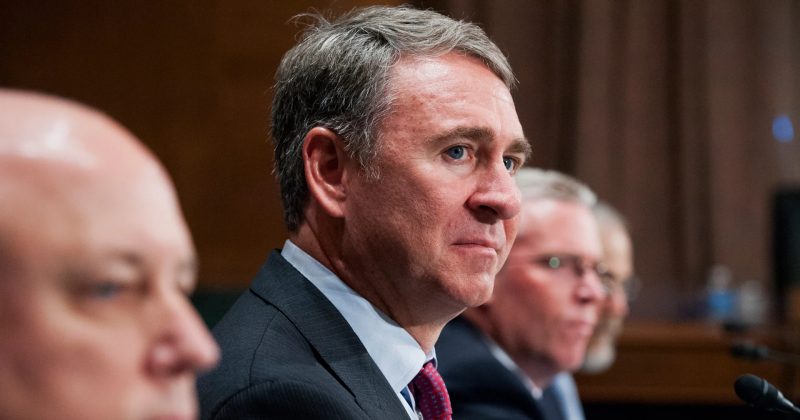
Market Shock Alert: Citadel Securities Predicts Surprise Fed Rate Hike This Week
As the Fed moves to tighten monetary policy, the ripple effects could fundamentally alter future economic forecasts and liquidity in the crypto markets. For traders, this signals a period of heightened uncertainty where sudden shifts in interest rates could dictate the next major trend in global finance.

Coinbase CEO Brian Armstrong Demands Senate Action: The CLARITY Act is at the One-Yard Line
The push for the CLARITY Act comes as the industry seeks much-needed regulatory certainty to foster innovation. By securing this legislative victory, the United States could solidify its global leadership in crypto, providing a stable framework that balances security with the rapid evolution of blockchain technology.

Market Alert: Citadel Predicts Fed Rate Hike, Warning Crypto Investors of Volatility
An unexpected rate hike by the Fed could fundamentally alter liquidity flows by increasing borrowing costs and driving capital toward safer assets. For crypto enthusiasts and institutional investors alike, monitoring these Fed decisions is critical to mitigating risks associated with sudden market shifts and capital flight.

Bitcoin Defies AI Sell-off: All Eyes on the Fed's Next Move
The immediate trajectory of the market now hinges on macroeconomic catalysts, specifically the upcoming Fed decision and inflation data. Investors are closely monitoring big tech earnings reports, as these will serve as the ultimate litmus test for whether the current Bitcoin rally can sustain its momentum or if a trend reversal is imminent.

Regulatory Limbo: US Senate Delays Crypto Clarity Act, Threatening Market Growth
As the bill's future remains uncertain, the lack of a clear legal framework poses a significant risk to long-term stability. Without these much-needed guidelines, the crypto ecosystem faces a period of stagnation, hindering the seamless integration of blockchain technology into mainstream finance.
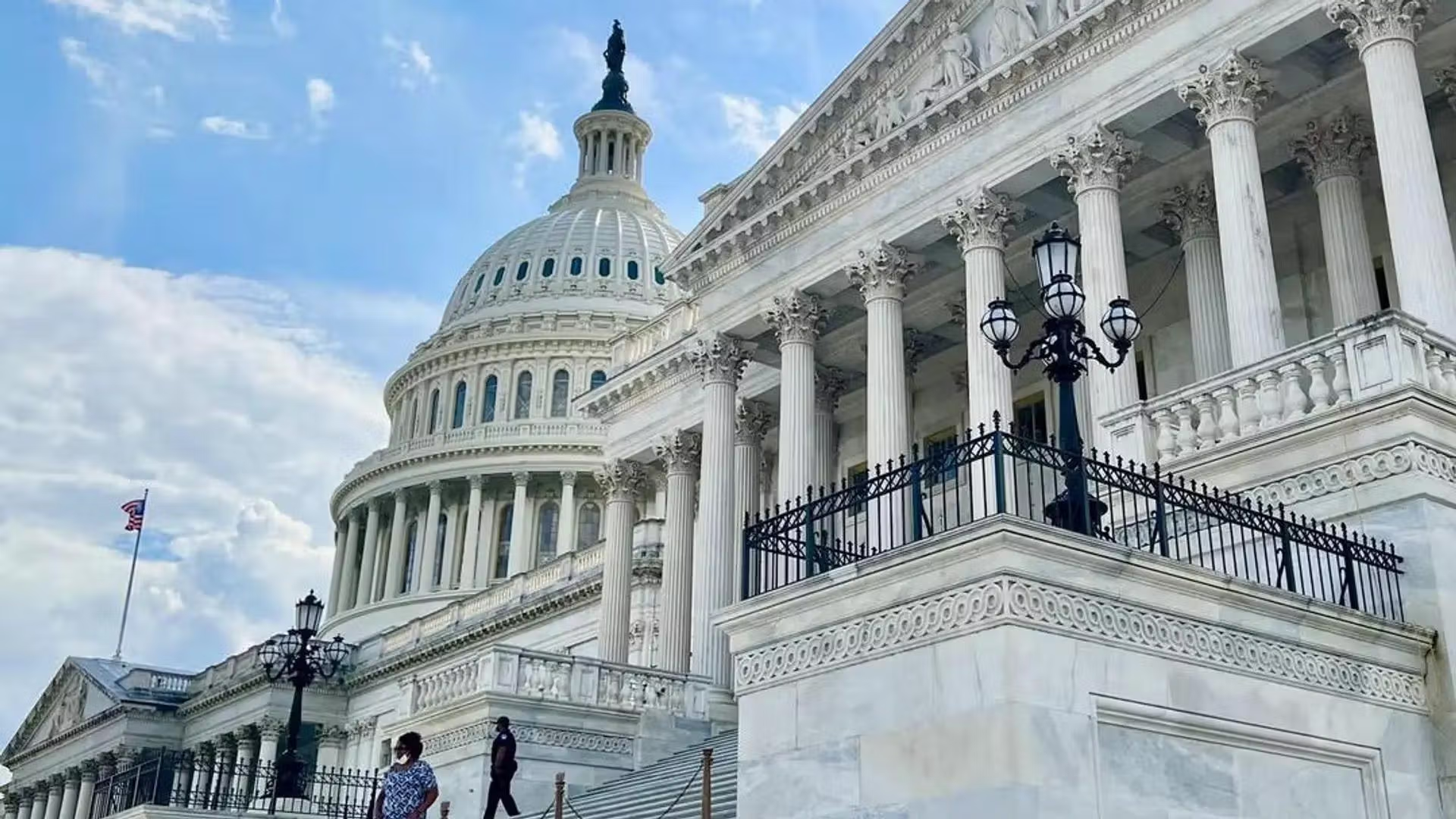
Crypto Regulatory Delay: U.S. Senate Sidelines Clarity Act for Unrelated Bills
This delay underscores the intense competition for floor time in Washington. As lawmakers pivot toward different policy efforts, the absence of a definitive framework for digital assets continues to pose a challenge for institutional adoption and market stability.
