The Trillion-Dollar Question: Why is Crypto Speculation Not Labeled Gambling?

A provocative new analysis is highlighting the massive financial drain occurring in the US, where legal gambling losses are projected to exceed $250 billion by 2026. This surge raises a fundamental question regarding the distinction between high-stakes crypto speculation and traditional gambling.
With gambling losses climbing 67% since the COVID-19 pandemic, the economic landscape is shifting. As investors face extreme volatility, the debate intensifies over whether the crypto market's speculative nature warrants the same regulatory scrutiny and classification applied to the gambling industry.
Americans are on pace to lose more money on legal gambling this year than at any point in the country's history. A new analysis by economics writer Joseph Politano projects that the total will exceed a quarter trillion dollars in 2026. Losses have climbed 67% since the start of COVID-19 and another 8% over the past period.
This trend prompts a critical inquiry: why is massive crypto speculation not viewed through the same lens as gambling? As the lines between high-risk investing and betting continue to blur, the financial implications for the American economy are becoming impossible to ignore.
This is a summarized and adapted version by Artificial Intelligence. To read the complete original story, visit the official source.
Read Full Article at CryptoSlateSupport Jornal Bitcoin
Independent journalism, curated by AI, no clickbait. Keep the flame alive with any amount of BTC.
jonata@walletofsatoshi.comDaily Crypto Brief 📬
Subscribe to receive the curation of the most important Bitcoin and crypto news, summarized by AI. No spam.
Join more than 10,000 smart readers.
Related News
Deadline Missed: CLARITY Act Fails Trump’s July 4 Target, Leaving Only 25 Days to Pass
With the Senate returning on July 13 and a recess looming on August 7, the crypto industry's long-sought market structure bill is racing against the clock. This delay places immense pressure on lawmakers to finalize the framework before the summer break.
Security Breach: 'Ill Bloom' Vulnerability Exploited, $5M Stolen from Crypto Wallets
The impact of the 'Ill Bloom' vulnerability serves as a grim reminder of the ongoing battle between hackers and decentralized finance protocols. To mitigate future financial losses, the industry must prioritize enhanced security measures and more rigorous auditing of wallet software to protect the growing influx of institutional and retail capital.

Bitcoin Hits 2-Week Peak, but Major Market Tests Loom on the Horizon
Looking ahead, the path for BTC is far from clear as major obstacles threaten to derail the current upward trend. Investors must prepare for significant volatility and technical resistance levels that will determine if Bitcoin can sustain this momentum or if a deeper correction is on the cards.
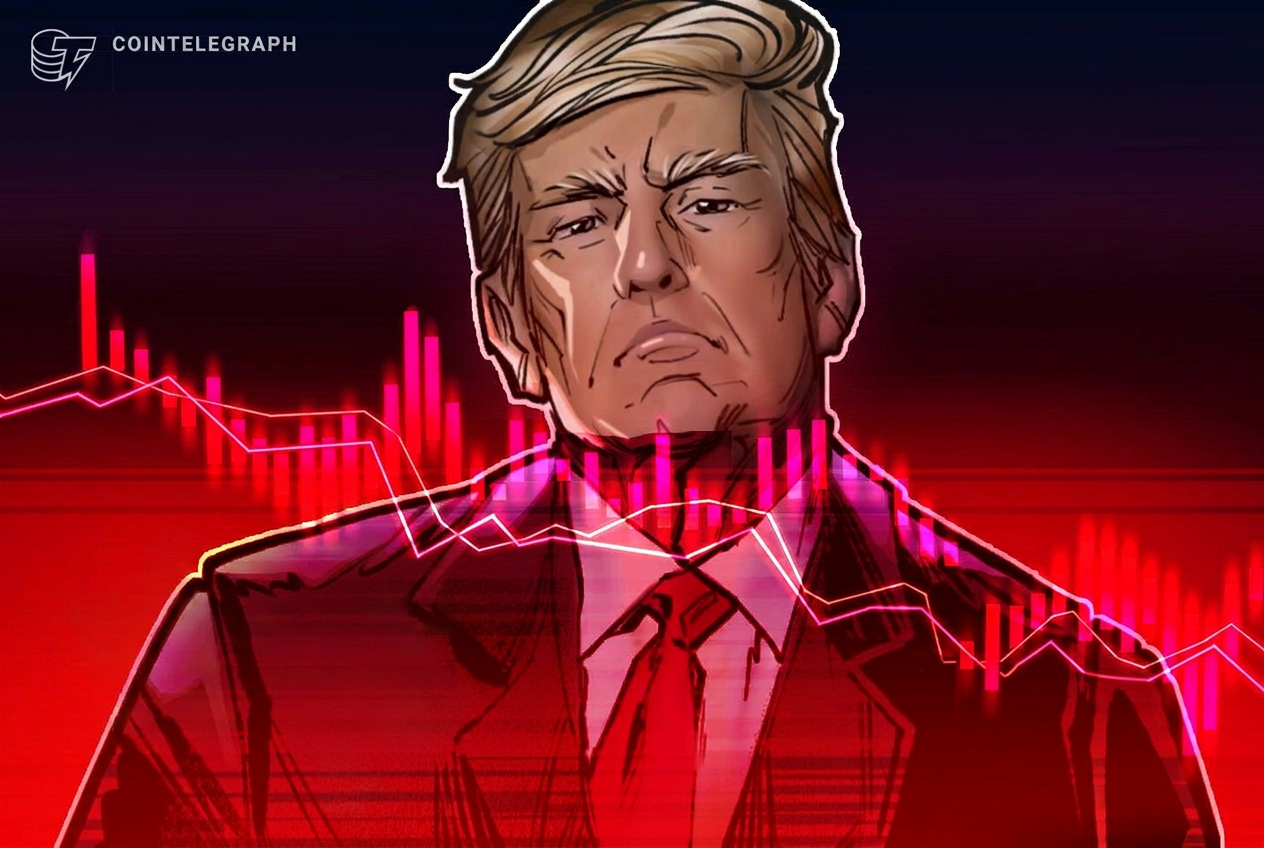
Trump Memecoin Crash: Holders Lose Over $3.8 Billion in Massive Wipeout
Data indicates a stark divide between winners and losers, with two out of every three buyers of the TRUMP token currently in the red. This massive liquidation highlights the extreme volatility and high-risk nature of politically-themed crypto assets, where only a small fraction of wallets managed to secure profits while the masses suffered.

Crypto Scam Alert: Unauthorized Vinicius Jr. Tokens Flood the Market
The surge in these counterfeit tokens underscores a critical gap in current digital asset protections. As unauthorized projects proliferate, the industry faces an urgent demand for comprehensive regulatory frameworks to safeguard athlete intellectual property and restore consumer trust in the decentralized ecosystem.

The Neymar Effect: How the Star's 130th Cap Reinvigorated Sports Fan Tokens
This trend underscores the highly volatile nature of fan tokens, showcasing their capacity for rapid value shifts during major sporting events. As global icons reach historic benchmarks, the intersection of sports fandom and crypto speculation creates unique, high-stakes opportunities for market participants.
