Big Business Takes Sides: How Corporations Are Shaping Bitcoin's BIP-110 Soft Fork Future
Major corporations with significant Bitcoin holdings are strategically positioning themselves regarding BIP-110, a proposed soft fork that could fundamentally alter transaction fee mechanisms. As institutional adoption accelerates, these corporate players are becoming pivotal decision-makers in Bitcoin's governance, potentially wielding more influence than traditional miners in determining the network's future direction.
The BIP-110 proposal, which aims to implement dynamic fee markets through opcode changes, represents a critical juncture in Bitcoin's evolution. Corporate adoption of this soft fork could set precedents for future protocol changes, potentially accelerating or derailing Bitcoin's path toward becoming a mainstream payment network. With billions of dollars in corporate treasuries now denominated in Bitcoin, the outcome of this debate will have far-reaching implications for the entire cryptocurrency ecosystem.
Bitcoin Magazine presents an in-depth analysis of how corporations utilizing Bitcoin are approaching the BIP-110 soft fork proposal. Authored by Allard Peng, this article explores the strategic considerations and potential implications for institutional players as they navigate this significant protocol change. As Bitcoin continues its journey toward mainstream adoption, understanding corporate perspectives on technical upgrades like BIP-110 becomes increasingly crucial for anticipating the network's future development.
This is a summarized and adapted version by Artificial Intelligence. To read the complete original story, visit the official source.
Read Full Article at Bitcoin MagazineSupport Jornal Bitcoin
Independent journalism, curated by AI, no clickbait. Keep the flame alive with any amount of BTC.
jonata@walletofsatoshi.comDaily Crypto Brief 📬
Subscribe to receive the curation of the most important Bitcoin and crypto news, summarized by AI. No spam.
Join more than 10,000 smart readers.
Related News

Saylor Tells BIP-110 Backers to 'Stand Down' as Bitcoin Network Faces Potential Split

Four Unpatched Bugs, 5-Year Quantum Clock, and Miner Standoff Push Bitcoin to Critical Crossroads
Expert Jameson Lopp has identified three urgent priorities for Bitcoin's agenda: consensus cleanup, covenants, and quantum computing preparation. With the mandatory version-bit phase deadline approaching in August if support doesn't reach the minimum threshold, the community faces a critical dilemma. The combination of unresolved bugs, the race against quantum computing time, and division among miners represents one of the most significant structural challenges Bitcoin has faced since its creation, with profound implications for the network's security and decentralization.

Michael Saylor: Bitcoin Has Already Won, Now Must Fight Internal Corruption
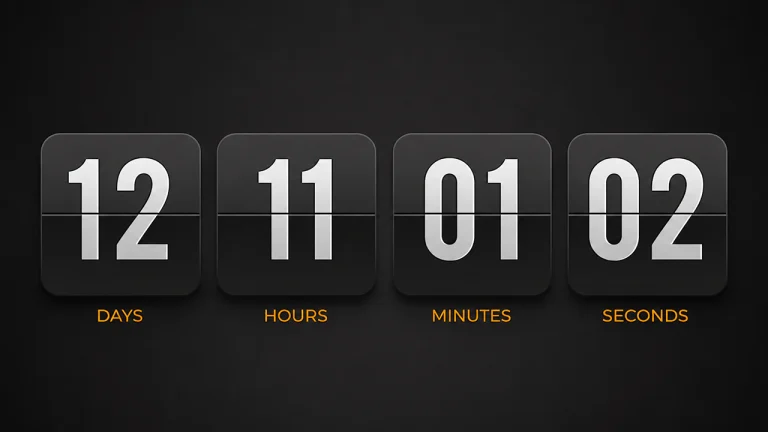
The Clock is Ticking: Bitcoin's BIP-110 Signaling Window Approaches
This gradual climb in miner support suggests a tightening race as the deadline nears. The outcome of this signaling period will be pivotal in determining whether the BIP-110 soft fork gains the necessary traction to move forward, directly impacting Bitcoin's technical evolution and miner consensus.

Sealed in Foil: Why Bitcoin Magazine is Betting Big on Trading Cards
By examining the core principles of scarcity and authenticity, BMAG highlights the striking similarities between Bitcoin and high-value collectibles. The focus remains on how decentralized verification can solve long-standing issues in the trading card industry, ensuring that value is preserved through mathematical certainty.

Bitcoin Governance Alert: Foundry USA Calls for Critical BIP-110 Miner Vote
This low participation rate underscores the complexities of Bitcoin governance and the difficulty of achieving consensus among large-scale mining operations. The outcome of this vote could dictate the speed of technical upgrades and influence how the Bitcoin network evolves to meet future scaling and efficiency demands.
